


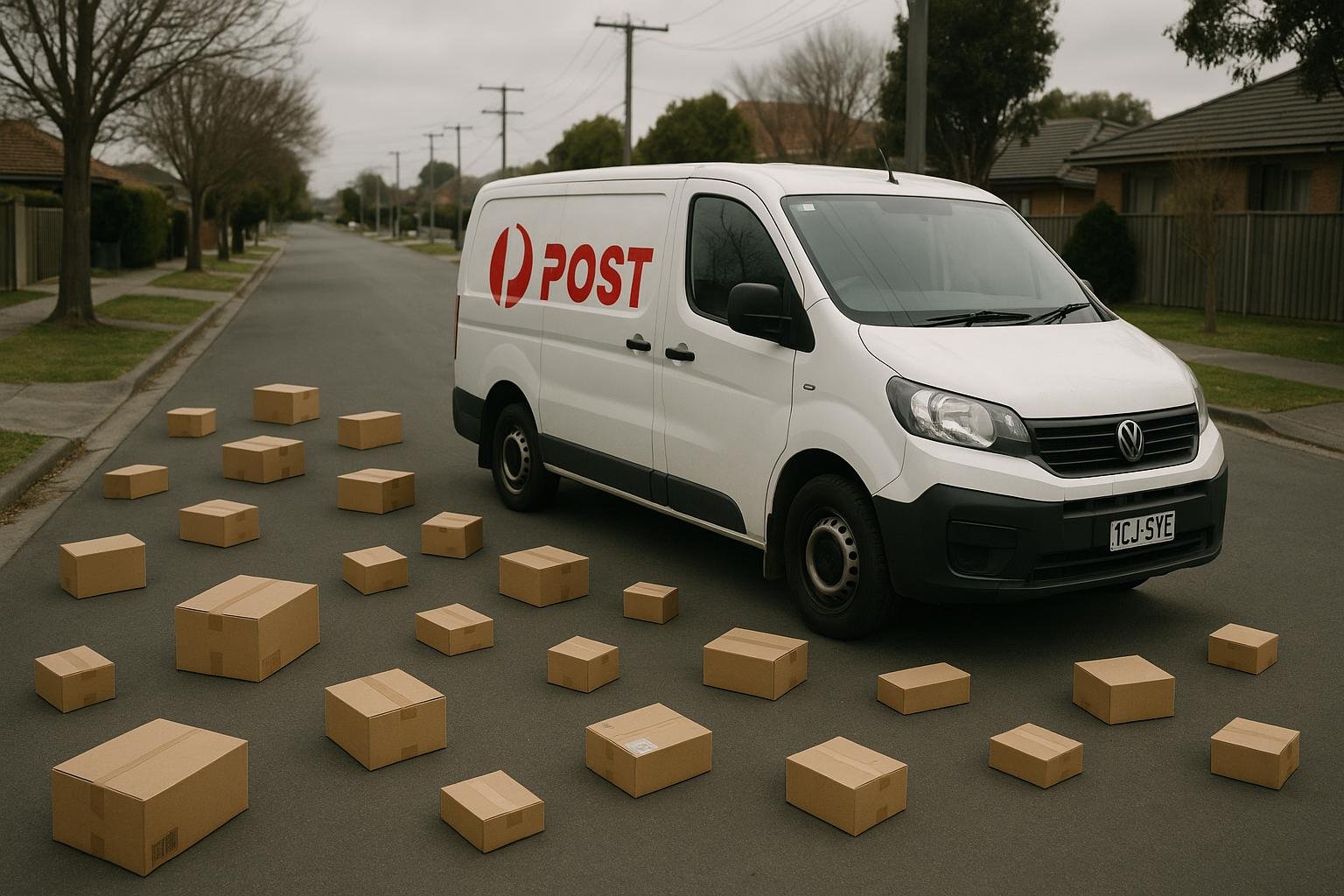
Sendle, a leading small-business courier platform in Australia, has abruptly ceased all operations following its merger with US logistics firms, leaving thousands of merchants scrambling for alternative fulfilment options amid uncertainty.

Specialist small‑business delivery platform Sendle has abruptly halted all pickups and deliveries, leaving thousands of Australian small businesses scrambling to rebook orders and manage customer expectations.
According to In...
Continue Reading This Article
Enjoy this article as well as all of our content, including reports, news, tips and more.
By registering or signing into your SRM Today account, you agree to SRM Today's Terms of Use and consent to the processing of your personal information as described in our Privacy Policy.
The shutdown comes five months after Sendle merged with two US logistics firms under the FAST Group banner, a tie‑up which aimed to expand the business into North America. Industry reporting says the merger, bringing together Sendle, ACI Logistix and FirstMile (also styled FirstMile/ FastMile in some accounts), was intended to create a larger trans‑Pacific parcel distribution platform, but has since been followed by concern about the merged group’s stability. Capital Brief and Yahoo Finance both reported the immediate cancellation of future bookings and advised customers that pickups scheduled for 12 January or later would be cancelled. SupplyChainDive said the Fast Group is now winding down operations, citing a customer notice in which the company said it was adapting to market conditions and stabilising its business.
Sendle began in 2014 as an alternative to Australia Post, marketing itself as a carbon‑neutral, small‑business‑focused courier. The company received significant backing during its expansion: NRMA Insurance, Touch Ventures, Federation Asset Management, Rampersand and King River Capital are among investors reported to have provided capital to the FAST Group. Despite that funding, multiple industry outlets report an abrupt cessation of services that has left active bookings and parcels in transit in uncertain limbo.
The practical fallout has been immediate for merchants. Inside Small Business described how KenzaKo rushed to secure Australia Post satchels and pivot fulfilment to reduce interruption, a move that preserved dispatch continuity but at higher cost. Other reporting from GC Magazine, The New Daily and Australian5 noted widespread frustration among small business owners and online sellers who said they were left without clear information on refunds, recovery of prepaid services, or the status of parcels already collected.
Courier industry figures warned the episode highlights risks of supplier concentration. Vincent Maneno, Co‑Founder of Fast Courier, told Inside Small Business that the shutdown “has left many businesses unexpectedly scrambling to fulfil orders and manage customer expectations,” and said the disturbance exposed why businesses should avoid reliance on a single logistics partner. Independent observers told The New Daily and Yahoo Finance that tight margins, market disruptions and consolidation across last‑mile networks have increased vulnerability to sudden service failures.
Regulatory or governmental responses have not been reported at time of publication, nor has Sendle provided a detailed public roadmap for refunds or parcel recovery beyond the brief customer notices cited by multiple outlets. Some reports encourage affected customers to contact the delivery partners named in Sendle’s communications; others advise merchants to document losses and seek alternative couriers immediately to preserve customer service standards and cashflow.
The abrupt halt by a high‑profile challenger to Australia Post is likely to prompt questions from investors and customers about governance and contingency planning following cross‑border mergers. Industry data and reporting show that when a carrier ceases accepting bookings without phased wind‑down arrangements, the operational and reputational burden shifts quickly to small sellers, who must absorb extra costs or face delayed deliveries.
For now, merchants are diversifying their courier relationships, revising fulfilment plans and pressing for clarity on refunds and in‑transit parcels as the logistics sector watches whether remaining FAST Group entities will stabilise or formally enter administration.
Source: Noah Wire Services
Subscribe to Industry Updates

