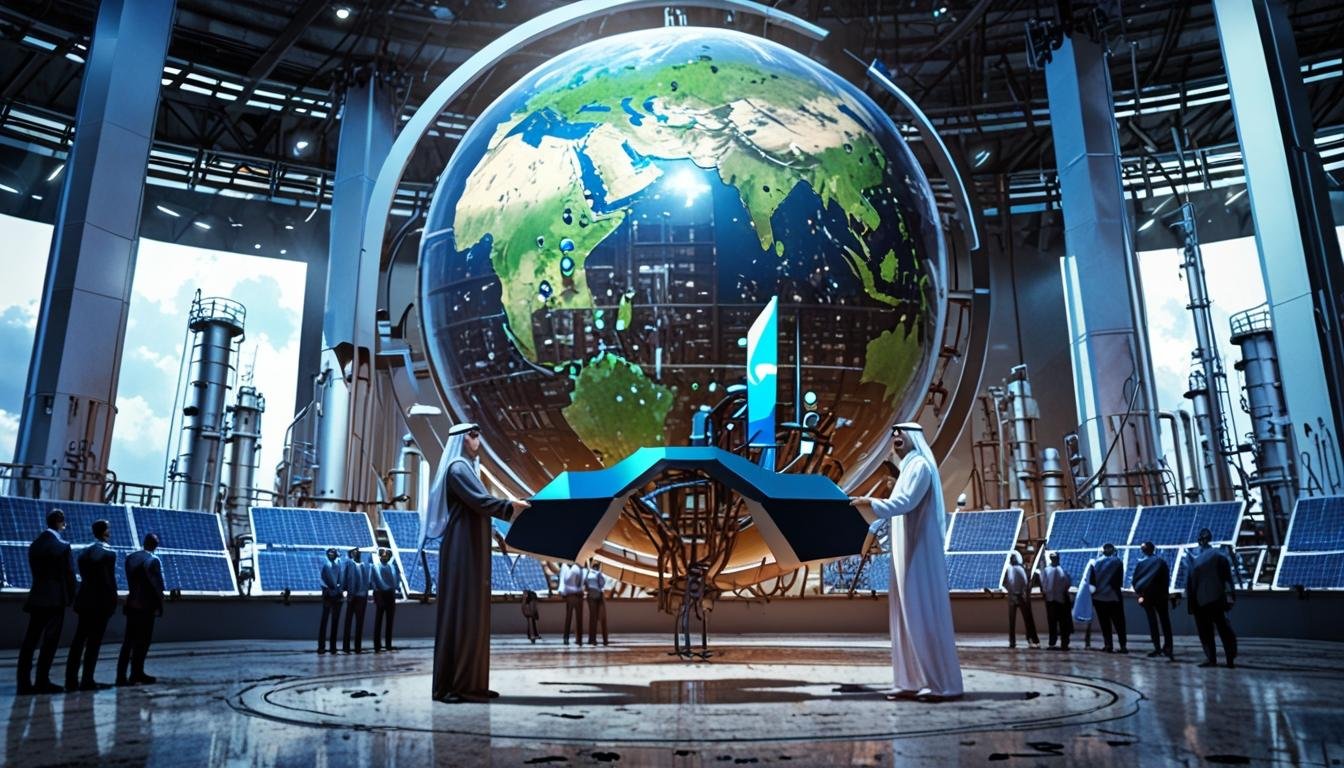
Saudi Aramco, a titan in the global energy sector, has reached a significant milestone with the announcement of 34 Memoranda of Understanding (MoUs) and agreements valued at approximately $90 billion. These partnerships, involving major US companies, are positioned to significantly bolster Aramco’s strategic initiatives, enhancing shareholder value while simultaneously deepening its longstanding relationships with American firms.
The breadth of these agreements spans various sectors, including advanced technologies, environmental innovations, and traditional energy production. From liquefied natural gas (LNG) collaborations with industry leaders like Sempra Infrastructure and NextDecade to technology partnerships aimed at digital transformation with companies such as Amazon Web Services and NVIDIA, Aramco’s commitments reflect its multifaceted approach to both innovation and traditional energy sectors.

Amin H. Nasser, Aramco’s President and CEO, articulated the significance of these initiatives, stating, “Yesterday’s announcements show the breadth and depth of Aramco’s long history of partnerships with US companies since the first discovery of oil in the Kingdom more than 90 years ago.” This historical perspective underscores how Aramco’s operations have evolved, integrating diverse research and development activities alongside traditional oil extraction and refining practices.
The agreements extend beyond mere financial transactions; they represent a concerted effort to accelerate the localisation of technology and industrial capabilities within Saudi Arabia. The collaboration with ExxonMobil to enhance the SAMREF refinery exemplifies how these agreements could lead to substantial upgrades in operational infrastructure, turning existing facilities into world-class integrated petrochemical complexes.
Moreover, the inclusion of technological firms highlights a strategic pivot towards digital and lower-carbon initiatives, aligning with broader global trends toward sustainability and innovation in the energy sector. For instance, the strategic framework agreement with Amazon focuses on fostering digital transformation while reducing carbon emissions—a goal that resonates with the Saudi Vision 2030 initiative aimed at diversifying the economy away from oil dependency.
The investment landscape for LNG is particularly noteworthy. With Saudi Arabia’s $100 billion gas market expanding, the agreements with US LNG producers not only provide Aramco with access to critical energy supplies but also underscore its commitment to playing a vital role in the global energy transition. This strategic alignment with American firms showcases Aramco’s ambition to enhance its foothold in the rapidly evolving energy market.
The company’s focus on collaboration with tech giants like Qualcomm and NVIDIA is also pivotal. By leveraging cutting-edge AI and robust industrial networks, Aramco aims to improve operational efficiencies and embed advanced capabilities within its industrial processes. This shift is crucial, as the integration of AI and IoT technology becomes increasingly essential in the energy sector, fostering real-time data analysis and smarter production methods.
In the fabric of these agreements lies a commitment to nurturing local enterprises and boosting economic diversification within Saudi Arabia. This aligns with the kingdom’s broader initiatives, as the focus on localising goods and services not only solidifies operational resilience but also helps develop a skilled workforce capable of supporting these ambitious projects.
In conclusion, Saudi Aramco’s strategic agreements with US companies signify more than a substantial financial investment; they mark an important step in the kingdom’s journey towards economic diversification and technological advancement. As the global energy landscape continues to shift, these collaborations hold the promise of reinforcing Aramco’s position as a leader in both traditional and emerging energy markets, paving the way for a sustainable future.
Reference Map
- Paragraph 1: Sources [1], [2]
- Paragraph 2: Source [1]
- Paragraph 3: Source [1]
- Paragraph 4: Source [2]
- Paragraph 5: Source [3]
- Paragraph 6: Sources [1], [2], [4]
- Paragraph 7: Source [1]
- Paragraph 8: Source [1]
Source: Noah Wire Services