


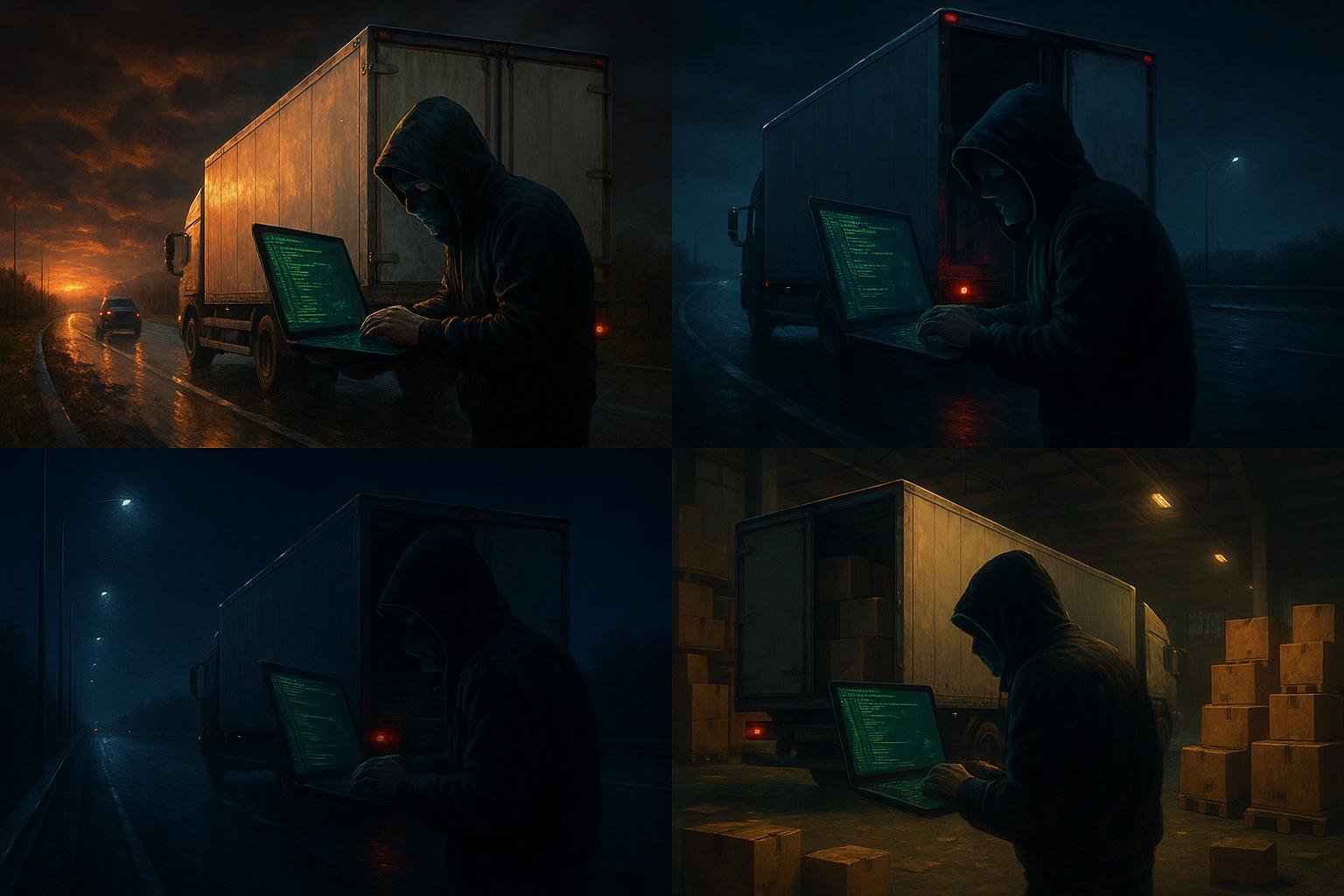
Organised, technology-enabled cargo theft has surged over 1,500% since 2021, transforming from sporadic crime into a systemic, high-stakes threat that impacts global supply chains, prompting calls for enhanced cooperation and resilient defenses.

Cargo and strategic theft has shifted from an intermittent operational nuisance into a systemic, organised threat that now shapes how supply chains are run. What began as opportunistic crime has matured into sophisticated, techn...
Continue Reading This Article
Enjoy this article as well as all of our content, including reports, news, tips and more.
By registering or signing into your SRM Today account, you agree to SRM Today's Terms of Use and consent to the processing of your personal information as described in our Privacy Policy.
Industry analyses show the scale of the problem has ballooned in recent years. According to the Transportation Intermediaries Association, incidents have risen more than 1,500% since 2021, with annual losses estimated to top $35 billion. Independent reporting and sector studies corroborate that trend: CargoNet recorded a record 3,625 thefts across the United States and Canada in 2024, a 27% increase year on year, with the average loss per incident above $200,000. Carrier Management reported similar figures, while the National Insurance Crime Bureau warns that digitalisation has opened new attack surfaces, noting rising use of VoIP, GPS manipulation and synthetic identities. CNBC’s reporting adds that strategic theft , where fraudsters deceive supply-chain partners into relinquishing freight or payments , now accounts for roughly a third of all incidents.
Several forces have combined to create this environment. Global logistics have become faster and more digitally connected, improving efficiency while expanding the avenues available to criminals. Bad actors can now create sham carrier identities in minutes, falsify credentials, spoof load-board postings, and intercept communications without ever using physical force. The result is a higher frequency of thefts that are harder to detect until it is too late.
The consequences extend well beyond the market value of stolen goods. Each theft drives up insurance costs, delays retail deliveries and manufacturing schedules, undermines commercial relationships and damages brand reputations. Recent high-profile cases underline the risk: valuable food shipments and consumer goods have been seized in transit, prompting law enforcement inquiries and wide disruption for downstream buyers and suppliers. Cargo theft’s cumulative effect contributes to higher prices and reduced reliability across the logistics ecosystem.
Because the problem is networked, responses that treat it as an isolated incident are insufficient. Industry experts and associations stress that timely, standardised reporting is fundamental: when suspicious activity is communicated promptly and consistently, patterns emerge, repeat offenders can be tracked and enforcement action becomes possible. Fragmented or delayed reporting, by contrast, lets perpetrators exploit jurisdictional gaps and hop between platforms.
Practical prevention begins inside organisations. Regularly strengthening vetting and onboarding procedures for carriers and brokers is essential; one-off checks no longer suffice where identities and credentials can be rapidly falsified. Ongoing monitoring, multi-factor verification and cross-checks against authoritative databases reduce exposure. Technology plays a role , but it must augment, not replace, experienced human oversight. Training operational teams to recognise warning signs such as sudden changes in contact details, atypical routing requests or pressure to expedite tenders remains a highly effective deterrent.
Even the best defences will sometimes fail, so preparedness is equally important. Firms should maintain clear incident-response plans, established escalation channels and pre-existing relationships with law enforcement to shorten investigation timelines and limit damage. Transparent, timely communication with customers and partners helps preserve trust and enables collaborative problem-solving when disruptions occur.
Policymakers and regulators also face a test of relevance. Many registration systems, verification frameworks and interagency processes were designed for a different era of freight transport and struggle to keep up with fast-moving fraud schemes. The NICB has urged enhancements to verification infrastructure and interagency data-sharing. Industry calls echo that sentiment, advocating for improved data visibility, cross-jurisdictional cooperation and standards that make it harder for criminal networks to operate with impunity.
As theft techniques evolve, so must industry responses. Sustained improvements in oversight, investment in detection technology, tighter vetting practices and deeper collaboration with investigators are all necessary. The companies that treat cargo theft as a strategic, ongoing risk rather than an occasional operational problem will be better placed to protect margins, maintain service levels and safeguard customer confidence.
In the current climate, resilience means more than weathering shocks; it means anticipating likely attacks, limiting their impact and adapting systems and culture to reduce future exposure. Mitigating cargo and strategic theft is therefore an essential component of a modern supply chain strategy, requiring shared responsibility across the private sector and public authorities if the recent rise in losses is to be reversed.
Source: Noah Wire Services
Subscribe to Industry Updates

