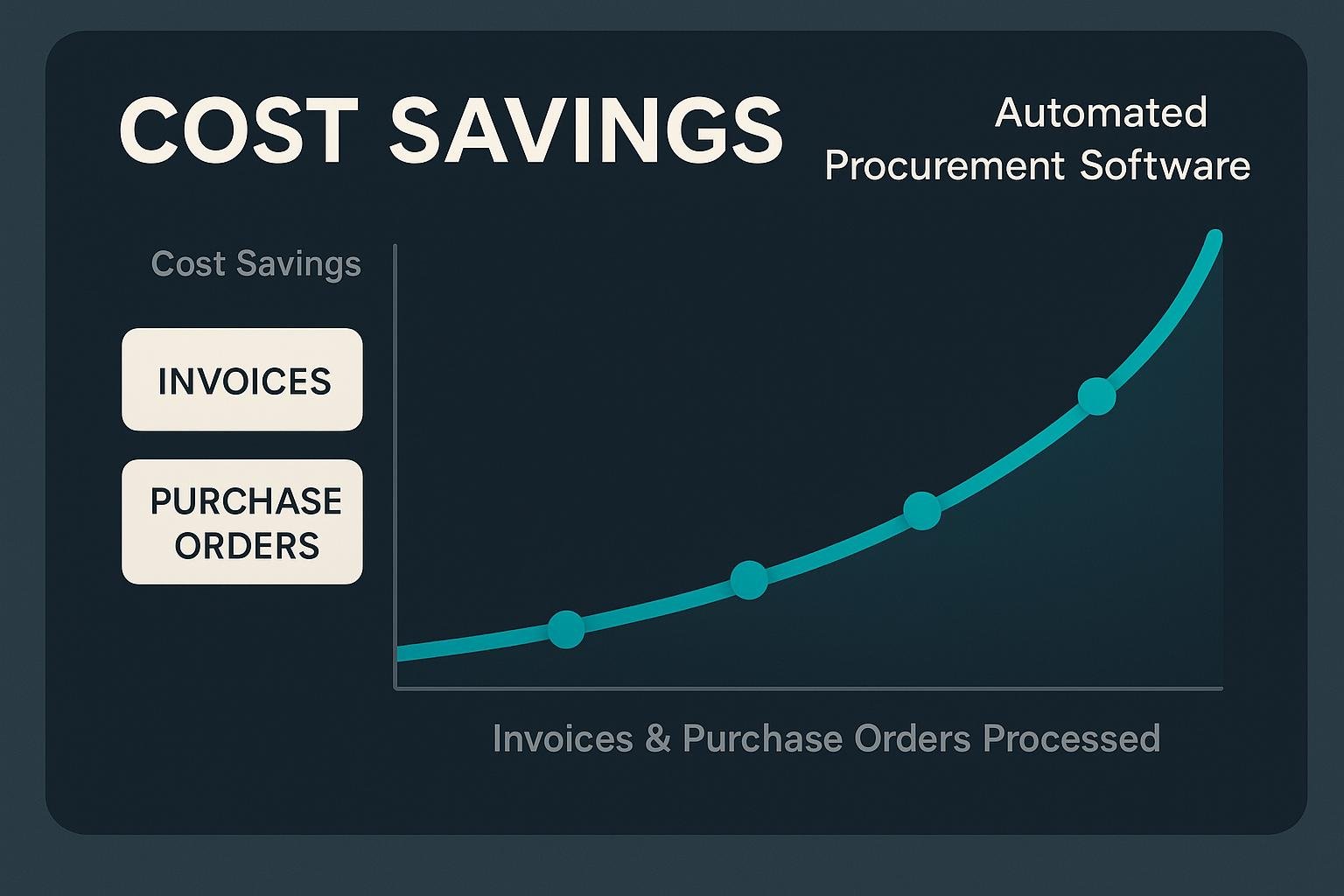
As organisations seek to optimise costs and operational efficiency, the rise of automated procure-to-pay platforms is reshaping procurement strategies with faster processes, enhanced transparency, and stronger supplier engagement, paving the way for smarter, more sustainable purchasing.
Organisations seeking to trim costs and sharpen operations increasingly focus on procurement because purchasing decisions ripple through finance, operations and supplier ecosystems. Manu...
Continue Reading This Article
Enjoy this article as well as all of our content, including reports, news, tips and more.
By registering or signing into your SRM Today account, you agree to SRM Today's Terms of Use and consent to the processing of your personal information as described in our Privacy Policy.
al purchasing remains slow, error-prone and opaque; automating the end-to-end procure-to-pay (P2P) cycle promises faster turnarounds, clearer spending control and stronger supplier partnerships.
Automated P2P platforms replace paperwork and repeated data entry with electronic requisitioning, purchase orders and invoice matching, dramatically shortening cycle times and cutting reconciliation work. Industry vendors note that routing, matching and approval workflows reduce the need for human intervention and free procurement teams to concentrate on sourcing strategy and supplier negotiation. According to A-P Systems, automation accelerates processing, reduces bottlenecks and lowers the incidence of late payments and related penalties.
Greater transparency also brings tighter financial discipline. Real-time budget monitoring and enforced approval limits make it harder for unauthorised or duplicate purchases to slip through. Zycus highlights tools that automate budget creation, provide interactive dashboards and trigger AI-driven alerts when spending threatens to exceed limits, enabling proactive adjustments. Airbase argues that centralised vendor management and standardised approval rules help organisations aggregate demand, pursue volume discounts and prevent off-policy buys.
Visibility across purchase lifecycles improves supplier engagement. Platforms that display order status, invoice processing and payment timing reduce disputes and foster predictability, which in turn supports supplier trust and loyalty. Procurify emphasises that standardised processes and immediate spend visibility help organisations cultivate reliable supplier relationships and identify underperforming vendors for remedial action or replacement.
P2P systems also strengthen control and reduce risk. Many solutions create immutable audit trails for procurement activity, simplify contract oversight and embed policy checks to support regulatory compliance. Proactis describes how linked budget and contract information gives managers the context needed to approve requests responsibly and maintain financial controls. That auditability matters not only for internal governance but for external reporting and regulatory scrutiny.
Looking ahead, vendors say the next phase of P2P will layer advanced analytics, machine learning and wider ESG tracking onto core automation. Suppliers such as Zycus and others are developing predictive alerts and intelligent matching to reduce exceptions further, while procurement teams increasingly demand capabilities to monitor environmental and social impacts across supply chains. That shift reflects growing corporate attention to responsible sourcing and the need to show how purchasing choices affect sustainability goals.
Adoption is not a panacea; integrating P2P software requires attention to change management, data quality and supplier onboarding. Yet for organisations committed to tighter spend control and operational efficiency, the combined benefits, faster cycles, clearer budgets, stronger supplier relationships and improved compliance, make procure-to-pay automation a foundational tool for modern procurement.
Source: Noah Wire Services