


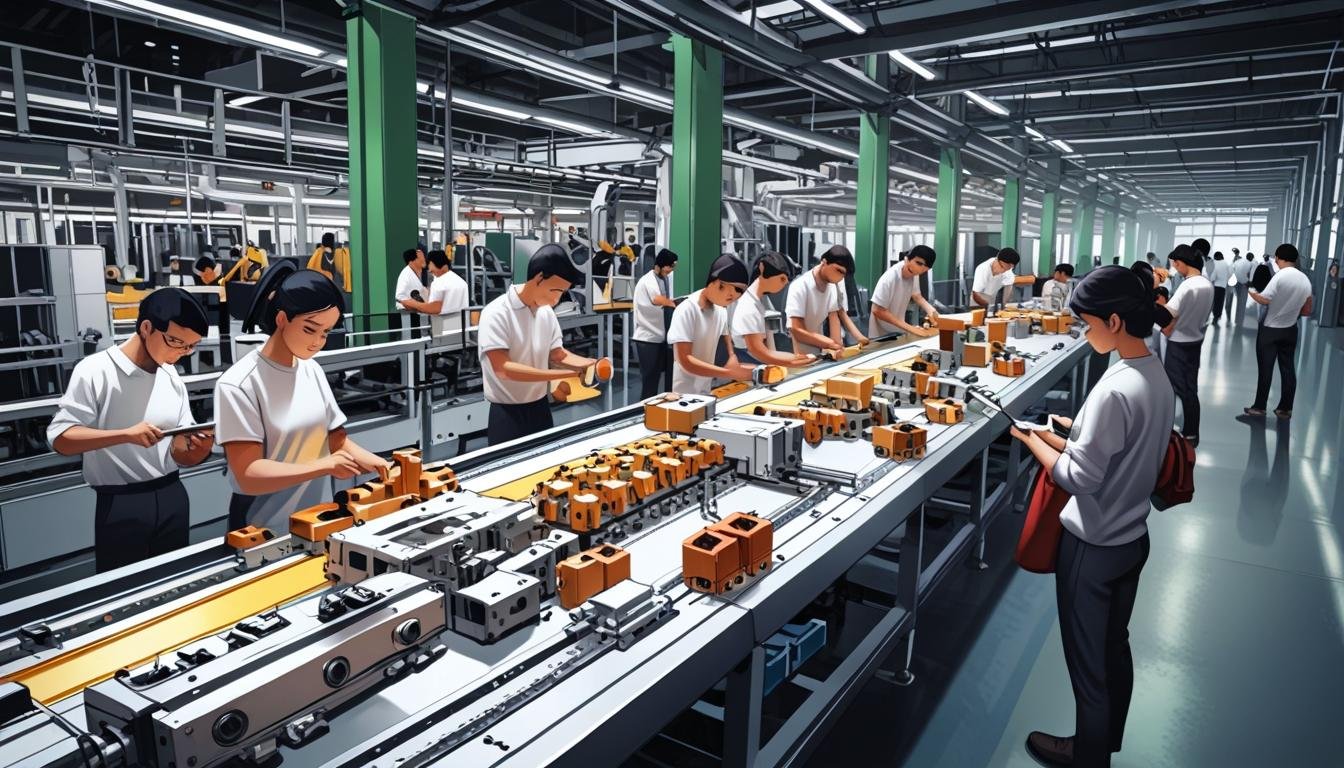
**London**: Joanna Rangarajan of Alvarez & Marsal outlines strategies for retailers to build resilient supply chains by implementing intentional redundancies, optimising production locations, and fostering sustainable partnerships, while addressing the challenges posed by political tensions and market changes.
Joanna Rangarajan, the managing director and partner at Alvarez & Marsal’s Consumer and Retail Group, has highlighted effective strategies for enhancing the resilience and balance of retail supply chains amidst ongoing global disruptions and crises. In a recent discussion, she emphasised that supply chains characterised as “balanced and resilient” are equipped with several essential features that enable them to handle disruptions efficiently.
One primary strategy involves implementing “intentional redundancies,” whereby retailers manufacture key products, particularly those that significantly contribute to profit margins, in multiple locations. Rangarajan underscored the importance of focusing on these so-called “margin movers” to alleviate any risk of a singular failure point in the supply chain. “Quality must remain consistent, regardless of where the products are sourced,” she stated, outlining a crucial consideration for retailers as they diversify their production bases.

Moreover, she pointed out that retailers should target countries that possess specific manufacturing capabilities and technical expertise relevant to the products being produced. “That’s about being fit for purpose,” Rangarajan remarked, indicating that the selection of sourcing locations should hinge not only on current demand but also on the inherent skillsets available in each region.
In addition to optimising production locations, Rangarajan advised retailers to rethink their partnerships within the supply chain. This includes renegotiating contracts with existing suppliers while actively seeking new collaborators. “This should not be transactional,” she insisted, advocating for the development of sustainable partnerships built on mutual innovation and reliability. Such strategies would also enable retailers to relocate some production to countries insulated from steep tariffs, thereby maintaining competitive pricing without compromising on quality.
One notable region that has gained traction for manufacturing closer to U.S. markets is Mexico, often referred to in discussions surrounding “nearshoring.” However, this opportunity is under threat due to political tensions, particularly if former President Donald Trump were to enact a harsh 25% tariff on imports from Mexico.
Regardless of the specific approaches adopted, Rangarajan reiterated the overarching goal: to establish a retail supply chain capable of enduring and swiftly bouncing back from disruptions while adapting to the ever-changing market conditions. “That’s really what this is about,” she concluded, reflecting on the fundamental aspirations of modern retail supply chains.
Source: Noah Wire Services

