


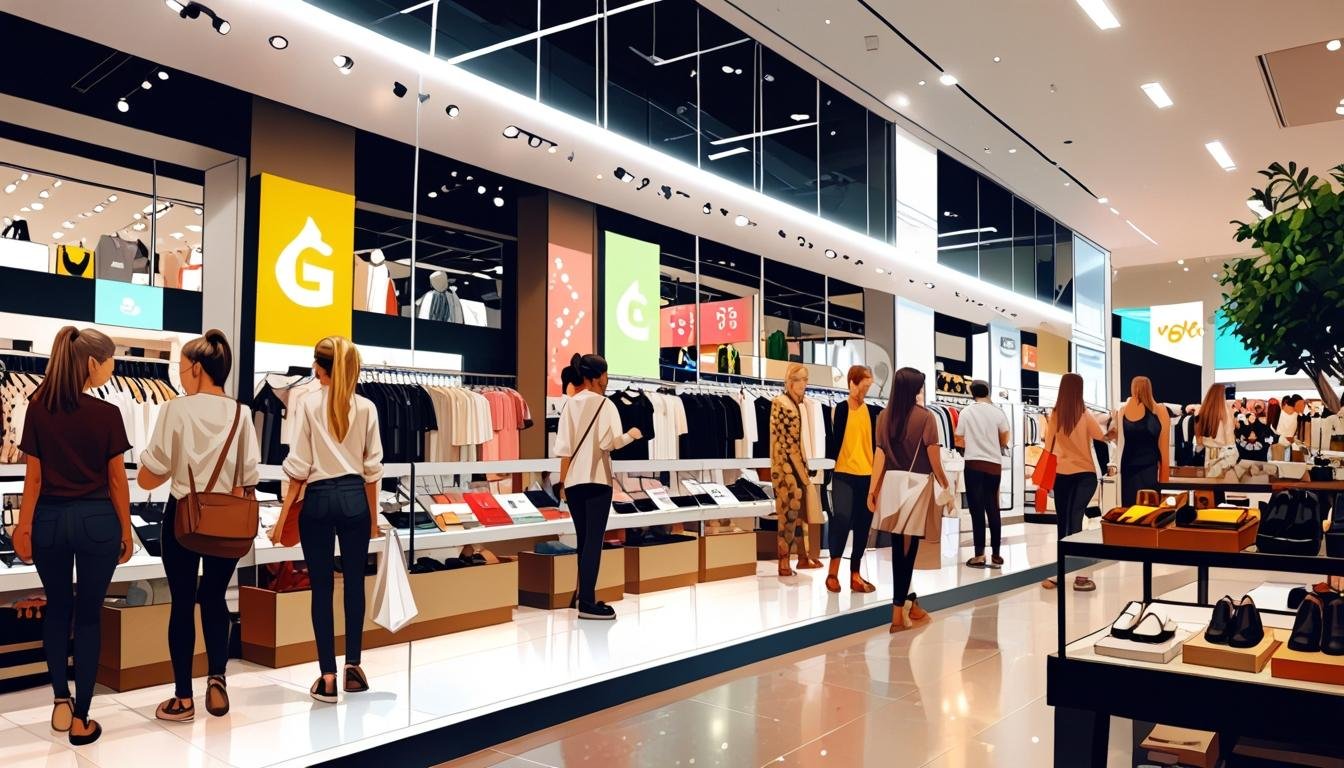
**Australia**: The retail sector confronts ongoing challenges marked by inflation and shifting consumer behaviours, compelling retailers to reassess strategies and focus on value-driven marketing amidst declining confidence and evolving purchasing patterns as they prepare for 2025.
The Australian retail sector has faced significant challenges in the past year, with many retailers expressing a keen desire to move beyond 2024. The persistent issues of high inflation, elevated interest rates, and a broad cost-of-living crisis have severely affected consumer sentiment, leading to the lowest levels of confidence in 45 years. According to the Australian Retail Outlook for 2025, reported by Inside Retail, these factors have culminated in weak year-on-year retail sales growth across the nation.
The prevailing atmosphere has prompted retailers to reassess their strategies and approaches in response to evolving consumer behaviour. Insights from industry leaders at notable companies such as Adore Beauty, T2, Coco Republic, Jeanswest, and 2XU reveal a marked shift in focus from traditional discounting to highlighting product value. Anne Natale, executive general manager of Jeanswest, remarked that the “old-school apparel retail mindset of dropping a campaign or a promotion every month” is no longer effective. Natale emphasised the necessity for retailers to communicate a product’s value proposition rather than merely its price, underlining the importance of thoughtful marketing strategies.

Tom Leak, global general manager for retail at Coco Republic, shared similar sentiments, cautioning against the hazards of engaging in a continuous cycle of discounting, which he termed “promotional schizophrenia.” He highlighted the need to enhance customer experiences rather than simply resorting to price reductions. The furniture retailer, for instance, aims to distinguish itself by emphasising its interior design services and providing a bespoke delivery experience for customers.
Changes in consumer purchasing patterns have also been observed. Elise Tassigiannakis, global head of retail for T2, and Nicola Clement, former CXO for Adore Beauty, noted that customers are now making smaller purchases more frequently, with a growing tendency for cart abandonment. Clement acknowledged a trend of customers buying less often, but when they do purchase, they tend to buy more items at once. This shift necessitates that retailers enhance their customer journeys and engagement strategies to retain and attract consumers.
In adapting to the current market dynamics, retailers are investing considerable effort into improving brand messaging and customer experiences. For T2, this has meant redesigning retail processes and conducting customer interviews to align better with expectations. Adore Beauty, led by Clement, is concentrating on elevating brand preference and leveraging customer loyalty through educational initiatives and engagement.
As the retail landscape evolves, seamless commerce is becoming increasingly essential. While it presents opportunities, it also introduces challenges, particularly in providing a cohesive customer experience. Clement pointed out the importance of maintaining effective communication through various channels to meet customer expectations for service speed and quality.
Social media is also a critical area of focus, with an uptick in the number of retailers identifying platforms like TikTok as effective for engagement. Yet, engagement does not always translate into sales, as observed by Clement who emphasized the need to connect social media traffic with subsequent channels that facilitate purchases. Retailers are recognising the role of social media as a platform for community building and product awareness rather than solely a direct sales tool.
Moreover, the article discusses the pressing need for retailers to assess their technology capabilities. Legacy systems are often underperforming, leading to inefficiencies and unnecessary costs. Both Clement and Natale highlighted challenges caused by systems that do not integrate well, leading to operational burdens. According to Peter Marczenko, KPMG’s mid-market retail and consumer lead, aligning technology with operational priorities is crucial for success in today’s retail environment.
Across the board, retail leaders agree on the heightened expectations of customers regarding quality, convenience, and sustainability. As the sector braces for continued shifts in the economic landscape heading into 2025, retailers are compelled to navigate these challenges collaboratively, focusing on delivering value and enhancing customer experiences to remain competitive. The insights gathered suggest a collective understanding within the industry that a strategic overhaul in approach is essential to meet the increasingly discerning demands of today’s consumer.
Source: Noah Wire Services

