


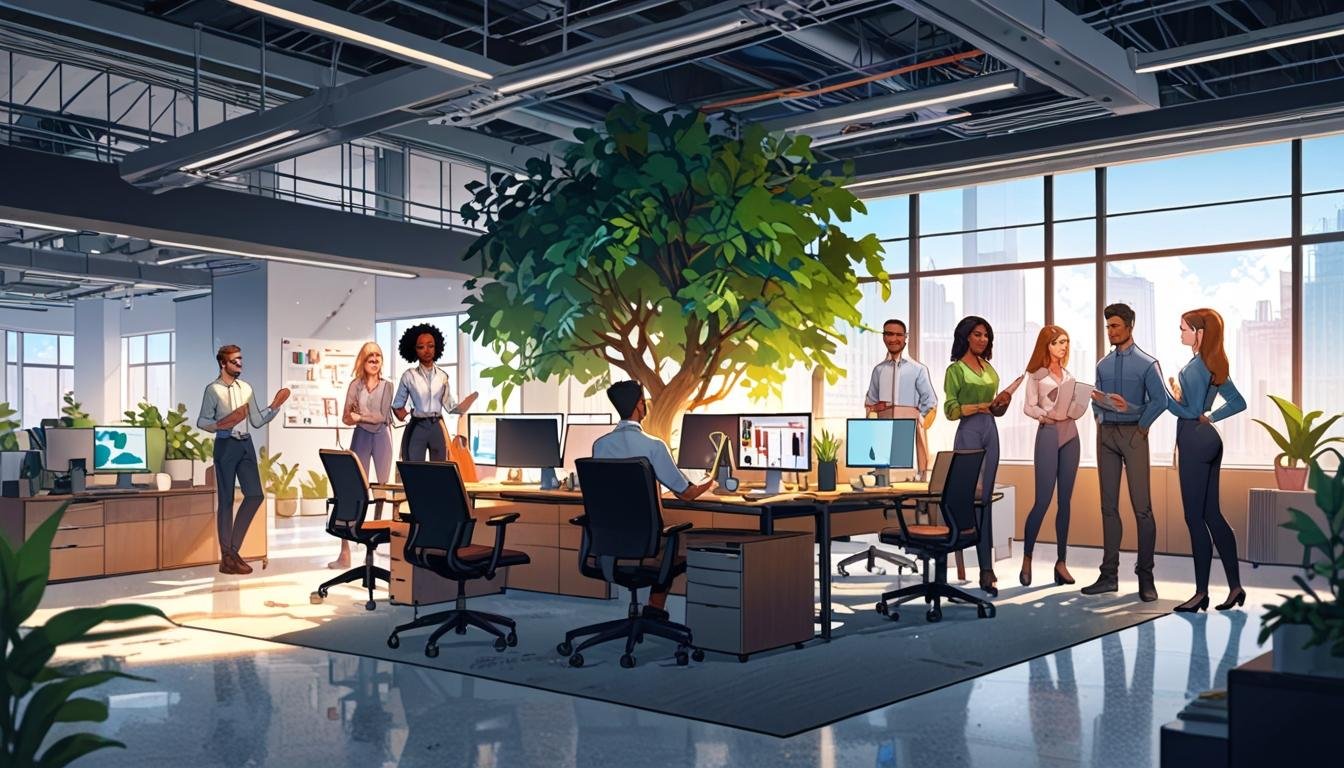
**London**: As global economic growth slows and demographic shifts occur, organisations are urged to adapt their workplace strategies. This includes fostering employee engagement, shifting to a skills-based approach, and nurturing strong leadership to address a transforming work landscape marked by new expectations and challenges.
Recent developments in the global economy have prompted significant discussions around the future of work, as the world experiences its slowest growth in three decades, exacerbated by various factors including supply chain issues, climate risks, and geopolitical conflicts. These challenges pose a threat to security and stability, fundamentally altering the landscape for employers and employees alike.
Over the next two decades, it is anticipated that the global population will increase by approximately 20%. This growth will occur concurrently with an ageing workforce and a diminishing pool of skilled labour. Amidst these demographic changes, organisations are now prioritising the management of environmental and social issues to enhance corporate engagement and employee retention, key components for sustainable growth.

The shift in workplace dynamics is noticeable; the employer-employee relationship is evolving as employees seek greater flexibility, enhanced well-being, and mental health support. There is a growing expectation for organisations to adapt to these changing work habits by fostering a strong and supportive culture while remaining responsive to immediate needs. As companies navigate this new terrain, leaders are called upon to reimagine traditional roles and practices to achieve long-term success through talent engagement, retention, and recognition.
In this context, the emphasis on a skills-based approach is gaining momentum. This strategy advocates for the evaluation of talents over degrees or job titles, allowing organisations to tap into diverse and qualified candidates while also providing employees with growth opportunities. However, this shift may prove challenging, as many organisations are accustomed to conventional methods of assessing skills, which can result in discrepancies during onboarding and coaching processes.
Another strategy being adopted is encouraging internal mobility, where individuals are empowered to reskill and explore various roles within the organisation. This approach aligns with the increasing trend of job hopping among younger professionals and necessitates a cultural shift towards continuous learning, mentoring, and open feedback. As businesses face a rapidly changing market, fostering a resilient and adaptable workforce becomes essential.
Leadership styles are also adapting in response to these transformative changes. To manage this shift effectively, leaders must cultivate compassion and resilience, taking into consideration the preferences of employees at all levels. Key practices include fostering flexibility and autonomy, as well as ensuring transparent communication that aligns individual roles with organisational goals. A psychological environment that promotes safety, empathy, and openness is crucial for this evolution, necessitating that leaders abandon outdated models in favour of innovative methods to navigate future disruptions.
Executives are confronted with the dual challenge of addressing global socio-economic changes whilst integrating advancements in artificial intelligence (AI) and managing skill shortages resulting from the recent phenomenon termed the “Great Resignation.” They are also tasked with upholding their organisation’s reputation as employee expectations evolve, and global geopolitical issues come to the forefront. Research indicates that employees tend to exhibit higher motivation and loyalty towards socially responsible employers, underscoring the strategic importance of eco-responsibility alongside moral imperatives. Furthermore, the growing emphasis on embracing diversity, including neurodiversity, adds complexity to the corporate landscape.
The role of human resources (HR) becomes pivotal during this transition. HR strategies must align with the evolving culture of the organisation, advocating for employee needs and nurturing leadership capabilities. The ultimate goal of HR in this shifting business environment is to ensure resilience and adaptability, aligning ethical standards with business objectives.
Companies that foster a strong organisational culture and adopt a people-centred approach are likely to thrive in this evolving landscape. As organisations confront the unpredictability of the future of work, developing effective leaders capable of managing these transformations is essential for navigating an ever-changing world. Ludmilla Manson, a development and career coach with extensive experience in human resources, change management, and organisational development, emphasises the importance of these strategies in preparing for the future challenges that lie ahead.
Source: Noah Wire Services

