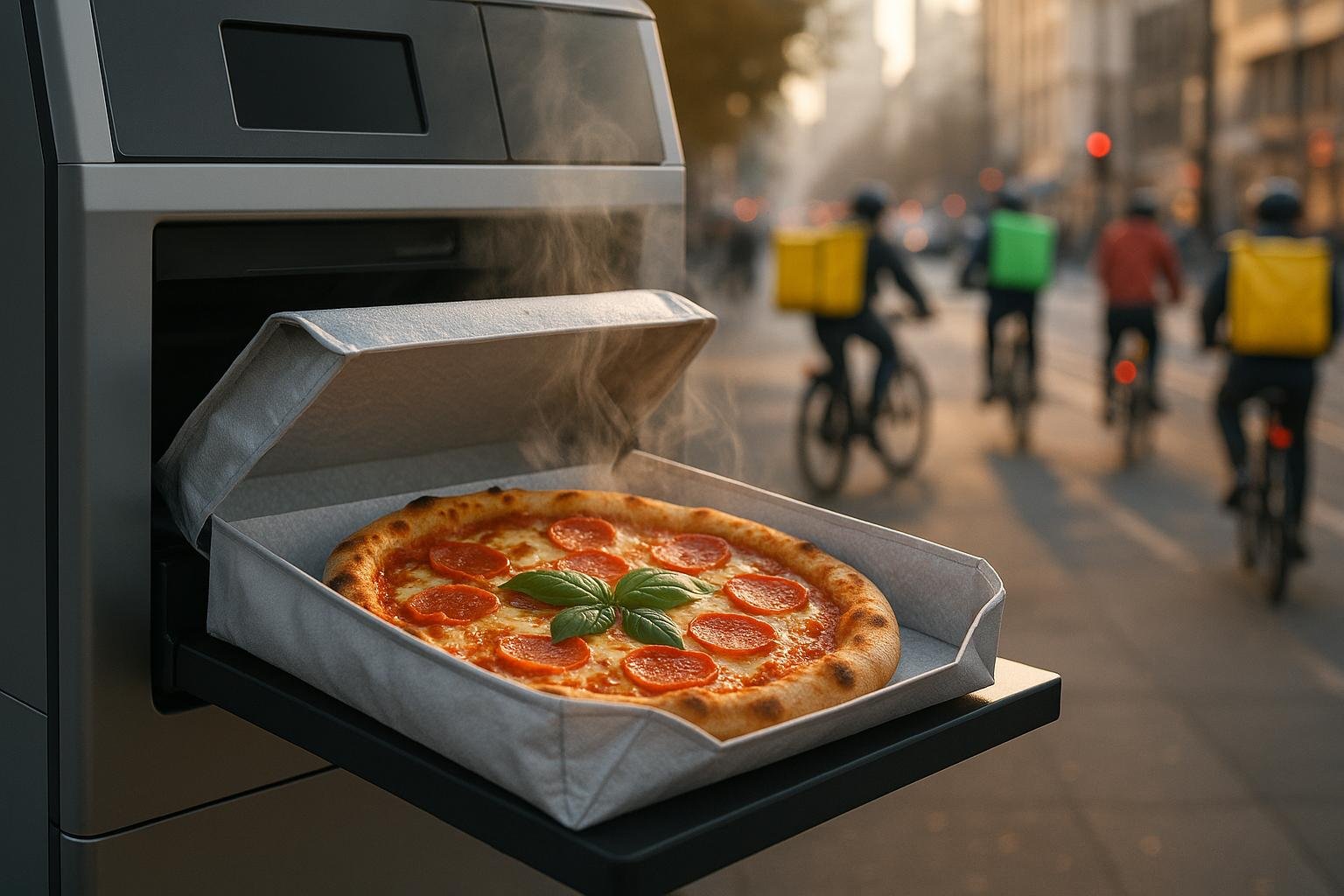
Traditional retailers and regional operators are harnessing digital platforms, real-time logistics, and AI-driven solutions to redefine same‑day food delivery, offering consumers fresher, faster, and more personalised options amid a rapidly evolving ecosystem.

According to the report by SecZine, same‑day food delivery is undergoing a rapid transformation as traditional retailers, regional curators and AI‑powered meal‑kit businesses combine digital platforms, rea...
Continue Reading This Article
Enjoy this article as well as all of our content, including reports, news, tips and more.
By registering or signing into your SRM Today account, you agree to SRM Today's Terms of Use and consent to the processing of your personal information as described in our Privacy Policy.
London retailer Fortnum & Mason has moved beyond occasional online hampers to digitally extend its food offer. SecZine describes a “Fresh Food” catalogue handling perishable items during weekdays with temperature‑controlled couriers to protect product quality. Earlier coverage by the Evening Standard and Retail Gazette adds that Fortnum & Mason also entered the on‑demand market through a partnership with rapid delivery app Zapp in March 2025, enabling round‑the‑clock fulfilment of luxury groceries and hampers in central London. According to those reports, the Zapp tie‑up represents the retailer’s first persistent venture into minute‑level delivery, complementing the catalogue’s scheduled fresh‑goods shipments.
The technical backbone for these services increasingly rests on synchronised stock data and cold‑chain logistics. SecZine notes that linking live inventory with temperature‑controlled couriers improves accuracy and helps preserve perishable goods in transit. Retail industry analysis shows that such integrations reduce out‑of‑stock disappointments for online shoppers and limit waste in kitchens and supply chains.
Smaller regional operators are applying similar principles with a strong focus on provenance. We Love Local in New Zealand curates gift boxes of cheeses, cured meats and produce sourced from local farms and artisanal makers and offers nationwide shipping alongside a same‑day option for customers in Wellington, Kāpiti and Wairarapa. According to the company’s website and contact information, partnerships with local couriers and route‑optimisation tools allow perishable items to be delivered at peak freshness while reinforcing traceability and support for local suppliers.
Event and catering firms are also digitising to capture demand for rapid, reliable food delivery. Manaaki Management Ltd, operator of the Wharewaka Function Centre, has launched an online menu system that supports both on‑site events and off‑premises catering, integrating order flows with kitchen operations and giving clients live status updates. Operators report that such systems can reduce waste, shorten lead times and clarify expectations for customers and staff.
On the platform side, Deliveroo has been experimenting with aggressive discounting to draw price‑sensitive diners during quieter hours. SecZine reports that these deep discounts feed machine‑learning demand‑forecast models, helping the company refine pricing, allocate courier capacity and personalise future promotions based on observed ordering patterns. Industry data show that using promotions to fill low‑utilisation windows can improve courier utilisation, though it also pressures restaurant margins and risks conditioning customers to expect lower prices.
Beyond delivery logistics, meal‑kit providers are shifting from boxed recipes to broader food‑service propositions. According to SecZine, firms now combine ready‑to‑cook kits, fully prepared meals, subscription plans and nutrition‑tracking features. Machine‑learning algorithms generate tailored recipe suggestions, adjust portions and in some cases interface with smart appliances to streamline meal preparation. The result is a blending of subscription economics with personalised nutrition, appealing to consumers who want convenience without sacrificing dietary goals.
The cumulative effect is a more fragmented but technologically cohesive food‑delivery ecosystem. SecZine argues that success now depends on API‑enabled logistics, AI forecasting and transparent provenance tools; reporting from the Evening Standard and Retail Gazette suggests heritage brands are willing to adopt rapid‑delivery partners to meet on‑demand expectations. For consumers, the outcome is a wider choice of faster, more traceable and often more customised options; for suppliers and platforms, the challenge is to scale those promises profitably while maintaining product quality and local relationships.
Source: Noah Wire Services
Subscribe to Industry Updates