


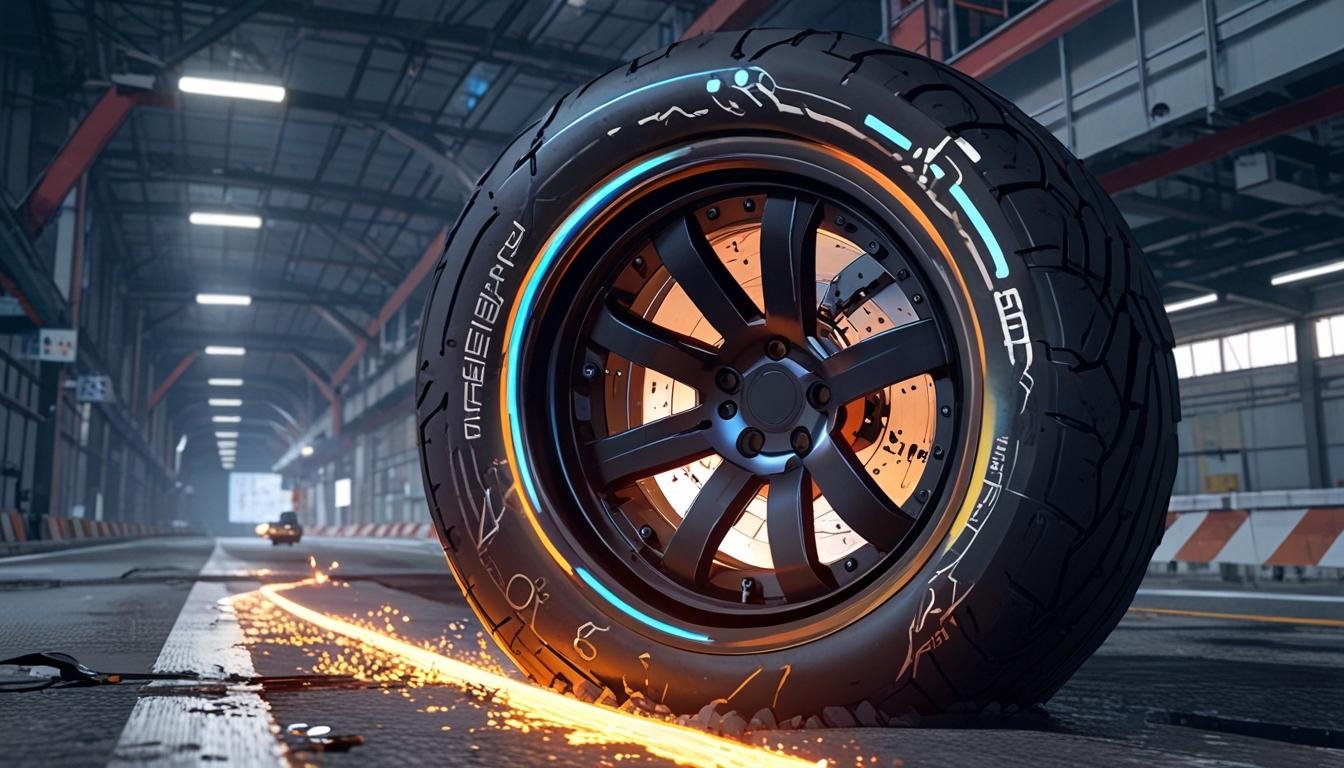
**Italy**: Pirelli is at a critical juncture as it balances innovative tyre technology with the complexities of Chinese investment, particularly amidst heightened scrutiny and regulatory pressures. A key board meeting on 26 March may determine the future alignment of the company with Italian interests versus broader political aims.
A significant episode in industrial policy is currently unfolding in Italy, highlighting the extensive commercial interests that intertwine the nation with Europe, the United States, and China. Central to this scenario is Pirelli, a prominent tyre manufacturer that has invested heavily over the past two decades to develop intelligent tyre technology, blending traditional materials with modern software capabilities.
Pirelli’s innovation involves equipping tyres with sensors and algorithms that relay critical information about road conditions directly to a vehicle’s control unit. This integration of data allows for safer driving experiences and the prevention of various potential road hazards. However, this technological advancement may face commercial limitations, particularly as nearly half of the company’s high-end tyre sales occur in the United States. Since the Biden administration, American regulations have imposed constraints on Chinese technologies, a trend that was initiated under the previous Trump administration.

Notably, a Chinese partner, holding a 37% stake in Pirelli, has been part of the company since the last decade. This partnership has raised concerns in Italy, especially as it emerged that the Chinese investor might be influenced by the Chinese government, prompting the application of Italy’s “Golden Power” laws aimed at limiting the powers of foreign advisers from Beijing.
Despite these measures, the underlying issues remain unresolved. Pirelli’s unique technological capabilities are at risk of losing access to the world’s largest and wealthiest market. A crucial board meeting is scheduled for 26 March, where stakeholders will witness whether the Chinese investors will opt to pursue profit-driven strategies that align with Italian interests, or channel their investments into broader political objectives.
The Chinese partner stands at a crossroads: it can either maintain its current governance and ownership structure at the cost of potential value destruction, or it could consider a reduction of its control over the Italian firm, thereby enabling the company to navigate its commercial landscape more effectively.
The outcomes of Pirelli’s deliberations may serve as a touchstone for the wider Italian industrial system, revealing the true intentions behind Chinese investments in the country. Observers express concern that the ambitious Belt and Road Initiative could devolve into a more troubling scenario without careful management and strategic foresight.
Source: Noah Wire Services

