


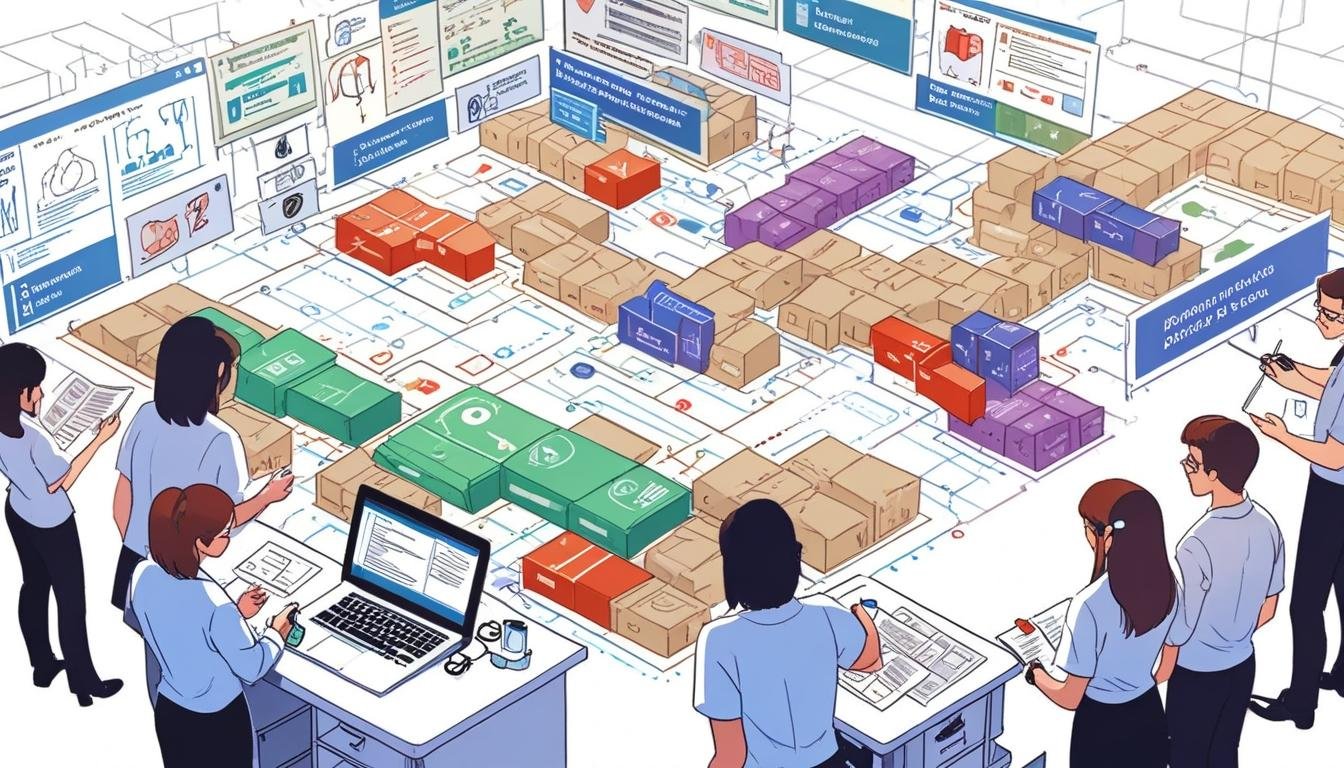
The pharmaceutical industry faces a labyrinth of challenges as drug manufacturers and specialty distributors strive to build and maintain effective partnerships. Key hurdles include profitability negotiations, supply chain volatility, regulatory complexities, and competitive pressures. Natalie Bedford, senior vice president of US pharmaceutical distribution services at McKesson, underscores these issues as foundational to successful collaboration.
Negotiations often present the most visible challenge; it is vital for both parties to reach a balance that ensures profitability without compromising access for downstream customers. Bedford argues that if a satisfactory equilibrium cannot be struck, strategic partnerships become increasingly strained, inhibiting long-term success. Understanding that negotiations are more than mere financial transactions, parties must consciously align their goals to facilitate a shared purpose focused on patient access.

Compounding the negotiation process is the volatile nature of drug supply chains. Disruptions such as drug shortages, customer complaints, and regulatory shifts create additional layers of complexity. Effective partnerships require proactive strategies from both manufacturers and distributors to navigate these fluctuations, ensuring that patients receive essential medications without interruption. Beyond addressing immediate supply chain issues, a systematic approach to supply chain management is critical. Experts recommend that companies develop robust tracking systems and flexible logistics frameworks to adapt to these challenges swiftly.
In a heavily regulated industry, navigating compliance is another paramount concern. The landscape is increasingly intricate, with myriad regulations governing everything from product quality to distribution processes. Bedford points out that understanding mutual goals is essential, allowing partners to formulate compliant strategies that are both efficient and yield positive outcomes for patient access. As regulatory requirements evolve, drug companies must invest in training skilled personnel who can adeptly handle compliance demands—as highlighted by industry analysts. This investment is crucial for maintaining quality standards while minimizing operational disruptions.
Moreover, the competitive pressures arising from new therapies and emerging competitors intensify the necessity for strategic agility. As the market landscape transforms, companies must avoid a reactionary stance. Instead, they should focus on forward-thinking strategies that anticipate changes and position partnerships for ongoing success. This proactive approach highlights the importance of collaboration; it’s not enough to react to shifts in the market. A strong partnership is predicated on shared foresight and planning.
The complexities of pharmaceutical distribution are further complicated in developing countries, where distributors often contend with limited logistics networks, financial constraints, and a dependence on a narrow supplier base. Such conditions necessitate a strong emphasis on systematic approaches to enhance supply chain resilience and efficiency. Furthermore, addressing affordability and accessibility remains critical, as inadequacies in these areas can leave vulnerable populations without essential medicines.
In an era where technological advancements are driving rapid change, both manufacturers and distributors must adapt. Implementing advanced solutions such as data-driven strategies and predictive analytics can facilitate better decision-making processes and improved visibility across the supply chain. Establishing these technological frameworks can also help mitigate risks associated with supply chain volatility, ensuring compliance while preserving product integrity.
Ultimately, successful partnerships in the pharmaceuticals sector hinge on a thorough understanding of these multifaceted challenges. It requires a commitment to collaboration, transparency, and innovation. By fostering a culture of shared responsibility and mutual problem-solving, drug manufacturers and specialty distributors can navigate the intricate landscape of pharmaceutical distribution, ensuring that vital medicines reach those in need efficiently and effectively.
Reference Map
- Paragraph 1: (1)
- Paragraph 2: (1), (2)
- Paragraph 3: (1), (4), (6)
- Paragraph 4: (1), (3), (7)
- Paragraph 5: (1), (5)
- Paragraph 6: (2), (3)
- Paragraph 7: (4), (6)
Source: Noah Wire Services

