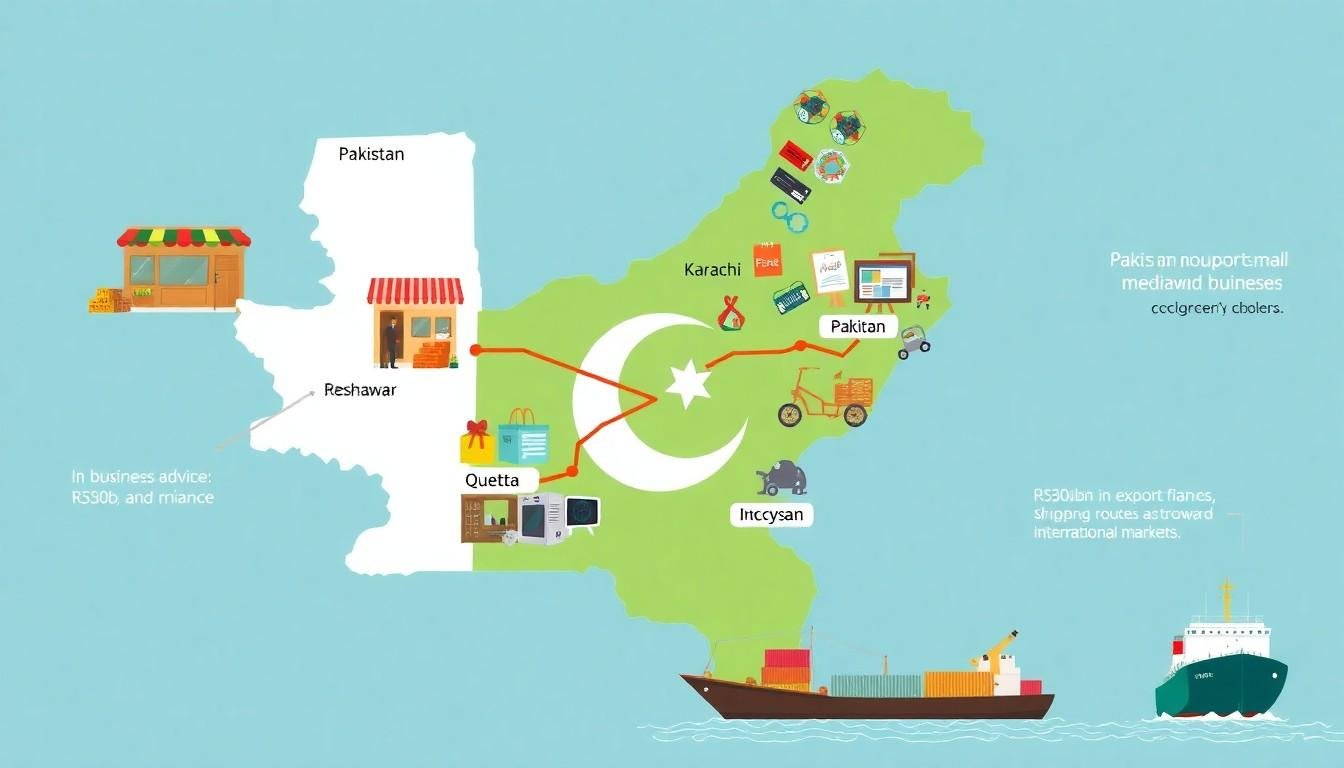
Pakistan plans to begin a network of small-business support centres in Lahore, Karachi, Peshawar and Quetta, with the possibility of extending the scheme to every district after the pilot phase has been assessed.
Prime Minister Shehbaz Sharif approved the initiative at a meeting with SME exporters, where he also called for greater public awareness of how to establish and run businesses. The centres are intended to offer guidance to people starting or expanding ventures, while t...
Continue Reading This Article
Enjoy this article as well as all of our content, including reports, news, tips and more.
By registering or signing into your SRM Today account, you agree to SRM Today's Terms of Use and consent to the processing of your personal information as described in our Privacy Policy.
he wider programme aims to help small firms reach export markets.
The Small and Medium Enterprises Development Authority’s public-sector projects page describes a planned one-stop model for the four cities, incorporating training, business incubation and support for women entrepreneurs. The authority lists the project’s cost at Rs1,250 million. The page provides background on the proposed facilities but does not refer to the Prime Minister’s latest approval.
Financing is another element of the government’s package. Sharif said Rs300 billion had been allocated under the Export Finance Scheme for SMEs and new exporters, and that the funds would be reserved exclusively for small and medium-sized businesses. EXIM Bank has issued a circular concerning the allocation, according to the reports of the meeting.
The Prime Minister also instructed officials to develop a plan for a sustainable cold-storage system, intended to help exporters move perishable goods. Separately, he approved modernising the Trade Development Authority of Pakistan and SMEDA, with the stated aim of strengthening export promotion and helping domestic industries meet international standards.
Exporters attending the meeting put forward proposals to address the sector’s difficulties. Sharif appointed a committee to consider their recommendations and report on how they could be implemented.
The measures combine local business advice with export finance, institutional changes and infrastructure planning. Their impact will depend in part on how the four-city pilot is delivered and assessed before any wider rollout.
Source: Noah Wire Services