


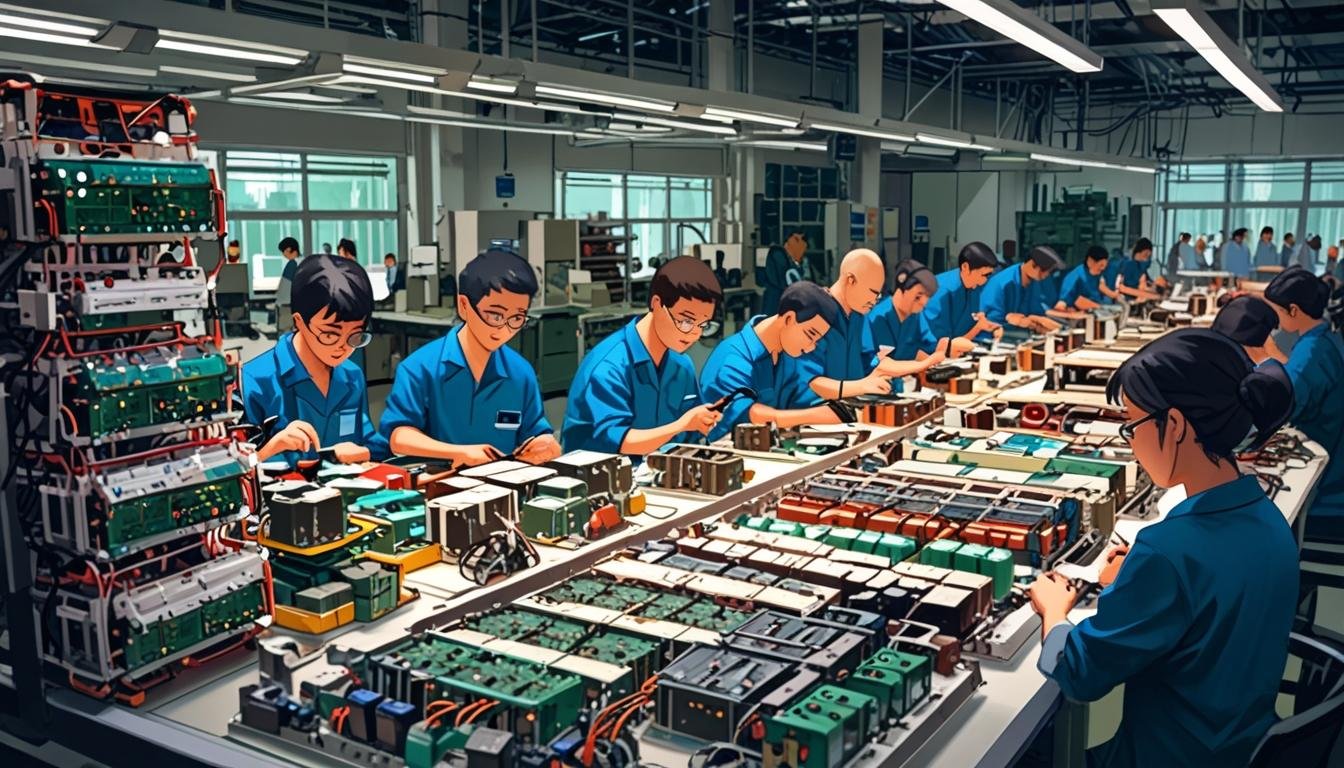
**London**: Original Equipment Manufacturers continue to face supply chain shortages exacerbated by the pandemic. Factors like supplier consolidation, raw material scarcity, and sudden demand spikes contribute to production delays. Sensible Micro offers strategies for OEMs to navigate these challenges effectively.
The ongoing repercussions of the COVID-19 pandemic continue to manifest in the form of targeted supply chain shortages, particularly affecting Original Equipment Manufacturers (OEMs). While the most severe disruptions of the pandemic era have largely receded, OEMs still face challenges that include production delays, increased costs, and customer dissatisfaction, as highlighted by Sensible Micro.
Understanding the reasons behind these shortages is crucial for OEMs striving to navigate this complex landscape. Several factors contribute to ongoing parts shortages and lead time delays in the electronics sector. One significant factor is supplier consolidation, which reduces the number of manufacturers producing certain essential components, ultimately leading to limited availability. Moreover, raw material constraints, notably the scarcity of materials such as silicon and rare earth metals, have directly impacted production capabilities.

Sudden spikes in demand due to new technologies or booms in specific industries can also outpace production capacities, compounding the problem. Additionally, geopolitical factors—like tariffs, trade restrictions, and natural disasters—further disrupt supply routes. Production delays stemming from factory shutdowns, equipment failures, or transportation bottlenecks can exacerbate these issues.
The 2025 Global Semiconductor Industry Outlook from Deloitte indicates that a major shortage in the next couple of years is unlikely. However, the report warns that any downturn in spending related to artificial intelligence and component shortages could have significant ripple effects throughout the global semiconductor and electronics supply chain. This volatility is enhanced by a looming global engineering talent shortage, which may lead to unforeseen delays in production.
In light of these challenges, OEMs can adopt various proactive strategies to mitigate the impact of supply chain shortages. Diversifying the supplier base is one such strategy. Reliance on a single supplier creates vulnerabilities; therefore, working with multiple trusted sources, particularly with hybrid distributors like Sensible Micro, enhances access to components and improves lead times.
Maintaining strategic buffer stocks is another advisable tactic. Although excess inventory incurs costs, having a calculated reserve of critical components can help avoid production line stoppages during unexpected delays. This practice is especially relevant for high-risk, long-lead-time components.
Leveraging market intelligence and forecasting can also empower OEMs to anticipate shortages before they occur. By staying informed about market trends, OEMs can engage in proactive component sourcing and allocation planning. Collaborating with well-connected supply chain experts, like those at Sensible Micro, provides valuable insights into industry developments.
Another approach involves exploring alternative components. Depending on design and specification constraints, substituting parts with equivalent components can offer immediate solutions that bypass shortages.
Finally, building long-term relationships with suppliers often results in priority allocation during shortages. Maintaining consistent communication and a collaborative partnership fosters commitment and support from suppliers, proving advantageous during challenging times.
Sensible Micro positions itself as a vital ally for OEMs grappling with these supply chain issues. The company leverages a global sourcing network, tapping into a wide array of vetted suppliers to secure hard-to-find components swiftly. Additionally, Sensible Micro offers lifecycle insights and availability data to help clients plan effectively and reduce future shortage exposure. Their support encompasses identifying alternative component solutions and maintaining transparent communication with timely updates.
In summary, while global supply chain shortages pose significant challenges for OEMs, embracing proactive strategies such as diversifying suppliers, maintaining strategic stocks, leveraging market intelligence, exploring alternatives, and nurturing supplier relationships can help safeguard production timelines and budgets. Sensible Micro remains committed to assisting its partners in building more resilient supply chains through tailored solutions and a robust understanding of the industry landscape.
Source: Noah Wire Services

