


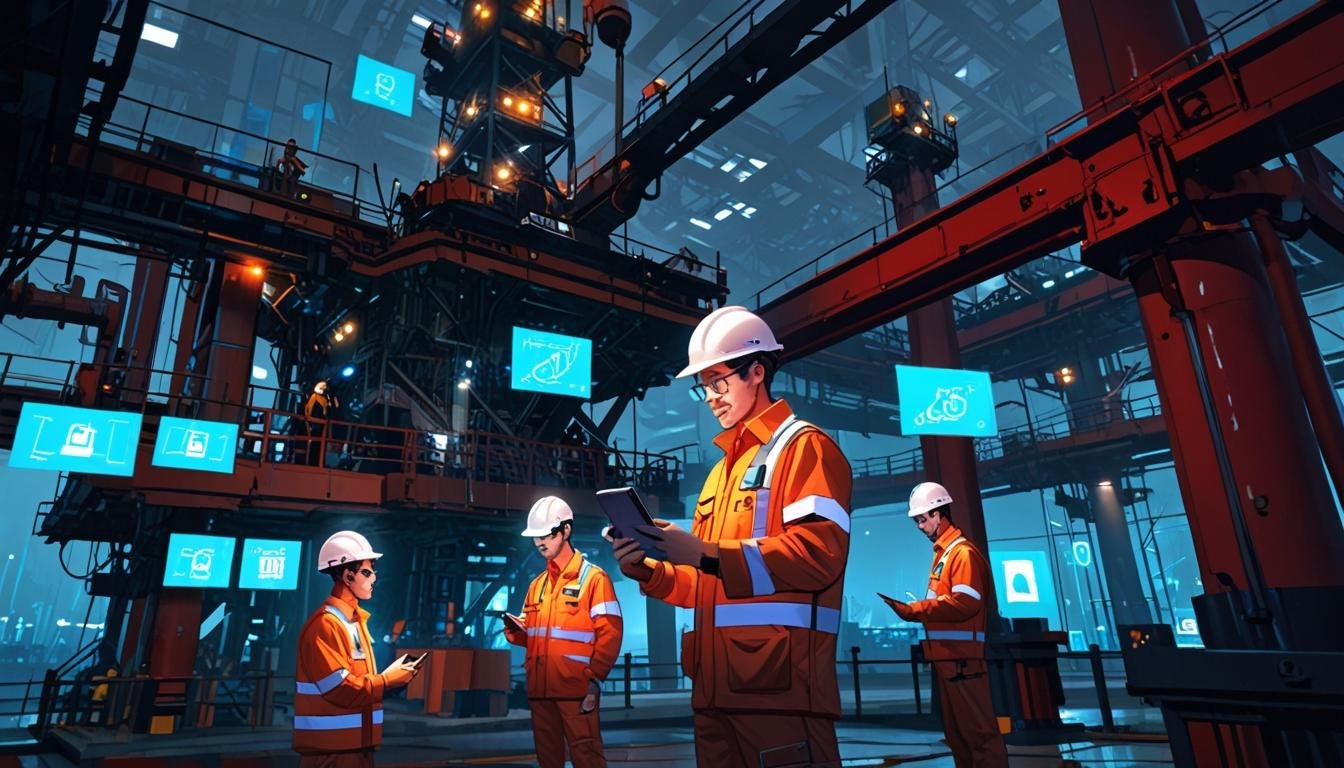
**London**: The oil and gas industry is shifting from isolated digital applications to comprehensive solutions, driven by technologies like AI and IoT. A GlobalData report highlights this evolution’s potential benefits, while also addressing challenges such as workforce skills and data security concerns.
In a significant evolution of the oil and gas sector, the industry has transitioned from implementing digital technologies for isolated applications to embracing comprehensive digital solutions across all operational processes. Technologies, including artificial intelligence (AI), blockchain, cloud computing, the Internet of Things (IoT), robotics, and virtual and augmented reality (VR and AR), have become integral to the industry’s daily functions. This shift towards digitalization is poised to deliver long-term advantages, as noted in a recent report by GlobalData, a prominent data and analytics firm.
The report provides an in-depth examination of the ongoing digitalization efforts within the oil and gas sector, highlighting the potential for transformative effects on operations. Major players in the industry—such as ADNOC, BP, Chevron, ExxonMobil, Shell, and TotalEnergies—are identified as key contributors to the growth and implementation of digital tools aimed at addressing various business challenges. Ravindra Puranik, an Oil and Gas Analyst at GlobalData, remarked: “Field personnel are extensively using handheld devices to gather data, make notes, and communicate with their team. These changes are aimed at cutting down inefficiencies in workflows for improved productivity and lower costs.” He also noted that the integration of technology helps manage extensive infrastructure more effectively, reducing the likelihood of accidents or unexpected shutdowns. Additionally, Puranik stated that the reliance on digital solutions diminishes the necessity for human involvement in hazardous environments, a critical advantage in enhancing safety.

However, the transition to digital operations is not without its challenges. Oil and gas companies typically lack expertise in digital technologies, creating a significant barrier in developing a workforce equipped with the necessary skills. Technicians who possess dual expertise in both the oil and gas field and digital technology remain scarce. Furthermore, the increasing deployment of technology raises concerns regarding data security. Historical incidents, such as the Colonial Pipeline cyberattack, underscore the vulnerabilities that may arise if adequate security protocols are not established. There is also uncertainty regarding the costs versus benefits of retrofitting older assets with modern connected technologies.
To mitigate some of these challenges, Puranik stated: “Some of these challenges can be overcome through collaboration with technology experts and regular training on cybersecurity awareness [among other measures].” He highlighted that collaboration is already taking place, with oil giants like ExxonMobil and Chevron forming long-term partnerships with technology firms such as Microsoft. These alliances are anticipated to assist companies in navigating the complexities of technology integration and advancing their digital transformation efforts.
The report from GlobalData underscores the important role of digitalization in the oil and gas industry, indicating that while hurdles remain, proactive measures can pave the way for a more efficient and secure operational landscape.
Source: Noah Wire Services

