


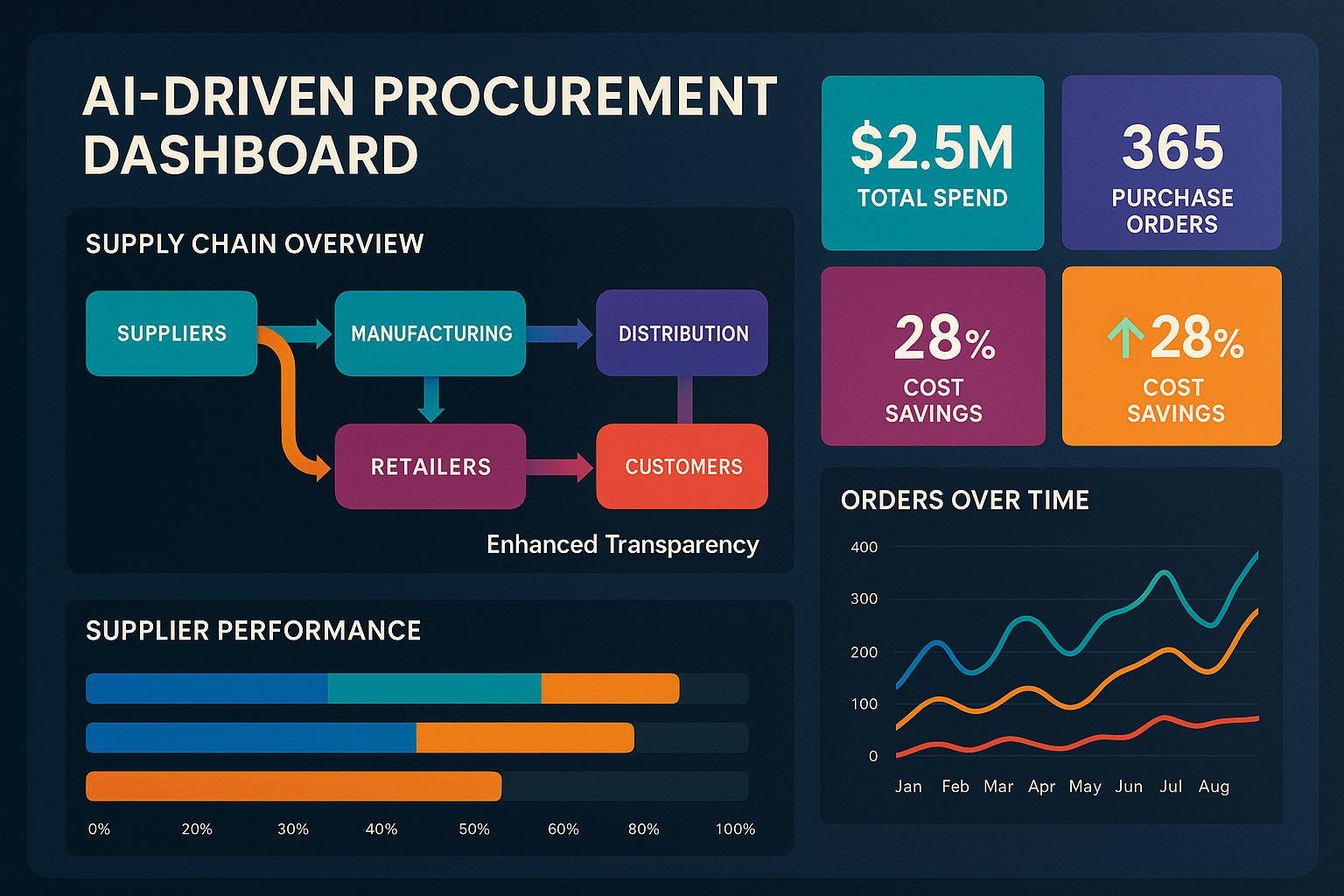
Odoo’s Purchase Management module offers extensive automation, supplier analysis, and integration capabilities, positioning it as a strategic tool for modern procurement amidst complex business landscapes.

In the competitive business landscape of today, efficient procurement is no longer a back-office afterthought but a strategic function that can reduce cost, improve cash flow and protect supply continuity. The Odoo Purchase Management ecosystem , as pres...
Continue Reading This Article
Enjoy this article as well as all of our content, including reports, news, tips and more.
By registering or signing into your SRM Today account, you agree to SRM Today's Terms of Use and consent to the processing of your personal information as described in our Privacy Policy.
Core functionality and workflow
Odoo’s Purchase module acts as the procurement hub: managing vendors, creating requests for quotation (RFQs), generating purchase orders (POs), and linking vendor bills to receipts. The system can auto-generate procurement orders from triggers such as sales orders, warehouse replenishment levels and manufacturing needs, reducing manual input and the risk of stockouts. According to Odoo’s own product documentation, that automation can be extended with procurement rules and automated ordering to ensure supplies are replenished when and where needed.
RFQ and supplier selection processes are integral to the workflow. The module supports launching RFQs to multiple suppliers, comparing propositions and converting chosen quotations into validated purchase orders. The Procurement Management add-on further extends approval and review capabilities, automating creation, review and authorisation of purchase requests and providing configurable routes for store requisitions and multi-warehouse operations.
Vendor management and cost control
A centralised supplier record gives procurement teams visibility into contact details, pricing agreements, historical transactions and delivery performance. Industry-facing summaries note that these consolidated records enable supplier evaluation and negotiation, while supplier price lists and availability tracking support better buying decisions. One Stop Odoo highlights vendor performance analytics as a practical benefit; external documentation shows Odoo’s tools can generate metrics on delivery punctuality, negotiated discounts and supplier reliability to support supplier selection and long-term agreements.
Cost control is supported by linking purchase orders to vendor bills and invoices. Odoo offers three-way matching controls for managing vendor bills against purchase orders and incoming goods, improving invoice accuracy and reducing overpayments. The Procurement Management module also integrates payment requests and purchase-linked financial approvals to tighten spend control.
Purchase agreements, approvals and compliance
For recurrent needs and strategic sourcing, Odoo supports blanket orders and purchase agreements, enabling long-term pricing, scheduled deliveries and reduced administrative overhead. Approval workflows are configurable so organisations can require managerial sign-off before orders are issued, while role-based access controls protect sensitive procurement actions. According to the Procurement Management feature set, proforma analysis forms and supplier-evaluation criteria can be incorporated into tender and approval processes.
Integration and international operations
A key strength of Odoo’s procurement tooling is integration with adjacent modules. Inventory updates occur automatically when goods are received, accounting entries can be generated from vendor bills, and purchasing data feeds into inventory, manufacturing and financial planning. The platform supports multi-currency and multi-company setups, along with multi-language capabilities, which vendors and consultants say makes it suitable for international operations and cross-border procurement.
Reporting and decision support
Advanced reporting and analytics are central to the proposition. Odoo and third-party implementers describe dashboards and printable reports that compare vendor quotations, track purchase costs, monitor lead times and highlight inventory exposures. Procurement Management adds configurable reports for vendor quotation comparison and supplier evaluation, intended to give procurement teams evidence to renegotiate terms or change suppliers when metrics warrant it.
Practical implications for businesses
For ecommerce and fast-moving businesses the ability to auto-create purchase orders from sales and stock signals promises fewer out-of-stock incidents. Organisations with recurring supplier relationships benefit from blanket orders and recurring requisition automation. For companies that require stronger financial controls, three-way matching and purchase-to-pay integration reduce invoicing errors and improve auditability.
Caveats and editorial perspective
The vendor and partner material understandably emphasise benefits; implementation outcomes depend on accurate master data, well‑configured procurement rules and disciplined process change. According to Odoo’s own feature pages and procurement module summaries, success typically requires effort in setting up supplier price lists, procurement routes and approval hierarchies, and in training users to follow the new workflows.
Conclusion
Odoo’s Purchase Management capabilities, as described by One Stop Odoo and by Odoo’s product documentation and third‑party summaries, provide a comprehensive suite for modern procurement: automation to prevent stock gaps, tools to compare and manage suppliers, integration with inventory and accounting, and reporting to support cost control. Organisations evaluating the solution should weigh its automation and integration advantages against the work needed to configure procurement rules, supplier data and approval workflows to suit their governance and operational requirements.
Source: Noah Wire Services
Subscribe to Industry Updates

