


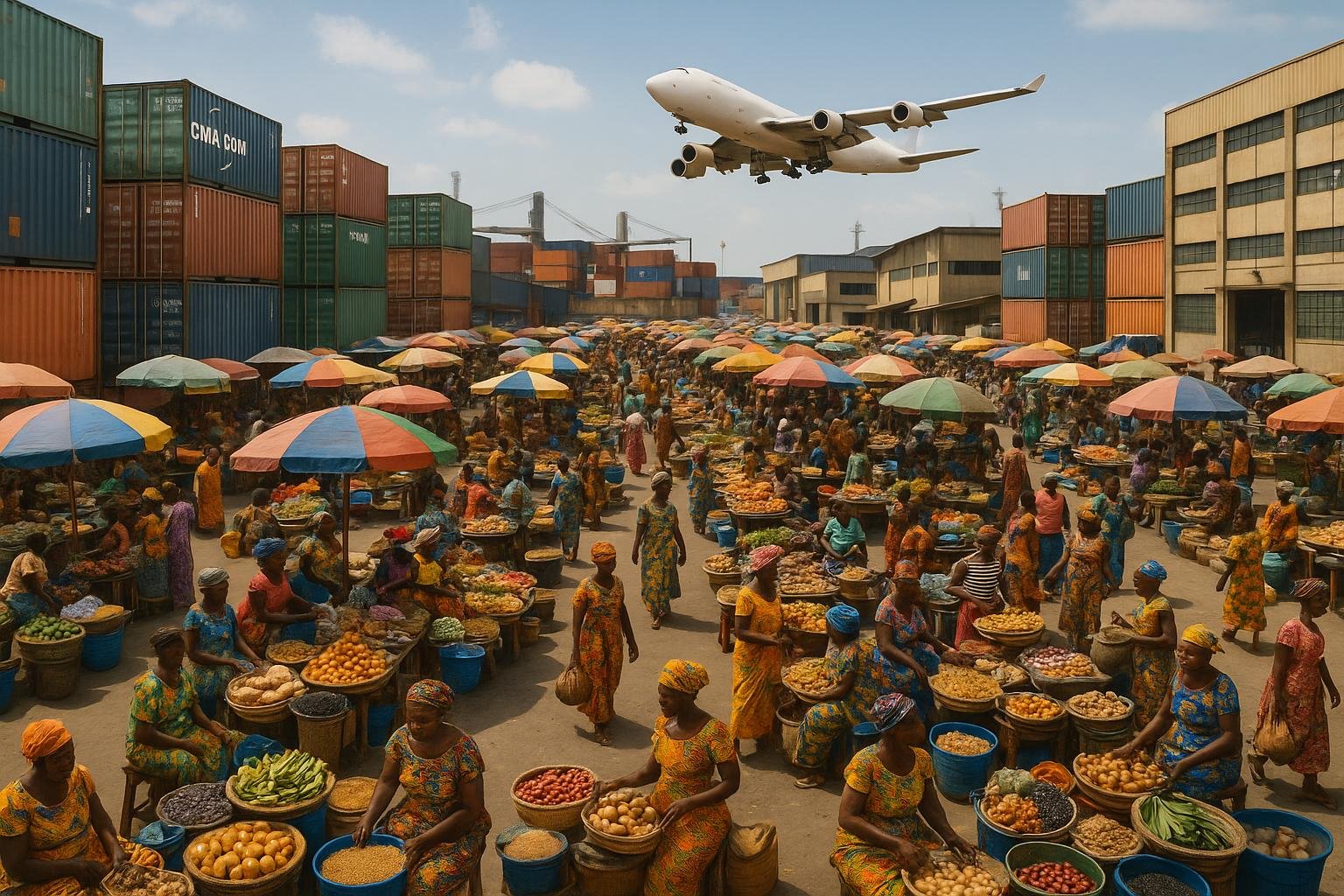
A comprehensive report highlights Nigeria’s critical supply chain challenges, urging major reforms in digitalisation, infrastructure, public-private partnerships, industrial policy, and trade alignment to boost competitiveness and economic growth.

Nigeria’s goods-moving system is at a crossroads. Years of underinvestment, cumbersome procedures and weak intermodal links have left supply chains stretched, driving up prices and undermining competitiveness across ag...
Continue Reading This Article
Enjoy this article as well as all of our content, including reports, news, tips and more.
By registering or signing into your SRM Today account, you agree to SRM Today's Terms of Use and consent to the processing of your personal information as described in our Privacy Policy.
Industry analysis shows the logistics sector’s contribution to the economy is modest but measurable: logistics accounted for about 3.73 per cent of GDP in 2024, yet the same studies and industry voices warn the sector is being hollowed out by persistent dysfunction. Port inefficiencies, dilapidated road corridors, limited rail connectivity, scarce storage capacity, endemic regulatory bottlenecks and corruption have together pushed logistics costs to as much as 40 per cent of final product prices, one of the highest burdens globally, according to reporting in The Guardian and BusinessDay’s logistics valuation study.
The consequences are tangible. NationalEconomy estimates Nigeria forfeits billions of naira yearly because seaports are effectively cut off from the rail network, forcing more than 90 per cent of cargo evacuation onto trucks. The result is chronic port congestion, gridlocked hinterlands and ballooning transport bills that deter investment and slow growth. The Nigerian Shippers Council has repeatedly flagged how obsolete cargo-handling equipment, inadequate feeder roads and insufficient warehousing constrain port operations, while other analysts point to inefficient customs and security risks as further frictions.
Addressing these failures will not be achieved by a single intervention. Experts and stakeholder reports coalesce around five priority reforms that could reshape Nigeria’s supply chains.
Digitise end-to-end logistics
Greater digital adoption would improve visibility, reduce transactional friction and limit opportunities for rent-seeking. Rome Business School Nigeria recommends wider Enterprise Resource Planning rollouts, GPS-enabled cargo tracking, blockchain for provenance and secure records, and tighter integration between logistics platforms and e-commerce. Real-time data sharing across shippers, carriers, customs and warehouses would ease coordination in multi-tier supply chains and curb the delays that cascade through the system.
Mobilise public–private partnerships at scale
Given the scale of capital required to modernise ports, rail and warehouses, PPPs are central to delivering infrastructure quickly and efficiently. Stakeholders argue structured partnerships can combine public oversight with private capital and operational expertise, allocate risk sensibly and align projects with commercial realities. NationalEconomy and other commentators call for reforms to project financing and contractual frameworks to draw institutional investors into logistics corridors and inland terminal development.
Rewire industrial policy to sustain local value chains
Policymakers should build supply chains that privilege domestic sourcing and backward integration, enabling manufacturers to capture more value locally. Rome Business School Nigeria and BusinessDay note that stronger local content rules, incentives for upstream processing and programmes to boost MSME capacity would reduce dependence on imports, shorten logistics distances and support employment across the value chain.
Invest in intermodal infrastructure and equipment
Physical connectivity remains the linchpin. Analysts and the Nigerian Shippers Council point to urgent needs: modernise port terminals, link seaports to the national rail network, expand dry ports and inland container depots, upgrade feeder roads and restore navigable inland waterways. Procuring modern cargo-handling gear, enlarging warehousing capacity and improving reliable power and ICT will lower dwell times, reduce pilferage and bring down unit transport costs.
Align trade policy to capture AfCFTA opportunities
The African Continental Free Trade Area promises larger markets and harmonised rules, but Nigeria’s capacity to benefit is constrained by domestic logistics deficits. Commentators in Punch and other outlets argue streamlining customs, adopting AfCFTA-aligned trade rules and investing in cross-border corridors will reduce non-tariff barriers and integrate Nigeria into continental value chains. Realising AfCFTA gains will depend on synchronising trade reforms with tangible improvements in physical and digital logistics.
Beyond these five thrusts, tackling corruption and bureaucratic delays is fundamental. Reports from MMSPlus and The Guardian underscore that procedural opacity and discretionary charges compound the cost of moving goods. Reformers stress that improving governance and transparency across ports, customs and licences is as vital as hardware upgrades.
Rebuilding Nigeria’s supply chains will be capital- and time-intensive, but the payoff is clear: lower inflationary pressures, higher export competitiveness, broader domestic value creation and more inclusive access to goods. Unless policy, private capital and regulators move in concert to implement the targeted reforms outlined by industry studies and regulatory bodies, the logistics drag on growth and prosperity will continue to grow.
Source: Noah Wire Services
Subscribe to Industry Updates

