


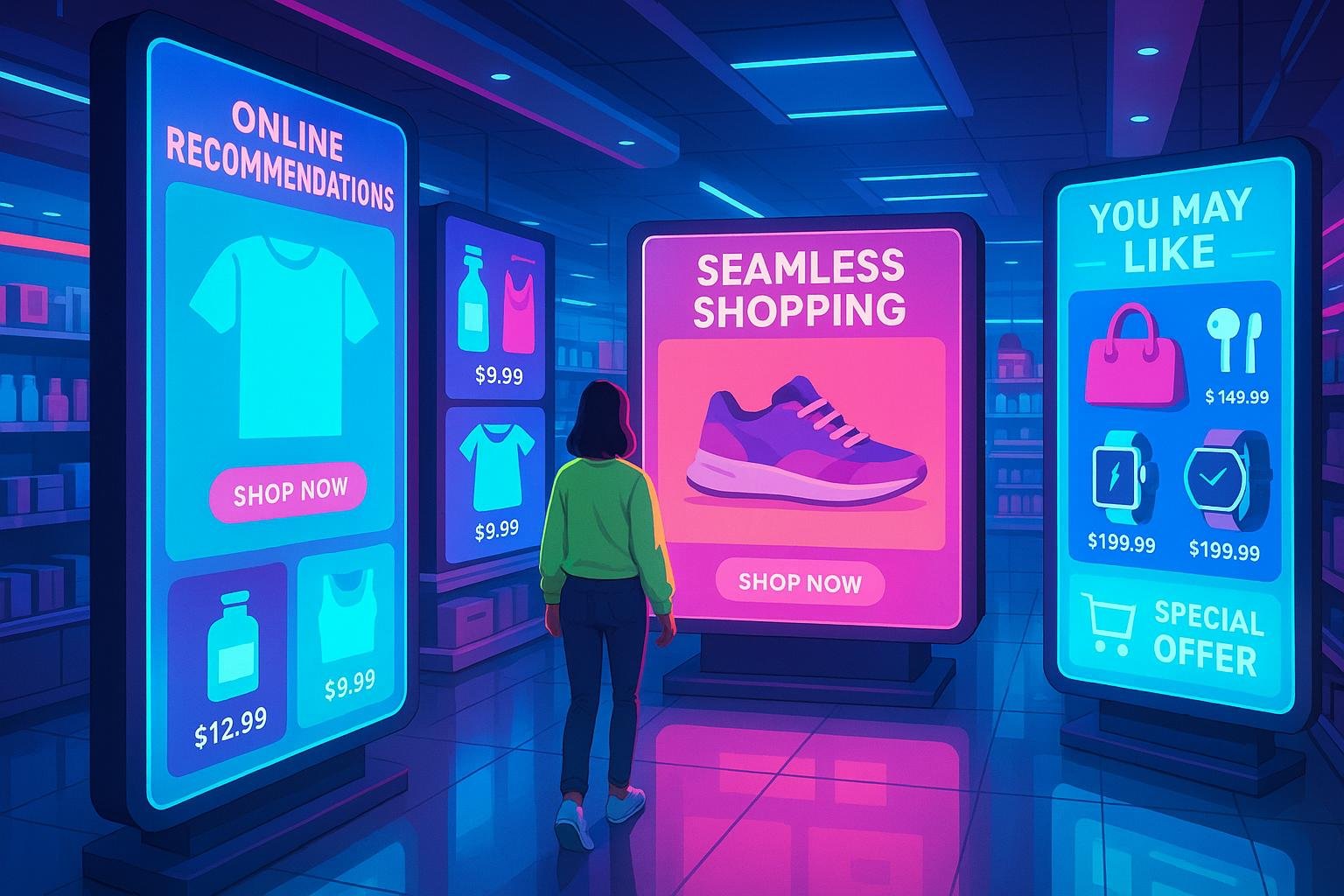
Recent case studies demonstrate how brands are integrating B2B and DTC channels on unified platforms, transforming traditional wholesale processes into strategic growth opportunities through personalised, content-driven experiences and data centralisation.

If selling to other businesses is on your ecommerce roadmap, recent B2B storefronts show how modern buying experiences can be built without sacrificing direct‑to‑consumer channels. According to ecommercefastlane, ...
Continue Reading This Article
Enjoy this article as well as all of our content, including reports, news, tips and more.
By registering or signing into your SRM Today account, you agree to SRM Today's Terms of Use and consent to the processing of your personal information as described in our Privacy Policy.
The most striking throughline in the 11 case studies ecommercefastlane highlights is a focus on buyer experience rather than legacy wholesale processes. Dermalogica Pro, for example, demonstrates how professional education can be a primary acquisition and retention tool for trade customers. According to Dermalogica’s own SkinStudy and Education Pathway pages, the Pro site gives licensed skin therapists access to on‑demand courses, live workshops, treatment protocols and trackable learning pathways; the Dermalogica Expert Program further lets therapists earn digital badges, personalise their learning journey and secure early access to product innovations. A company document outlining “Steps to Qualify for 2026 Product Innovations” shows the brand tying educational completion to eligibility for new product launches, reinforcing repeat engagement and product familiarity among professionals.
That combination of gated content, credentialing and commerce mirrors a broader trend: B2B buyers value specialised knowledge and status as much as price. Dermalogica’s ProInsider and PROartist programmes, which the company describes as offering member discounts, sampling opportunities and professional support, underline how supplier‑led benefits can be designed for personal and professional use while remaining distinct from resale channels.
Other examples in the ecommercefastlane round‑up show how a single commerce platform can be configured to solve classic B2B problems:
-
Personalisation that scales: Mokobara converted its DTC success into B2B growth with password‑protected portals, dynamic bulk pricing, product customisation and localized storefronts that adapt currency, language and payments by buyer location. The result reported was doubled revenue and improved retention.
-
Data‑driven operations: Angelus Direct moved wholesale ordering into a Shopify portal so order history, inventory and production data sit in one place. “Order entry used to be this manual process of people writing things down on a scratchpad or writing out orders that came through fax or email, and there were constant errors,” CEO Tyler Angelos said. “Now we channel wholesale partners to our B2B portal on Shopify, so there’s no discussion or intermediate area where someone might make a mistake.” The brand attributes a 10x increase in global sales to having unified data that lets production teams forecast reliably.
-
Purpose and procurement: Who Gives A Crap integrates sustainability claims and social impact into its wholesale descriptions and partner support. According to Bain & Company research cited by ecommercefastlane, half of B2B buyers already award more business to sustainable suppliers, a share that could rise significantly in coming years, making purpose a commercial advantage as well as a mission.
-
Speed and field enablement: CeramicSpeed and AMR Hair & Beauty prioritise fast, accurate ordering and powerful search. CeramicSpeed’s sales reps place orders on the go via a mobile app hosted on the commerce platform; AMR’s migration delivered advanced filtering and automatic multi‑tiered pricing, which the founder credits with sharp rises in average order value and conversion rates.
-
Channel orchestration: DECKED and The Somewhere Co. illustrate how brands can protect retailer relationships while preserving consumer reach. DECKED uses a dealer locator linked to inventory and product displays so online traffic converts into in‑store sales and installations; The Somewhere Co. offers postcode exclusivity to selected stockists and reports shorter order times after moving wholesale onto a unified platform.
Across these examples, three capabilities recur as decisive:
-
Unified commerce and data: Centralised order, inventory and customer records reduce manual errors, enable production planning and let marketing and sales personalise offers by buyer segment.
-
Tailored access and pricing: Passworded portals, tiered pricing, quantity rules and payment terms let vendors, trade accounts and resellers see only the products, prices and terms relevant to them.
-
Content and credentialing: Educational hubs, product fact sheets, technical guides and certification pathways motivate repeat buying and raise the perceived value of supplier relationships.
Putting these lessons into practice need not be all or nothing. ecommercefastlane emphasises that modern platforms allow brands to run B2B and DTC from the same storefront while publishing distinct catalogues and experiences for each audience. That reduces the overhead of separate systems and keeps buyer data in one place, enabling the automation and insights that Angelus and others cite as transformative.
There are caveats. A migration to a unified platform requires careful mapping of pricing tiers, tax and compliance rules, and partner agreements; channel partners may need reassurance about territorial protection, exclusivity and lead capture; and brands must avoid mixing personal discount programmes intended for individual professionals with wholesale reselling privileges, a distinction Dermalogica maintains in its ProInsider terms.
For businesses building or rethinking a B2B arm, the pragmatic takeaway from these examples is clear: design the wholesale experience around how your buyers actually work , whether that means fast mobile ordering for travelling reps, rich technical content for professional customers, or protected portals for high‑volume resellers , and drive those experiences from a single, data‑centric commerce platform. When educational programmes, purpose messaging and operational visibility are treated as commercial features rather than afterthoughts, wholesale can shift from costly overhead to a strategic channel for growth.
Source: Noah Wire Services
Subscribe to Industry Updates

