


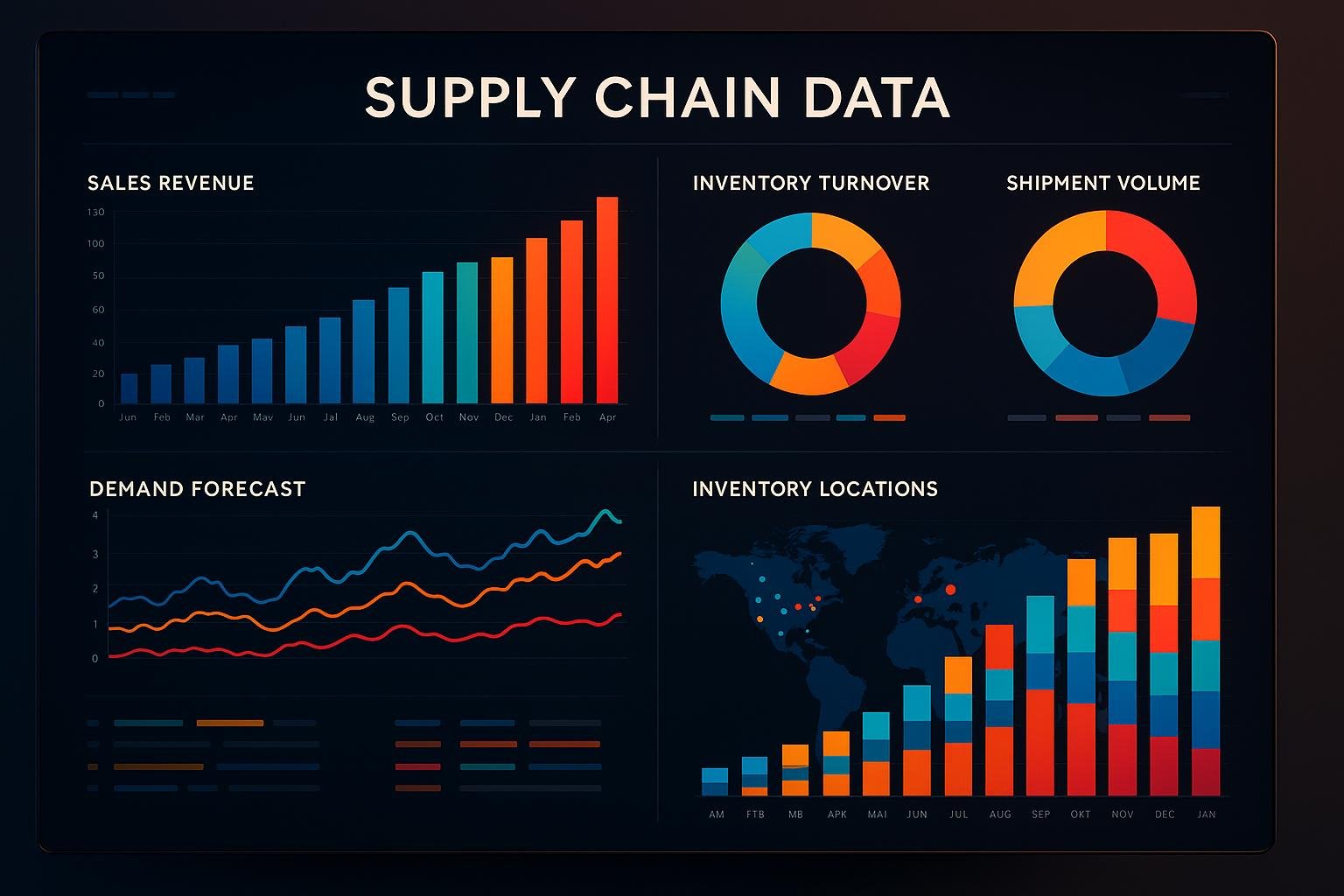
Upgraded analytics in Microsoft Dynamics 365 Supply Chain Management enhance real-time visibility, AI-driven forecasting, and integration, enabling organisations to make faster, smarter supply chain decisions amidst growing complexity.

Introduction
In today’s fast-moving supply chain landscape, organisations must make faster, smarter decisions to remain competitive. According to the original report, the latest analytics enhancements in Microsoft Dynamics 365 Su...
Continue Reading This Article
Enjoy this article as well as all of our content, including reports, news, tips and more.
By registering or signing into your SRM Today account, you agree to SRM Today's Terms of Use and consent to the processing of your personal information as described in our Privacy Policy.
Closing the visibility gap
One persistent barrier to effective decision-making is delayed or fragmented data. The lead report notes that D365 SCM’s upgraded analytics deliver unified dashboards that span procurement, manufacturing, logistics and warehousing, live transactional data streaming and instant disruption alerts. Industry practitioners say these features reduce reliance on stale reports and enable leaders to respond more quickly to delays, shortages and demand swings. Implementation partners report near real-time order tracking and “always-on” Power BI dashboards that extend visibility into sales, inventory and financials, reinforcing a continuous operational view.
From hindsight to foresight: AI and predictive analytics
Where traditional reporting tells organisations what has happened, D365 SCM’s new analytics seek to predict what will happen next. According to product summaries, Microsoft has tightened integration with Azure Machine Learning and other AI services to deliver predictive demand analytics, lead‑time change forecasts, supplier risk scoring and stockout warnings. A June 2025 update described as “Demand Intelligence 3.0” specifically improves seasonality detection and supports real‑time adjustments to forecasts. The practical effect is a predictive layer that helps planners prepare rather than merely react, improving forecast accuracy and lowering uncertainty.
Inventory and procurement intelligence
Inventory optimisation is a prime use case for these analytics. The lead article highlights automated replenishment recommendations, ABC/XYZ segmentation and seasonality‑aware forecasting; partner case studies add AI recommendations for safety stock and waste‑reduction planning. Together, these capabilities aim to align inventory with real demand, cutting carrying costs while sustaining service levels.
Procurement teams gain deeper supplier insight through on‑time delivery scoring, quality benchmarking, contract performance analytics and ESG compliance indicators. The result, according to consultants, is more evidence‑based supplier selection and risk management rather than decisions based on limited historical metrics.
Manufacturing, transport and warehouse gains
Manufacturers can use upgraded analytics for production cycle‑time analysis, throughput and capacity planning, machine performance forecasting and energy‑use monitoring. The lead report and implementation guides both emphasise downtime prediction and waste reduction as immediate benefits.
Logistics and warehouse analytics extend those gains. Transportation modules now offer route efficiency scoring, fuel‑use tracking and carrier performance analytics, while warehouse tools support picking‑path optimisation, productivity monitoring and real‑time workload balancing. Implementations have shown faster deliveries and lower operating costs when analytics are paired with execution workflows.
Integration, tooling and user adoption
D365 SCM’s analytics ecosystem is designed to work with the wider Microsoft stack. The platform integrates with Power BI for advanced visualisation and with Copilot‑style AI in adjacent modules to enable natural‑language queries and quicker insight discovery. Integration partners report scalable architectures built on Microsoft Fabric and always‑available dashboards that improve cross‑functional alignment.
That said, the original report and partner commentary both stress that training and change management matter: the tools reduce friction but do not eliminate the need for skilled users to interpret outputs and act on recommendations. Practitioners advise targeted training to unlock value from dashboards, AI insights and automated workflows.
Limits and considerations
While vendors emphasise model accuracy, the technology depends on quality historical and operational data; predictive models require ongoing tuning and governance. Industry data shows that external inputs , for example, macroeconomic indicators or supplier‑specific events , can materially affect forecast performance, so organisations should combine automated insights with domain expertise. Implementation complexity and integration with legacy systems also remain practical constraints for some companies.
Conclusion
The upgraded analytics in D365 SCM materially strengthen organisations’ ability to see, anticipate and act across the supply chain. According to partner case studies and product updates, the combination of real‑time visibility, AI‑driven forecasting and tighter integration with Power BI and the Microsoft data platform can reduce costs, improve service levels and increase resilience. However, vendors and implementers agree that the full benefit depends on data quality, governance and user adoption , firms that invest in those foundations are most likely to convert new analytics capabilities into sustained competitive advantage.
Source: Noah Wire Services
Subscribe to Industry Updates

