


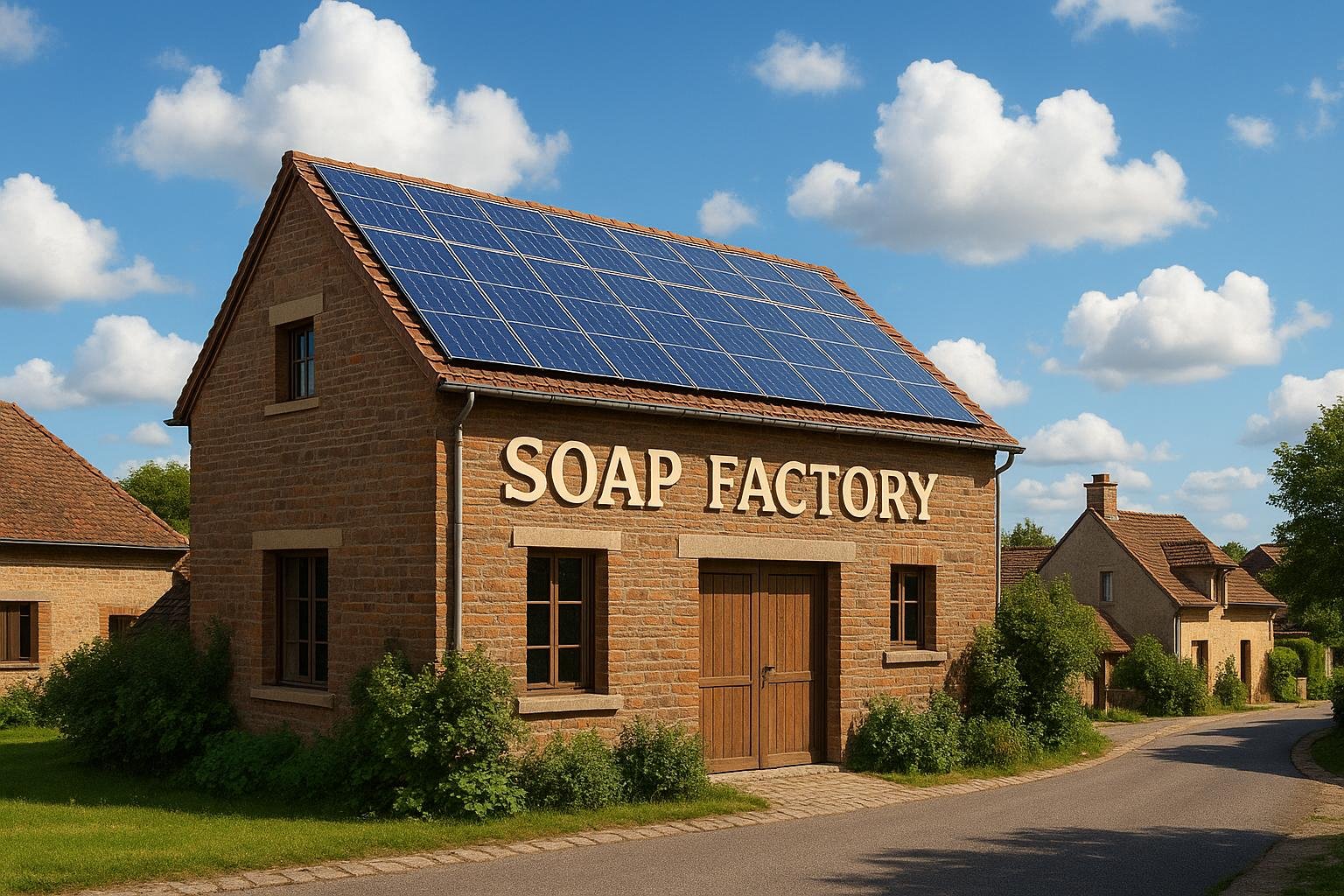
McBride plc maintains a dominant role in Europe’s private‑label household and personal care market, leveraging operational resilience and sustainability initiatives to navigate market stability and retailer demands.

McBride plc remains a central player in Europe’s private‑label household and personal care sector, its manufacturing footprint and retailer partnerships underpinning a steady role within the FTSE All‑Share ecosystem.
According to the ori...
Continue Reading This Article
Enjoy this article as well as all of our content, including reports, news, tips and more.
By registering or signing into your SRM Today account, you agree to SRM Today's Terms of Use and consent to the processing of your personal information as described in our Privacy Policy.
Operational resilience is built on integrated manufacturing and supply‑chain systems. Industry data shows McBride’s facilities combine automated dosing, blending and filling with quality laboratories and control regimes to meet regulatory and retailer performance standards. The group’s procurement and logistics functions , warehousing, transport partnerships and planning systems , are designed to ensure predictable replenishment for retail distribution centres and to manage seasonal or promotional volatility.
Financially, McBride has signalled continued stability. Market announcements indicate adjusted operating profit strengthened in the year to 30 June 2024, with the company later stating full‑year results for the period to 30 June 2025 are expected to be in line with market expectations. The board’s decision to launch a £20 million share buyback programme was presented as evidence of confidence in the group’s cash generation and outlook, prompting a positive investor reaction. At the same time, McBride has reported signs of stabilising private‑label demand amid inflationary headwinds, with some retailers emphasising value and cost‑reduction to support lower consumer prices.
Sustainability and packaging innovation are prominent strands of McBride’s product and procurement strategy. The company says its formulation teams are exploring lower‑impact surfactants, concentrated products and biodegradable blends, while packaging collaborations seek recyclable materials, refill‑ready formats and increased post‑consumer recycled content. Manufacturing sites are reported to be pursuing emissions, water and energy reductions, and supply‑chain choices increasingly factor supplier environmental performance and transport efficiency into sourcing decisions.
McBride’s deep involvement in private‑label manufacturing gives it close operational ties to retailers’ category strategies. The private‑label model, industry observers note, affords retailers pricing control and differentiation; McBride’s category expertise , across liquids, unit dosing, powders, aerosols and Asia Pacific operations , positions it to respond with tailored fragrance, viscosity and packaging solutions that meet national regulatory and consumer preferences.
Within the FTSE All‑Share, McBride’s presence underscores its role in the consumer staples landscape rather than as a headline large‑cap. The company’s combination of manufacturing scale, long‑standing retailer relationships and a stated emphasis on sustainable product development keeps it relevant to investors, procurement specialists and supply‑chain stakeholders focused on essential household categories.
Looking ahead, McBride’s performance will be watched for how effectively it balances retailer demand for value with margin protection, the pace of private‑label volume recovery and progress on sustainability targets. According to company disclosures, its strategic priorities remain centred on operational efficiency, targeted growth in core markets and continued collaboration with retail partners to deliver affordable, environmentally conscious product lines.
Source: Noah Wire Services
Subscribe to Industry Updates

