


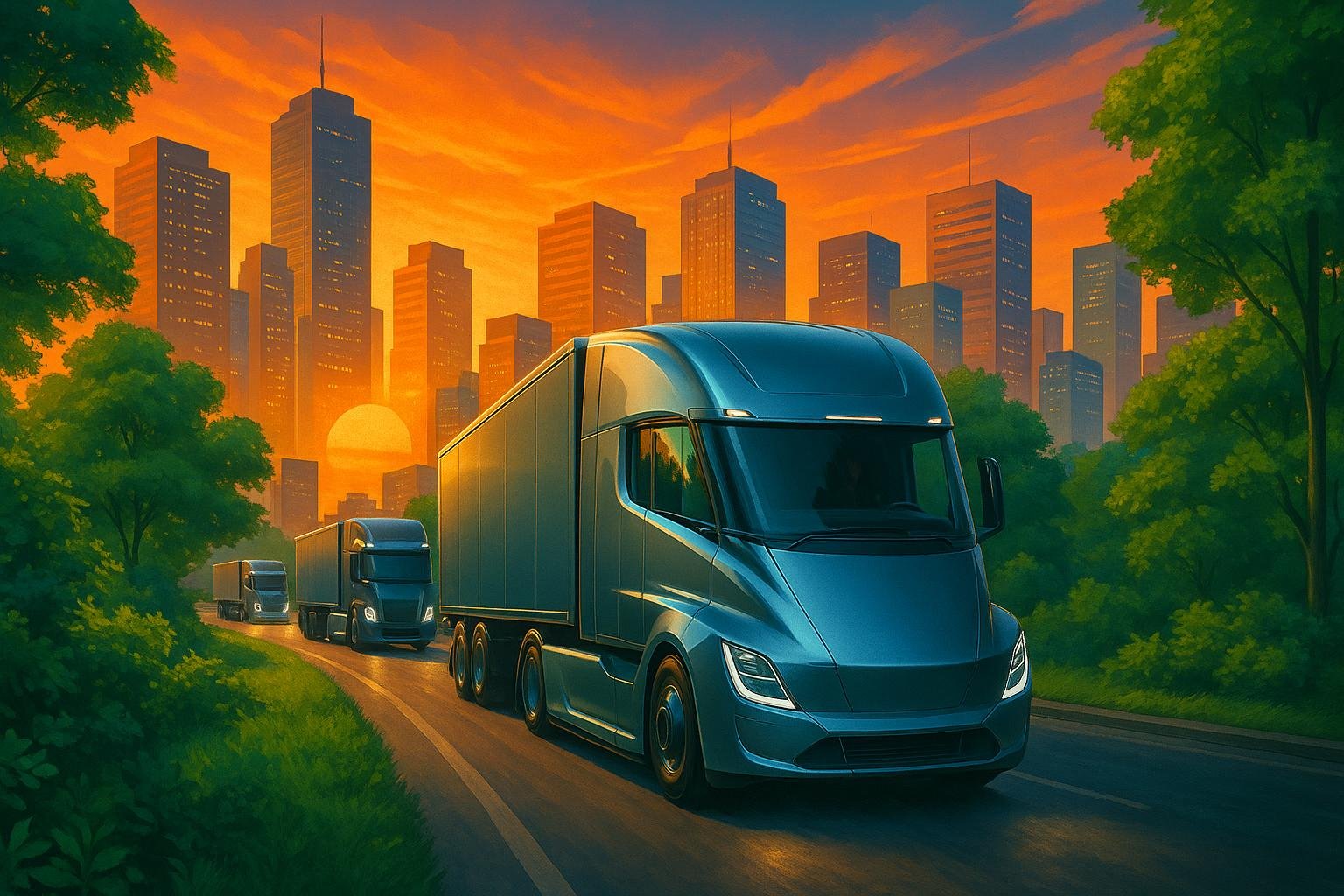
As emissions targets tighten and energy costs rise, logistics operators are shifting from pilot projects to comprehensive strategies that integrate electrification, data-driven orchestration, and zero-emission backup systems to ensure supply chain resilience and meet customer demands.

As logistics operators confront tightening emissions targets, volatile energy costs and growing demands for resilience, energy innovation is shifting from pilot projects to boardroom strat...
Continue Reading This Article
Enjoy this article as well as all of our content, including reports, news, tips and more.
By registering or signing into your SRM Today account, you agree to SRM Today's Terms of Use and consent to the processing of your personal information as described in our Privacy Policy.
Electrification is the most visible strand of that transition. Per Fyrenius, SVP Corporate Development at Toyota Material Handling Europe, notes that “In intralogistics, we are well electrified already, but road transport still has a lot of potential. We’re seeing a fast shift from old lead-acid batteries to modern lithium battery technologies, and more steps are coming.” Industry data shows manufacturers are redesigning equipment to squeeze energy savings from motors, control software and power electronics, while also migrating fleets to lithium and other advanced chemistries to improve uptime and total cost of ownership.
But suppliers and operators stressed that vehicle-level efficiency alone will not deliver systemic benefit. “Forklift trucks continue to be made more energy efficient using all sorts of solutions. We’re also looking at orchestrated charging, not just for forklifts, but eventually for electric lorries docking at warehouses,” Per said, pointing to a shift from isolated upgrades toward integrated energy ecosystems in which charging, power supply and fleet management are optimised together.
Data and smart control are central to that orchestration. “It starts with data availability,” Stéphane Jardin, Deputy CEO at EODev, told the Logiconomi audience. He added that “Smarter devices produce data we can analyse to optimise our energy use. But there’s a limit to how much we can reduce consumption as demand keeps rising.” Operators are therefore pairing analytics and control software with hardware investments so that charging schedules, peak‑shaving and load flexibility can be coordinated across sites and vehicle types.
Where analytics and electrification meet resilience, zero‑emission power systems are emerging as a practical bridge. Stéphane described how EODev’s hydrogen systems and battery energy storage can “step in when there’s a power outage or supply is insufficient,” offering both continuity and emissions benefits. This mirrors initiatives elsewhere in the sector: logistics firms and suppliers are piloting battery storage, on‑site generation and hydrogen solutions to cope with grid constraints and extreme weather while also reducing carbon intensity.
Customer expectations are accelerating these shifts. “Our customers are under pressure to manage energy costs and ensure energy security,” Per said, adding that end consumers increasingly demand cleaner, more transparent logistics. Industry voices at Logiconomi emphasised the need for robust reporting and measurable CO₂ savings, with suppliers expected to demonstrate operational and financial impacts as part of procurement decisions.
The industry’s broader landscape underlines the variety of technical responses now in play. From adaptive energy‑management ecosystems that balance charging demand and costs, to advanced power electronics and SF6‑free grid equipment aimed at decarbonising supply, vendors are bringing complementary solutions that span batteries, hydrogen, fuel cells and digital controls. According to the original report, this combination of electrification, smart systems and resilient zero‑emission backups is being promoted not only for sustainability but as a commercial necessity to secure uptime and customer trust.
If logistics is to meet tighter targets and rapidly changing customer requirements, companies will need to invest across three layers simultaneously: energy‑efficient equipment, connected orchestration and resilient, low‑carbon supply. The Logiconomi interviews suggest that progress is accelerating, but that integration, transparent reporting and supplier support remain critical to move pilots into large‑scale, reliable deployments.
Source: Noah Wire Services
Subscribe to Industry Updates

