


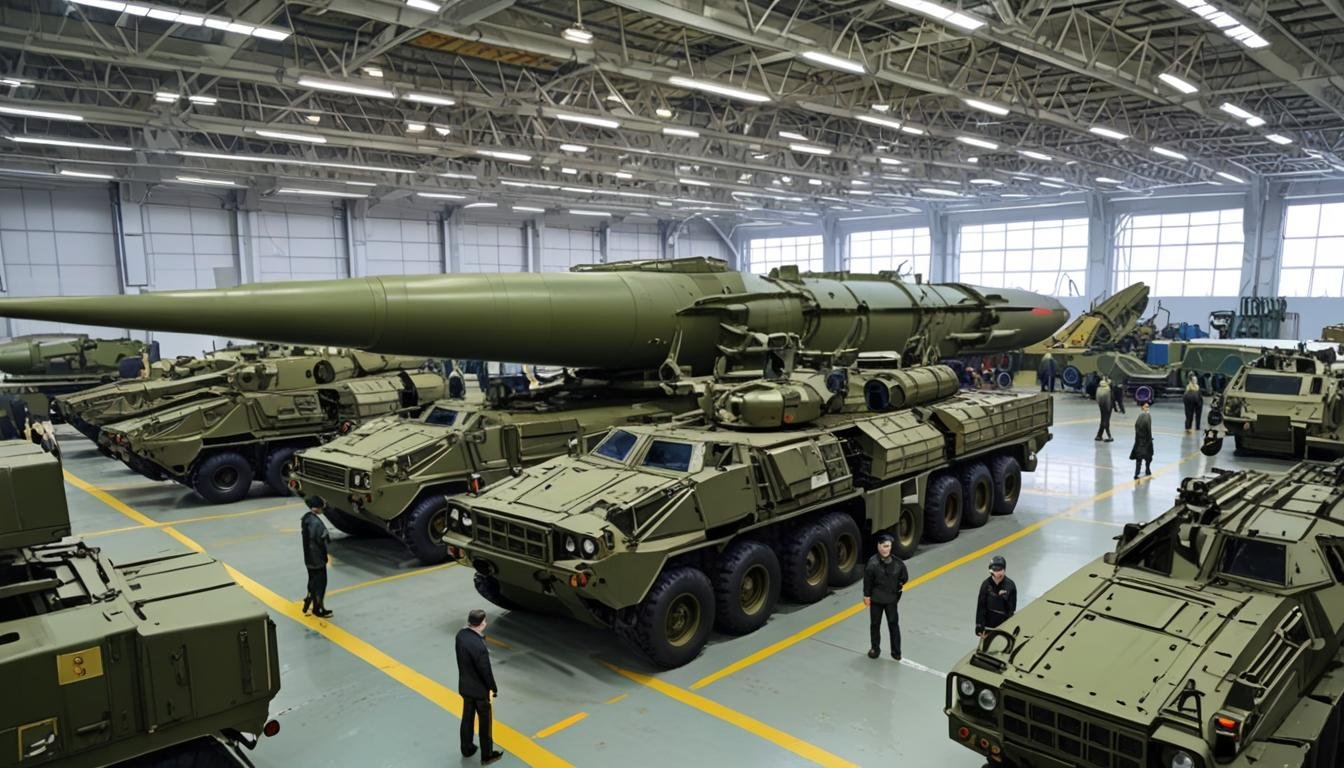
**Munich**: Kongsberg Defence & Aerospace is working to establish a joint venture in Ukraine to enhance missile production capacity while addressing global supply chain challenges. President Eirik Lie discusses the impact of tariffs and the company’s proactive strategies in response to changing geopolitical circumstances.
MUNICH – Kongsberg Defence & Aerospace, the Norwegian company renowned for its NASAMS air defence systems currently deployed in Ukraine, is emphasising the crucial role of diversified global supply chains in meeting the soaring demand for defence equipment. Eirik Lie, President of Kongsberg, shared insights during an interview with EURACTIV, outlining the company’s strategic plans and responses to the changing geopolitical landscape, particularly in light of Donald Trump’s recent announcement regarding impending 25% tariffs on EU goods.
In the discussion, Lie revealed that Kongsberg is in the process of establishing a presence in Ukraine through the formation of a joint venture. This initiative aims to harness the capabilities of Ukrainian industry, with a focus on enhancing missile production capacity for their air defence systems, utilising local technology. He stated, “We are talking about the mass production of missiles, meaning hundreds,” and indicated that they anticipate establishing this joint venture within months.

Despite some industry concerns regarding security risks tied to operating in Ukraine and potential fears of escalating tensions with Russia, Lie highlighted the importance of their involvement. He explained, “In the long term, when the war is over, Ukraine can be part of the supply chain providing missiles for air defence systems.”
Looking beyond the immediate conflict, Lie expressed optimism about future growth opportunities post-peace in Ukraine, noting that significant innovation is occurring in the country during the war. Kongsberg’s enhanced production capacity, developed shortly after the outbreak of the conflict three years ago, is already paying dividends in terms of fulfilling the rising demand for missiles and air defence equipment.
Lie continues to advocate for a diversified supply chain strategy, emphasising that it creates a resilient production capacity. Kongsberg has invested substantially in their production capabilities not only in Norway but also in the United States and Australia. He pointed out, “Having regional production sites gives us a resilient production capacity.”
In addressing concerns about potential disruptions in supply chains, especially with expected increases in European defence spending, Lie noted that Kongsberg has built a record-high order backlog, with many contracts emerging sooner than anticipated due to the dynamics of the Ukraine situation and heightened tensions in the Pacific region.
With respect to the implications of trade wars and potential tariffs, Lie acknowledged the need for careful monitoring of supply chain stability. “No industry wants to have trade wars,” he remarked. To mitigate these risks, Kongsberg is focusing on “de-risking” strategies by establishing production facilities in the United States that rely on local labour and supply chains, allowing them to counter potential trade barriers more effectively.
Lie also outlined logistical challenges, including dependence on singular sources for supplies. To preemptively address these hurdles, he suggested the necessity for stockpiling to facilitate increased production capacity, as well as expanding the number of suppliers within regional markets.
While specifics on components for the NASAMS systems were not disclosed, Lie confirmed that the company is prioritising certain elements in its supply chain strategy. He emphasized that Kongsberg is committed to granting suppliers visibility through long-term contracts to ensure steady access to essential materials and resources.
As Kongsberg continues to navigate the complexities of defence manufacturing amid evolving global trade dynamics, the company’s proactive measures and strategic planning highlight its dedication to maintaining robust production and supply chain capabilities.
Source: Noah Wire Services

