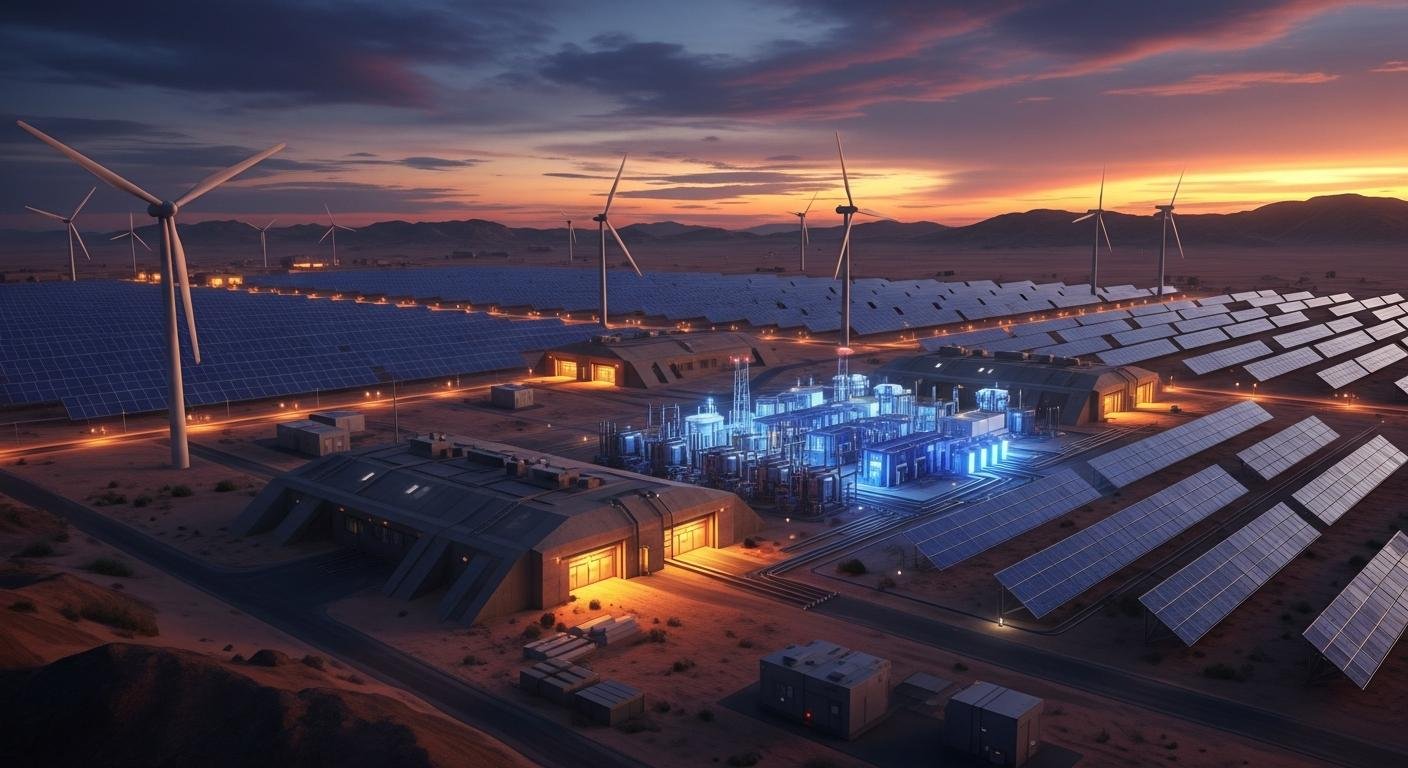
Israel must treat energy as a core security asset, not simply an economic input, if it is to withstand a prolonged war on several fronts. That means safeguarding supplies of electricity, fuel and gas, while also building alternative sources, strategic reserves, storage capacity and better protection for critical infrastructure. The argument is no longer theoretical: in a long conflict, access to energy can determine whether the state can keep fighting at all.
The same logic app...
Continue Reading This Article
Enjoy this article as well as all of our content, including reports, news, tips and more.
By registering or signing into your SRM Today account, you agree to SRM Today's Terms of Use and consent to the processing of your personal information as described in our Privacy Policy.
lies to munitions. Wars burn through missiles, interceptors, bombs, shells, drones, spare parts and electronic components at a pace that can quickly outstrip supply. Israel cannot afford a situation in which, at the very moment it needs to sustain operations, it becomes dependent on foreign factories and another government’s political calculations. That is why defence officials and researchers have increasingly pressed for a far larger domestic production base, deeper stockpiles and the ability to ramp up output rapidly in an emergency.
Recent reporting has underscored how serious that debate has become. According to Breaking Defense, Israel’s defence ministry signed agreements with Elbit Systems in January to secure munitions and expand raw material production, part of a broader push towards industrial independence. The Times of Israel has also reported that Prime Minister Benjamin Netanyahu said Israel would invest more than $100bn in an independent arms industry over the next decade. Those moves reflect a recognition that self-sufficiency in defence is moving from aspiration to necessity.
The wider military lesson is just as stark. Israel can no longer rely on the old model of a small force built around the assumption that future wars will be short, narrow and highly precise. A prolonged campaign across multiple theatres demands mass: land, air, sea, intelligence, air defence, cyber, logistics and a large reserve system. But reserves are not limitless, and readiness depends on preparation long before the first shots are fired.
That is why planners are being forced to think in broader strategic terms, including manpower, equipment, logistics and the full use of available human potential for combat and support roles. As Israeli experts told a recent JNS policy summit, close cooperation with the United States remains essential, but dependence on foreign states for critical security needs is increasingly a vulnerability rather than a convenience.
The same question must be asked about energy. Israel’s current fuel reserves are understood to be adequate for the moment, according to an energy expert cited by The Times of Israel, but reserves alone do not solve the deeper problem of resilience under pressure. In wartime, supply chains can be disrupted, costs can rise and infrastructure can be targeted. Long-term security therefore requires not just stocks, but redundancy.
The conclusion is unavoidable. Israel should continue to value its American partnership and intelligence cooperation, but it must also prepare for a worst-case scenario in which outside help is delayed, limited or unavailable. If that day comes, the country will need the capacity to keep operating on its own. Strategic independence, in that sense, is not a luxury. It is a condition of survival.
Source: Noah Wire Services