


Iran and Pakistan are actively pursuing enhanced agricultural collaboration and transport corridor integration to significantly boost bilateral trade, according to senior Iranian officials during recent high-level talks in Islamabad. The discussions, which took place on the sidelines of an official Iranian visit to Pakistan, outlined ambitious plans including joint cross-border rice cultivation and linking Pakistan’s China-Pakistan Economic Corridor (CPEC) to Iran through the strategic Chabahar Free Zone.
Reza Masrour, Secretary of Iran’s Free Trade, Industrial and Special Economic Zones High Council, proposed several initiatives aimed at deepening economic ties under a neighbourhood-focused policy. Among these proposals is a joint paddy farming project in Pakistan, with rice processing to take place in Iran’s Chabahar Free Zone. This plan is designed to address Iran’s severe water shortages while simultaneously expanding agricultural cooperation between the two countries.

Masrour also proposed the establishment of a joint free trade zone, the facilitation of multi-entry business visas, and a broader strategic vision to connect CPEC—with its extensive infrastructure network aimed at linking China to Gwadar Port and onward through Pakistan—to Russia and Europe via the International North–South Transit Corridor (INSTC). These transport corridor integrations aim to unlock new trade routes that could substantially increase economic activity in the region.
Pakistan’s Commerce Minister Jam Kamal Khan welcomed the proposals, acknowledging their potential to expand the current bilateral trade volume, which is estimated to be around $3 billion. The two sides appear committed to leveraging their shared cultural and historical ties to catalyse joint production efforts and scale up trade.
The proposed economic synergy between the two countries aligns with broader regional infrastructure initiatives. CPEC, a flagship project for China’s Belt and Road Initiative, involves a $62 billion investment aimed at constructing a 3,000 km network to enhance trade and energy supply routes between China and the Middle East. Integration with Iran through Chabahar could extend CPEC’s reach, facilitating trade access to Russia and Europe and creating alternative transit corridors beyond Pakistan.
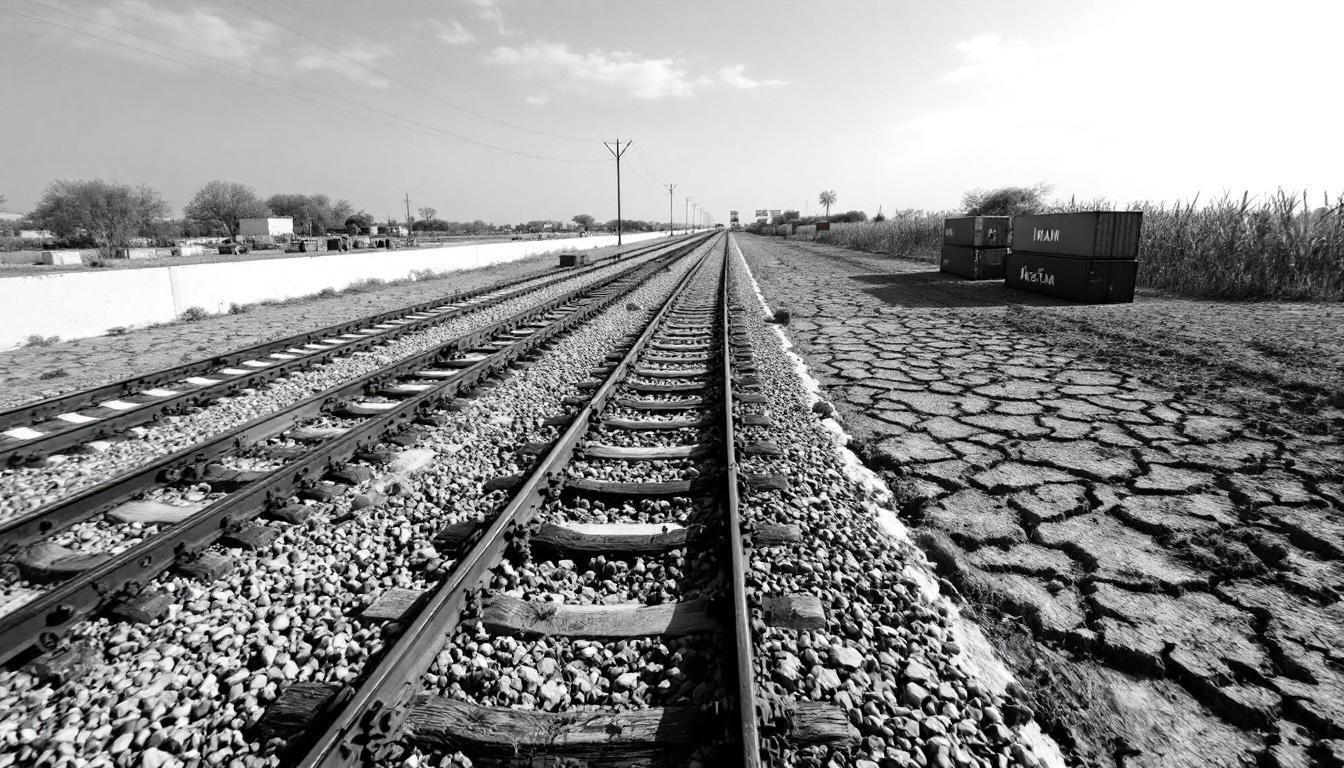
Significantly, the Rimdan Marketplace in Pakistan’s Dashriari city is poised to play a crucial role in linking Iran with CPEC. Abdolrahim Kordi, Chief of the Chabahar Free Industrial Trade Zone Organisation, has highlighted the marketplace’s potential to serve as a connective hub between the two’s economic corridors. He emphasized plans for a Chabahar-Gwadar railway passing through the Rimdan border, with an initial phase encompassing 130 hectares, which could dramatically enhance logistics and trade flow between Iran, Pakistan, and beyond.
This growing focus on transport corridor integration complements ongoing efforts under CPEC’s second phase, where significant investments are being directed toward modernizing Pakistan’s agriculture sector. Around Rs83 billion have been allocated for projects covering capacity building, agricultural processing, and technology extension—all factors that could synergise with Iran’s agricultural interests and alleviate resource constraints such as water scarcity.
Furthermore, both nations are keen to expand trade volumes much further. Previous meetings have targeted increasing bilateral trade to $10 billion annually, with discussions focused on overcoming bureaucratic hurdles, improving transport infrastructure, expanding direct flights, and enhancing connectivity through initiatives such as leisure cruise lines.
In summary, the emerging Iran-Pakistan partnership emphasises agricultural collaboration, strategic infrastructure development, and transport corridor integration with a clear ambition to expand bilateral trade dramatically. By connecting Pak-China economic corridors through Iran’s Chabahar port and linking further to international markets, the two countries aim to unlock new regional trade dynamics, addressing mutual challenges such as water scarcity and fragmented infrastructure, while opening pathways to increased economic prosperity.
Source: Noah Wire Services

