**London**: Intelligent transportation systems are crucial in enhancing global supply chains, optimising logistics, and reducing trade costs. As the market expects significant growth, innovations in AI and IoT are driving efficiencies in freight management, last-mile delivery, and sustainable practices, despite challenges in implementation.
In the context of evolving global commerce, Intelligent Transportation Systems (ITS) are becoming increasingly significant, integrating advanced communication, control, and information technologies into transportation networks. This integration plays a vital role in optimising traffic flow, mitigating congestion, and enhancing the logistics of supply chains.
According to a report by Transparency Market Research, the global intelligent transportation system market is forecasted to achieve a compound annual growth rate (CAGR) of 10.22% from 2025 to 2035, potentially reaching a value of approximately USD 124.8 billion by 2035. This anticipated growth is primarily attributed to advancements in artificial intelligence (AI), the Internet of Things (IoT), and smart mobility solutions.

A core element in the transportation of goods is freight management, where ITS technologies are making considerable strides. Intelligent freight systems allow logistics companies to monitor cargo conditions, optimise routing, and automate warehouse operations, thus reducing transit times and increasing reliability. These systems aid businesses in minimising delays, thereby ensuring timely deliveries.
Supply chain efficiency is also being dramatically enhanced through the application of ITS. As global business operations expand, the intricate nature of supply chains necessitates advanced management solutions. Real-time tracking capabilities enable companies to monitor shipments closely, which lessens uncertainties and bolsters coordination among suppliers, manufacturers, and retailers. Furthermore, smart traffic management systems, powered by AI analytics, can foresee traffic patterns and advise adjustments to routes that avert potential bottlenecks, thereby enhancing delivery efficiency.
The overarching impact of ITS on trade costs cannot be understated. The implementation of automation and optimisation technologies significantly reduces the expenses associated with transportation. This is achieved through lowered fuel consumption, diminished vehicle wear and tear, and streamlined operational processes. Smart fleet management systems also contribute to this by proactively scheduling maintenance, which decreases breakdown incidents and prolongs asset lifespans. Additionally, the advent of digital freight platforms and blockchain-based tracking solutions is fostering greater transparency in trade, leading to expedited customs clearance and more efficient operational processes.
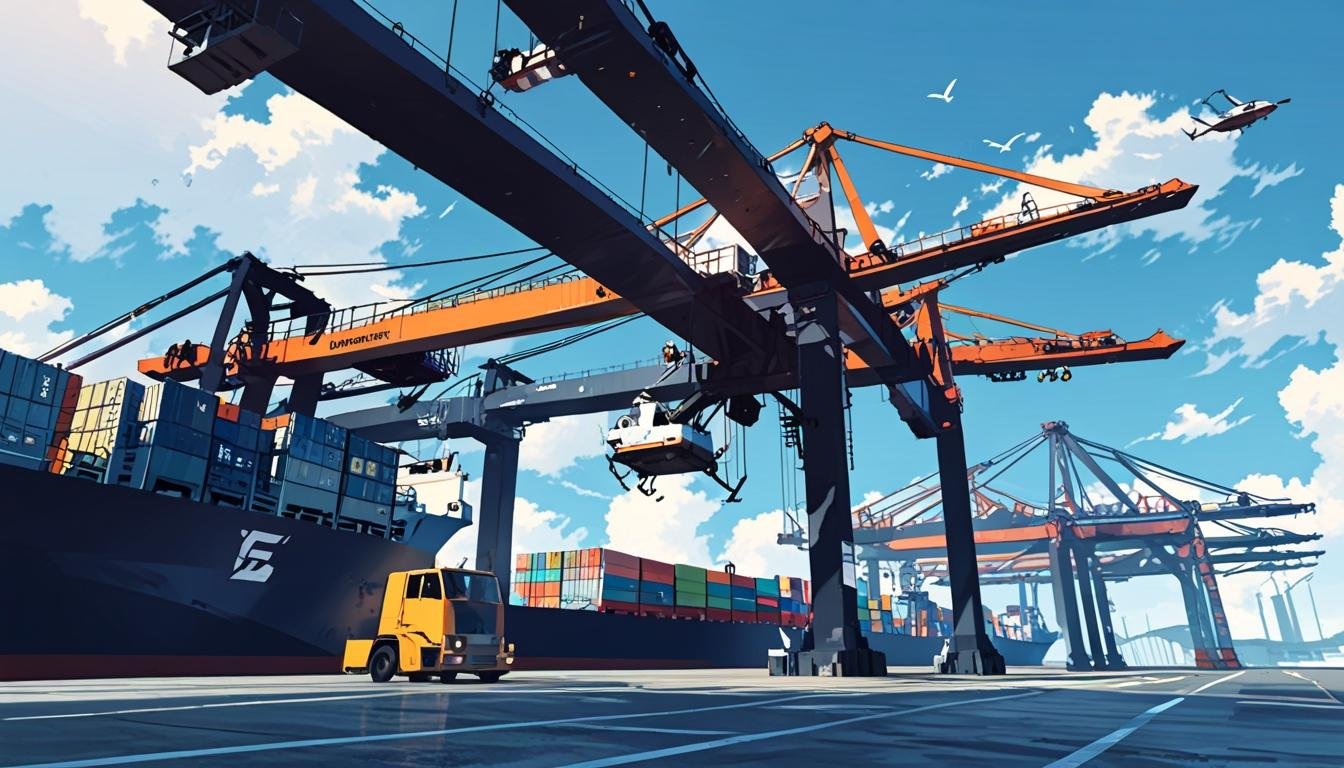
The maritime trade sector, particularly within ports, is undergoing significant transformation due to ITS. Smart port technologies, such as automated cranes and AI-driven container tracking, are improving operational efficiencies and reducing turnaround times. Automated customs clearance systems are also contributing to this progress by digitising documentation and expediting the inspection process, thus strengthening border security and enabling the seamless flow of trade.
The surge in e-commerce has increased the demand for effective transportation and logistics solutions, where ITS plays a pivotal role in last-mile delivery. Innovations such as smart routing, autonomous delivery vehicles, and drone technology are facilitating quicker deliveries while concurrently reducing operational costs and environmental impacts. Real-time data analytics empower e-commerce firms to manage inventory more effectively, ensuring product availability aligns with consumer demand.
As sustainability becomes an essential consideration in global trade, ITS is contributing to greener transportation initiatives by optimising fuel consumption and encouraging the adoption of electric and autonomous vehicles. Smart traffic management systems help alleviate congestion, which subsequently reduces the carbon footprints associated with trade-related transportation. Additionally, ITS promotes multimodal transportation solutions that integrate various types of freight, thereby fostering sustainable logistics networks.
However, challenges persist for the widespread adoption of ITS. High implementation costs, data security issues, and the complexities associated with interoperability between different systems can obstruct progress. Nevertheless, substantial investments from both government and private sectors are focused on developing smart infrastructure to address these challenges.
The outlook for ITS in trade remains optimistic, with continued advancements in technology poised to enhance efficiency and security further. Innovations such as AI, 5G connectivity, and blockchain are anticipated to play crucial roles in the evolution of trade. The potential adoption of autonomous trucks and hyperloop transportation technologies, alongside the development of smart warehouses, could lead to a revolution in supply chain logistics and contribute to a more interconnected and intelligent global trade framework.
With ITS reshaping trade practices by optimising supply chains and improving operational efficiencies, the landscape of global commerce is set to become increasingly connected and streamlined.
Source: Noah Wire Services