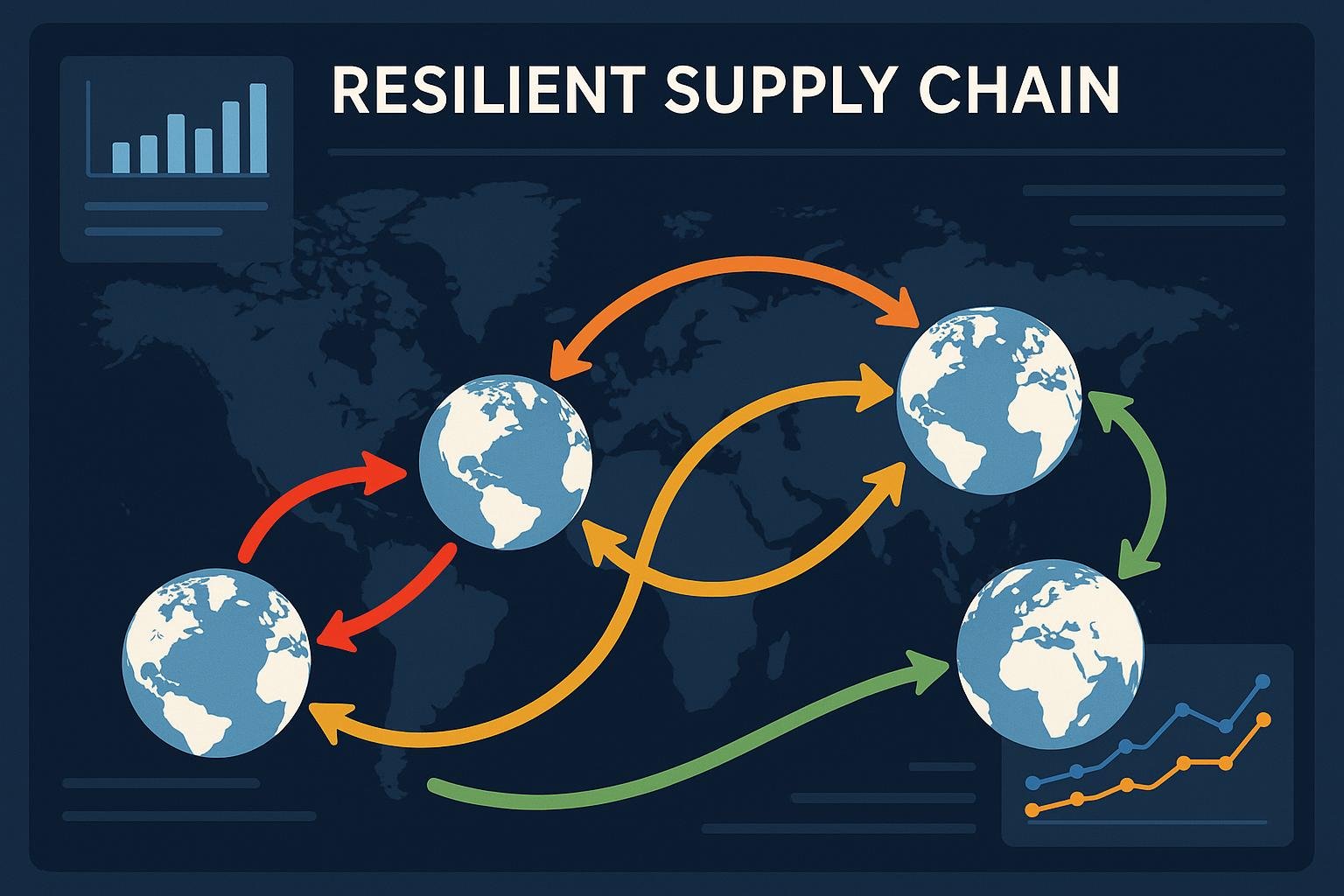
With supply chains becoming increasingly complex, organisations are leveraging digital platforms and structured processes to transform SRM from a cost-focused task into a strategic driver of resilience and innovation.

Organizations can no longer overlook effective supplier relationship management (SRM). According to the HICX blog, as supply chains grow more complex and exposed to global shocks, SRM is the mechanism by which organisations reduce cost, control risk and ex...
Continue Reading This Article
Enjoy this article as well as all of our content, including reports, news, tips and more.
By registering or signing into your SRM Today account, you agree to SRM Today's Terms of Use and consent to the processing of your personal information as described in our Privacy Policy.
At its core SRM is the end-to-end process for engaging suppliers, from selection and onboarding through governance, performance management and longer-term collaboration. The HICX commentary stresses that success combines strategic oversight with repeatable, day-to-day tools and clear ownership across procurement, finance, legal and operations.
Segmentation to focus effort
HICX explains that supplier segmentation is the foundation of prioritised SRM. Grouping suppliers by spend, strategic importance, supply risk and historical performance enables teams to deploy scarce resources where they matter most. Typical tiers , strategic, critical, leverage, bottleneck and transactional , determine engagement cadence, governance intensity and investment in joint initiatives. Industry practice shows segmentation should be revisited as spend profiles and risks change.
Strategy, governance and roles
A formal SRM framework defines classification thresholds, governance structures, decision rights and engagement protocols. According to the HICX blog, clear role mapping and documented escalation routes reduce ambiguity and accelerate decision-making. Strategic planning sets measurable objectives for supplier relationships, what value is expected, how risk will be managed and how maturity will be assessed over time.
Performance measurement and continuous improvement
Tracking supplier outcomes against agreed KPIs translates intent into tangible results. HICX highlights common metrics such as on-time delivery, quality defect rates, cost variance and risk incidents, and recommends regular scorecards and review cycles. Consistent measurement not only surfaces problems early but also creates incentives for improvement; high-performing suppliers can be rewarded with greater collaboration or commercial opportunity.
Collaboration, trust and joint development
Moving beyond transactional interactions, joint problem-solving, shared forecasting and co-development initiatives deepen partnerships and reduce disputes. The HICX analysis emphasises that trust grows when commitments are honoured, issues are resolved promptly and both parties invest in mutual improvement. Organisations that formalise collaborative programmes frequently see faster innovation and more resilient supply outcomes.
Risk oversight and resilience
Ongoing supplier risk management is a continuous discipline. HICX recommends regular risk reviews that consolidate inputs from internal teams and third-party risk providers, and that inform mitigation planning for financial, regulatory and geographic exposures. Segmentation and risk assessment together determine which suppliers require detailed contingency planning.
Technology as an enabler
According to HICX, digital SRM platforms are critical to scaling disciplined supplier management. Technology centralises supplier data, orchestrates workflows, integrates with contracts, ERP and procure-to-pay systems, and powers dashboards that surface underperformance and compliance gaps. Moving away from email and spreadsheets to structured digital processes reduces response times and supports global, multi-stakeholder oversight.
Practical elements of implementation
HICX outlines pragmatic steps to turn SRM theory into practice: set quantifiable goals (for example cost, lead-time or quality targets); allocate budget and capacity; standardise onboarding and compliance checks; design scorecards and alerting; schedule recurring risk reviews; and formalise communication rhythms such as monthly operational meetings and quarterly strategic reviews. Periodic plan reviews ensure SRM remains aligned with evolving business priorities.
What success looks like
When organisations embed segmentation, strategic alignment, clear metrics, collaborative routines, continuous risk oversight and enabling technology into daily operations, SRM shifts from a cost-control exercise to a capability that drives stability and competitive advantage. The HICX commentary concludes that disciplined SRM yields stronger partnerships, lower total cost of ownership and greater resilience in an uncertain, global marketplace.
Source: Noah Wire Services
Subscribe to Industry Updates