


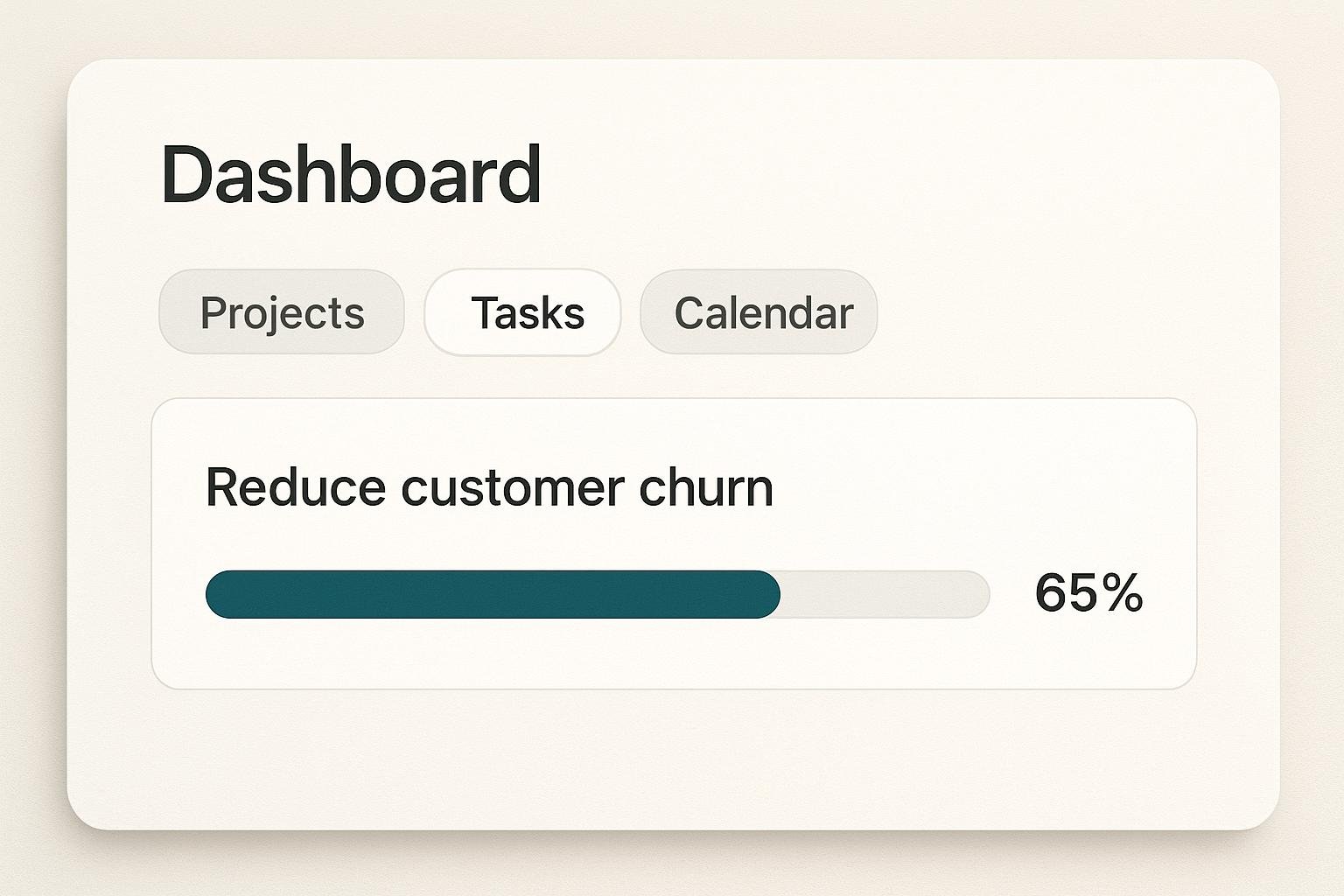
A B2B project-management SaaS significantly cut monthly churn from 8% to just over 5% by implementing a straightforward, event-driven engagement approach that focused on visibility, value signals, and timely nudges.

Churn is the hidden drag on many SaaS businesses: a steady leak that can negate the best product and marketing efforts. According to the original report, a consultancy working with a B2B project‑management SaaS moved that needle in six months by implementi...
Continue Reading This Article
Enjoy this article as well as all of our content, including reports, news, tips and more.
By registering or signing into your SRM Today account, you agree to SRM Today's Terms of Use and consent to the processing of your personal information as described in our Privacy Policy.
The change was deliberately unglamorous: not a full machine‑learning overhaul but a disciplined, engineering‑led approach to instrumenting value, scoring customer health, and automating timely, contextual outreach. The consultancy framed the problem as one of visibility and timing. Customer success was reactive; product logs captured activity but not signals of value; and every user received the same generic onboarding. The remedy was to convert product events into actionable signals.
Instrument value, not vanity
The first step replaced login counts and pageviews with a small set of “value events” that correlated with long‑term success: projectCreated, teamMemberInvited, taskCompletedWithComment, integrationConnected and reportGenerated. A lightweight JavaScript event stream , implementable via Segment, Mixpanel or a custom endpoint , provided a single, consistent feed of these value‑driving actions.
According to the original report, the quality of instrumentation was crucial: consistent naming, timestamps and contextual properties (plan, role, URL) turned scattered product logs into a reliable behavioural source of truth for customer success.
A simple, interpretable health score
With events normalised, the team built an interpretable health score. Rather than a black‑box model, they used a weighted, time‑decayed heuristic where heavier weight was given to stronger signals (for example, team invitations and integrations) and scores reduced as inactivity mounted. Scores were bucketed into “Healthy”, “At‑Risk” and “Critical”, enabling the customer success team to prioritise accounts at a glance.
The consultancy emphasised editorial distance about causality , the score does not “prove” why an account will churn, but it exposes leading indicators that allow for timely intervention. Industry data shows that even simple heuristics, when well‑designed, can outperform ad hoc, reactive processes by surfacing the right accounts earlier.
Automate the right, contextual nudges
Where the model added value was in action. Webhook listeners or serverless functions triggered playbooks when users’ scores fell , not to spam, but to deliver narrowly targeted, helpful interventions. An example cited in the report: a user who set up a first project but never invited a teammate would, after seven days, receive a personalised “invite your team” email explaining the collaborative features and linking to a quick guide. The consultancy built multiple such playbooks for common friction points, letting automation handle routine nudges while human CSMs focused on strategic, high‑value accounts.
Outcomes and operational impact
The reported outcomes were both quantitative and operational. Monthly churn allegedly fell from 8% to just over 5%, driving increased Monthly Recurring Revenue through retained customers and more opportunities for expansion. The customer success team shifted from firefighting to proactive account management, using the health dashboard to allocate human attention where it mattered most.
Putting the case study in context
The approach aligns with a broad set of retention practices recommended across the industry. Thought leadership and practitioner guides repeatedly stress the same pillars: proactive education (knowledge bases, webinars), personalised onboarding, early‑warning systems that monitor engagement metrics, and segmentation of feedback to surface product‑specific issues. Several sources highlight complementary tactics the case study did not emphasise but that can amplify results: flexible pricing and contract options (including “pause” features and downgrade paths), targeted discounts for at‑risk customers, dedicated account managers for high‑value accounts, and community‑building to increase product stickiness.
Practical takeaways for builders
From the combined evidence, three practical principles emerge:
- Instrument value, not just activity: define the 3–5 actions that signify real customer value and ensure they are tracked consistently.
- Start simple and interpretable: a weighted, decaying health score is easy to build, explain to stakeholders, and iterate against actual outcomes.
- Automate with context and human escalation: use automation to deliver timely, personalised nudges, and reserve human effort for accounts that require nuanced intervention.
The consultancy’s case is a reminder that effective retention work often lives at the intersection of product instrumentation, simple analytics, process design and thoughtful automation. Industry guidance confirms that these technical measures are most effective when combined with proactive education, flexible commercial options and a customer‑centric operating rhythm. Churn may never be eradicated entirely, but by turning product behaviour into early signals and acting on them rapidly, SaaS teams can materially improve retention and the long‑term health of their businesses.
Source: Noah Wire Services
Subscribe to Industry Updates

