


**Washington**: With new tariffs on steel and aluminium set to take effect, experts warn that the horticultural sector may face rising costs and reduced growth. Industry leaders highlight potential inflationary pressures and the uncertainties surrounding imported materials as growers brace for economic repercussions.
With just ten days remaining until the anticipated new tariffs on imports of steel and aluminium into the United States take effect, uncertainty looms over the horticultural sector. Industry experts collectively agree that food prices are unlikely to decrease, and the prevailing unrest may hinder the horticultural industry’s growth.
On February 10th, U.S. President Donald Trump signed proclamations imposing a 25-percent tariff on steel and aluminium imports from all countries, a decision that rescinds previously established exemptions for allies including Canada, Mexico, the European Union, the United Kingdom, Japan, and South Korea. Two weeks after the announcement, ambiguity still surrounds the specifics of the rules governing these tariffs.

Abe Wiebe, Director of Sales and Co-Owner of Universal Fabricating, remarked, “Businesses on both sides of the Canadian and U.S. border must brace for economic ripples.” Universal Fabricating, which operates facilities in Kingsville, Ontario, and Sumner, Texas, finds itself facing both challenges and opportunities resulting from these tariffs.
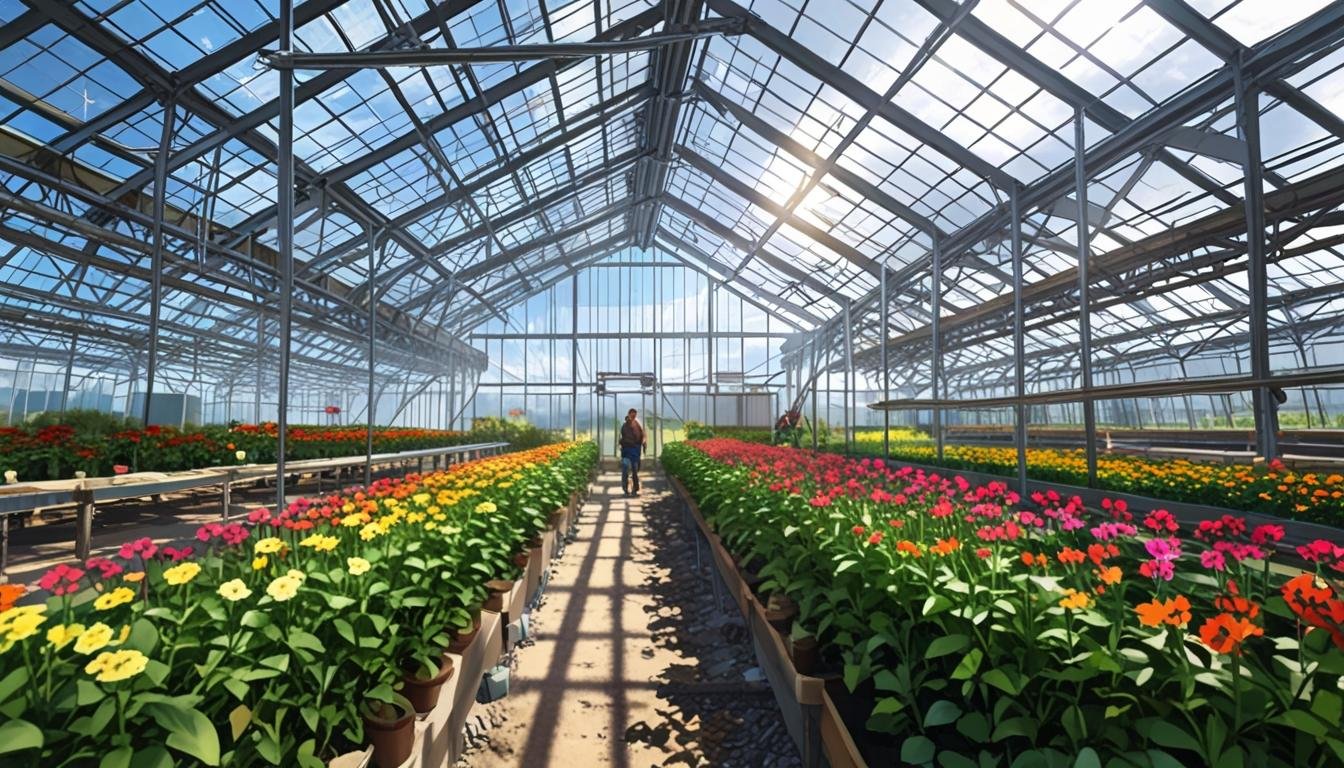
The tariffs are touted by Trump as a protective measure intended to bolster domestic industries against foreign competition. However, the financial strain on U.S. businesses reliant on imported materials could undermine their competitiveness. Wiebe added, “Higher import costs drive up expenses for manufacturers that rely on foreign materials, creating inflationary pressures and potentially resulting in retaliatory actions from affected trade partners.” Industries dependent on steel and aluminium, particularly greenhouse construction, could see immediate impacts. He further noted that increased material costs could compress profit margins, compelling businesses to either absorb the added expenses or pass them onto consumers, which might suppress demand and slow economic growth.
Vicente R. Basabe, Sales Manager for J. Huete Greenhouses in North America, pointed out that heightened investment in greenhouses due to tariff imposition could ultimately affect consumer prices across the horticultural, flower, food, and cannabis sectors. He stated, “It is still too early to know how much prices will increase, but they inevitably will.”
Amidst the looming deadlines, the situation for Canadian and Mexican tariffs remains precarious. The tariffs have been deferred until March 6th, but as Canada and Mexico are principal food suppliers to the United States, a price rise is plausible. While domestic producers might find support through increased prices, the costs imposed by steel and aluminium tariffs could negate these advantages, leading to higher production expenses. Many greenhouse supplies, such as seeds, peat, and LED lights, are sourced from Canada and beyond, thereby exacerbating the situation for U.S. growers. Consequently, the cost of cultivation in the U.S. appears set to rise.
The uncertainty in the market has already prompted growers to delay expansion plans across the U.S. and Canada, where economic unpredictability prevails. Barthelemy Richel from Richel Greenhouses in France expressed concern, stating, “It’s already very difficult to achieve healthy business operations in the U.S. The CAPEX is very high, and with these levies, it will go up another 15 percent.”
Reflecting on local growers, Basabe also noted the increased costs associated with greenhouse expansion, which are expected to be more pronounced if suppliers are based outside the U.S. The ripple effect extends to domestic suppliers as well, with any company relying on imported iron and aluminium facing escalated costs that could lead to reduced profit margins or increased pricing for consumers.
With Universal Fabricating’s presence in both Canada and the U.S., the company is positioned to adapt to changing market dynamics. Wiebe mentioned that their bi-national operations allow them to allocate production resources efficiently and mitigate tariff impacts by sourcing materials domestically when feasible.
However, uncertainty remains regarding the application of tariffs to complete food projects versus just raw materials, a factor that hinge on evolving federal or state regulations. Wiebe concluded by emphasising the importance of legal guidance to navigate these complex trade policies.
In light of these developments, the horticultural industry braces for the impending tariffs, which are anticipated to create ripples throughout the supply chain, affecting costs and operations in ways that are yet to fully unfold.
Source: Noah Wire Services

