


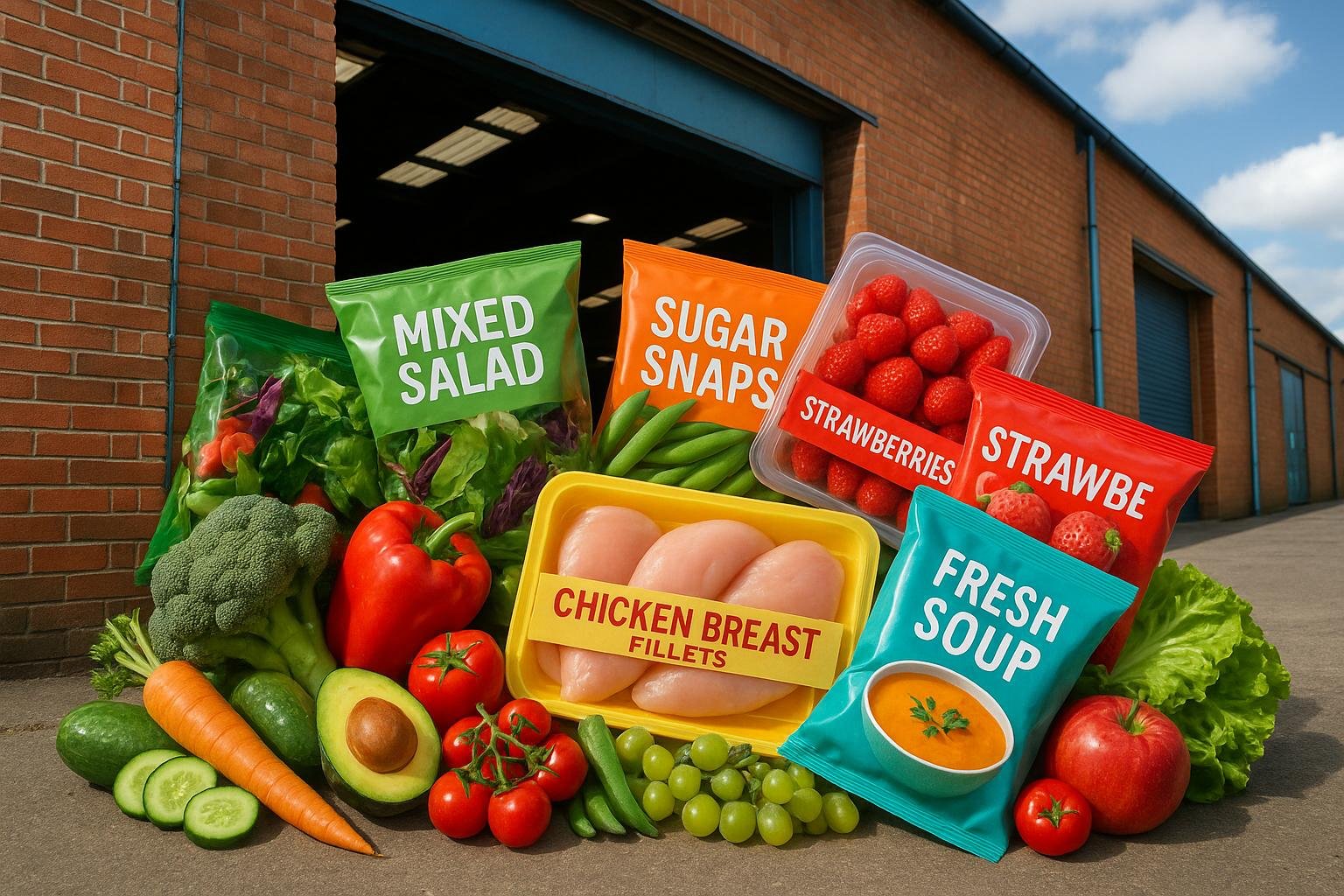
The £1.2 billion acquisition of Bakkavor by Greencore highlights a surge in industry consolidation amid evolving consumer demands, sustainability pressures, and supply chain challenges within the UK fresh prepared food sector.

The UK fresh prepared food manufacturing sector sits at the intersection of changing consumer lifestyles and a highly regulated, logistics‑intensive industrial system. Supplying chilled ready meals, salads, prepared vegetables and meal componen...
Continue Reading This Article
Enjoy this article as well as all of our content, including reports, news, tips and more.
By registering or signing into your SRM Today account, you agree to SRM Today's Terms of Use and consent to the processing of your personal information as described in our Privacy Policy.
Bakkavor Group has been a central player in that ecosystem. The company’s operational model is built around retailer‑led briefs: product development teams work directly with supermarket customers on specifications, seasonality and packaging while manufacturing sites are sited to support rapid, chilled distribution. Kalkine Media notes that Bakkavor’s activities span food preparation, product innovation and supply‑chain coordination, and that quality assurance, allergen management and traceability are embedded throughout its production processes , essential controls in a category where shelf life and temperature management determine product integrity.
The sector itself is sizable and growing. Government and trade reporting compiled by Food Manufacture values the UK food and drink manufacturing sector at £37 billion and employing nearly 500,000 people, with food and drink production accounting for almost a quarter of total UK manufacturing turnover. Broader production statistics show that prepared dishes and meals in the UK totalled roughly 869,000 tonnes in 2024, a modest rise on the prior year and part of a longer‑term trend of steady growth, according to market research from IndexBox.
Retail integration and supply‑chain complexity determine commercial outcomes. Bakkavor’s business model , supplying predominantly own‑label chilled lines to large retailers , depends on synchronised ordering, depot deliveries and packaging aligned with both shelf life requirements and retail sustainability targets. Kalkine Media points to the integrated supply network linking agricultural suppliers, ingredient processors and packaging manufacturers; industry observers highlight that Extended Producer Responsibility (EPR) changes and rising packaging costs are reshaping procurement and cost models, while inflationary pressures and trade frictions have dented business confidence, Food Manufacture reports.
Sustainability and waste reduction are rising business priorities. Bakkavor has publicly reported measurable progress on emissions, waste and responsible sourcing: Food and Beverage Business records that the group achieved an 18.9% reduction in Group net carbon emissions in 2022 versus the prior year, introduced quarterly Group carbon‑footprint analysis and set a Net Zero by 2040 ambition. The company also reported a 15.8% year‑on‑year reduction in food waste and increased redistribution of surplus food, while pledging zero net deforestation and conversion‑free sourcing for high‑risk materials by 2025. Bakery & Snacks noted Bakkavor’s commitment to source 100% cage‑free eggs and egg products in the UK by 2025 and across its operations by 2027, reflecting a wider industry shift led by major retailers and manufacturers.
These operational and sustainability credentials became a significant factor in corporate strategy during 2025. In April 2025 Greencore announced a £1.2 billion acquisition of Bakkavor, offering Bakkavor shareholders 85 pence in cash plus 0.604 Greencore shares per Bakkavor share, a package described by FoodBev and Grocery Gazette as representing a 32.5% premium to Bakkavor’s closing price. Greencore said the deal would create a combined group with enhanced operational efficiencies across manufacturing, distribution and supply‑chain functions; the acquisition was presented as a means to consolidate scale in a market where logistics density and retailer relationships drive margin improvement.
Market context is important when assessing what the transaction means for the chilled sector. Inclusion in indices such as the FTSE 350 has been a marker of scale and investor visibility for Bakkavor, but index classification does not determine day‑to‑day operational strategy; rather it frames how institutional investors and analysts view risk, liquidity and peer grouping. Industry data underlines that while production has grown over the past decade, margins remain sensitive to energy costs, labour availability and raw‑material price volatility , factors that acquirers and management teams cite when pursuing consolidation or operational synergies.
Looking ahead, the fresh prepared food category will be shaped by three linked pressures. First, retailer expectations for speed, quality and sustainability will continue to demand investment in cold‑chain infrastructure and traceability systems. Second, regulatory and fiscal changes , including EPR for packaging , will influence product design and cost recovery across the supply chain. Third, consolidation among manufacturers, exemplified by the Greencore‑Bakkavor deal, may accelerate as companies seek scale to absorb input cost volatility and to invest in decarbonisation, waste reduction and automation.
Bakkavor’s profile , a broad chilled product portfolio, deep retailer relationships and stated sustainability targets , illustrates how a specialist fresh‑food manufacturer operates within this landscape. As the sector adapts to tighter environmental obligations, rising input costs and evolving retail formats, the capacity to combine manufacturing excellence with responsible sourcing and efficient distribution will determine which players remain competitive in a market that is both strategically important and operationally exacting.
Source: Noah Wire Services
Subscribe to Industry Updates

