


**Global**: Disruptions in the rare earth supply chain from Myanmar, Chinese import drops, and ongoing cobalt export bans in the DRC mark significant geopolitical shifts in critical minerals. Europe and the US implement measures to secure resources amid rising tensions and technological advancements in recycling processes.
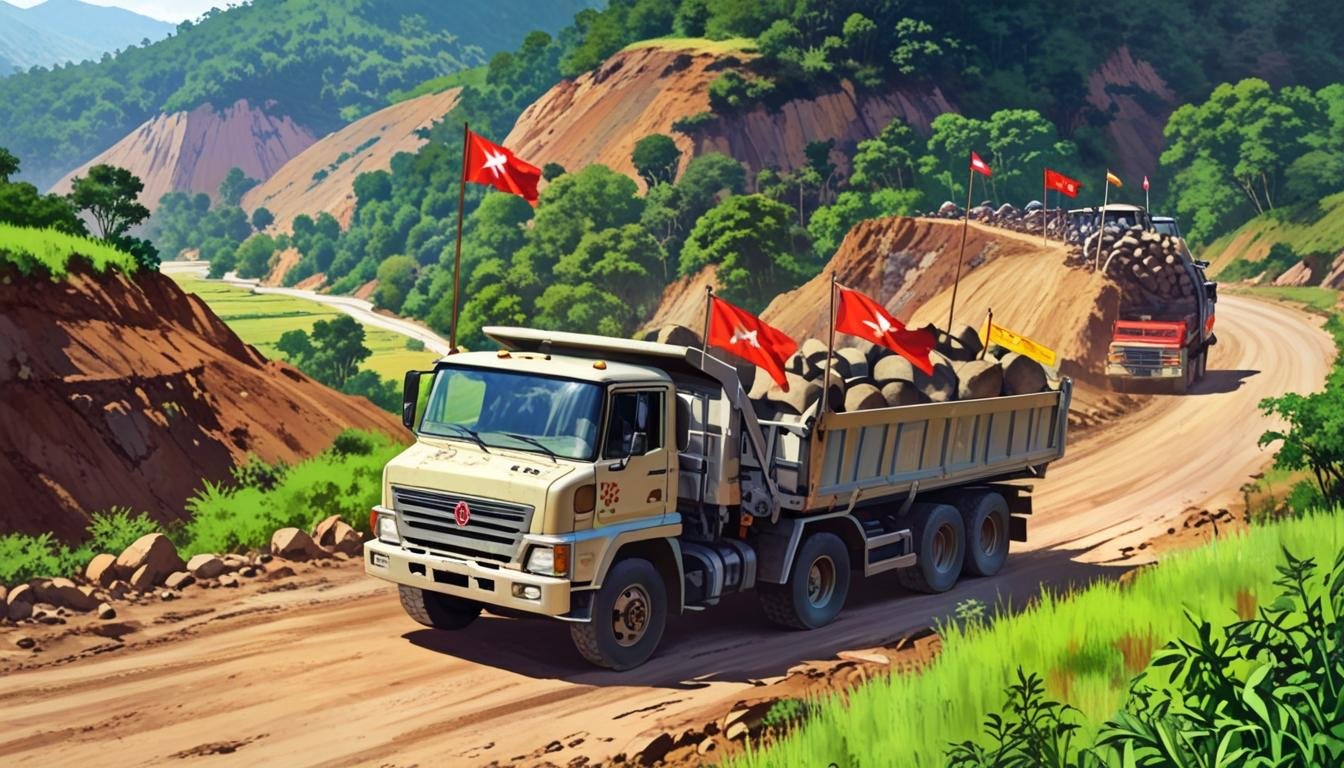
In recent developments, significant disruptions in the global rare earth supply chain have emerged from Myanmar, where the Kachin Independence Army (KIA) has taken control of a crucial mining region in northern Myanmar that is responsible for nearly half of the world’s heavy rare earth production. Following the seizure of the mine, the KIA implemented substantial taxes, effectively ceasing operations in the area. As a result, Chinese imports of these vital materials plummeted by 89% in February. Analysts suggest that this bold move is intended to exert pressure on Beijing, which has actively supported Myanmar’s military junta and invested heavily in the Kachin region. Reportedly, the KIA is attempting to assert its control and increase its leverage over Chinese support for the junta.
Meanwhile, geopolitical tensions surrounding critical minerals are escalating across various parts of the world. In the Democratic Republic of Congo (DRC), authorities hinted at the potential extension of an existing cobalt export ban, which has already resulted in a significant price increase of over 50%. The DRC’s government has linked the ban to a strategy aimed at stabilising the cobalt market amid a global surplus and prices falling dramatically. Furthermore, the DRC is considering a proposed minerals-for-security agreement with the United States, which could grant American firms access to its rich mineral resources in exchange for US military support. However, there are concerns that such a deal might draw the US deeper into the DRC’s intricate and volatile political landscape.

Additionally, in Europe, energy security continues to dominate discussions. The German nuclear industry group, Kerntechnik Deutschland e.V. (KernD), has advocated for the recommissioning of up to six closed nuclear reactors as a strategy to expedite the country’s coal phase-out, enhance power supply security, and stabilise the electrical grid. This push comes amid slow progress in renewable energy expansion and increasing reliance on fossil fuels and imports.
In the United States, President Donald Trump has enacted a series of measures aimed at reshaping the landscape for critical minerals. This includes implementing a 25% tariff on all imported vehicles and foreign-made auto parts, slated to commence from April 3. Industry insiders predict that these tariffs could lead to heightened manufacturing costs and increased vehicle prices, with potential repercussions on employment in the automotive sector. Coinciding with this tariff announcement, copper prices have reached record highs, with futures surging amid speculation about supply constraints and stockpiling activity. Trump’s executive order has also elevated potash to the status of a critical mineral, aiming to strengthen the US agricultural sector which is currently heavily reliant on imports.
Amid these geopolitical shifts, advancements in technology have also made headlines. Argonne National Laboratory introduced a new rotating packed bed system aimed at enhancing the recycling of used nuclear fuel and rare earth materials, reducing the risks associated with transportation and offering a more cost-effective processing approach. Such technological innovations could significantly impact how materials are sourced and managed amidst the shifting dynamics of the critical minerals sector.
Japan is also making moves in response to market conditions, announcing a temporary anti-dumping duty of 95.2% on Chinese graphite electrode exports, following a government investigation that confirmed the pricing practices of Chinese producers were detrimental to Japanese manufacturers.
As discussions around securing raw materials intensify, the European Commission has adopted a list of 47 Strategic Projects aimed at bolstering the EU’s raw material supply chain. These projects, spanning across 13 Member States and focusing on critical materials such as lithium, cobalt, and graphite, aim to bolster domestic production and recycling efforts by 2030.
These developments highlight the intricate interplay of politics, economics, and technology within the critical minerals landscape, underscoring the need for strategic positioning amid rapidly evolving global circumstances.
Source: Noah Wire Services

