


**London**: The fashion wholesale sector is grappling with changing consumer tastes, tariff uncertainties, and cash flow issues stemming from delayed payments. JOOR’s CEO Kristin Savilia highlights the cautious industry response while emphasising a trend towards independent retailers and the challenges faced by major brands in a shifting landscape.
Fashion wholesale is currently facing significant challenges due to an array of external factors, including changing consumer tastes, a polarized retail environment, and the complexities of a globally connected economy. This precarious landscape has been exacerbated by the looming threats of tariffs and persistent issues related to payment delays from major department stores.
JOOR, a business-to-business wholesale platform that has facilitated transactions worth $100 billion, is navigating these dynamic industry shifts and reporting mixed indicators for the future. CEO Kristin Savilia highlighted the vital concern surrounding impending tariffs that could potentially disrupt supply chains. Speaking to Karen Webster, Savilia elaborated on the industry’s cautious approach to these changes, stating, “The majority of [brands] are not being very proactive, if I’m being honest. I think they’re taking a wait-and-see approach. But it’s a fact that uncertainty is sometimes worse than the actual [implementation] of what happens.”

This uncertainty is not limited to the brands themselves; it has extended to consumers. Recent PYMNTS Intelligence data indicates that over half of consumers are apprehensive about rising prices linked to tariffs, with 78% anticipating increased costs and potential disruptions in product availability. Although the first round of tariffs affecting Mexico and Canada may have a limited impact on the brands on JOOR’s platform, potential tariffs related to imports from China pose a more significant threat. Brands, from the likes of Walmart to luxury conglomerate LVMH, are expressing increasing concern about their manufacturing and sourcing ties in China.
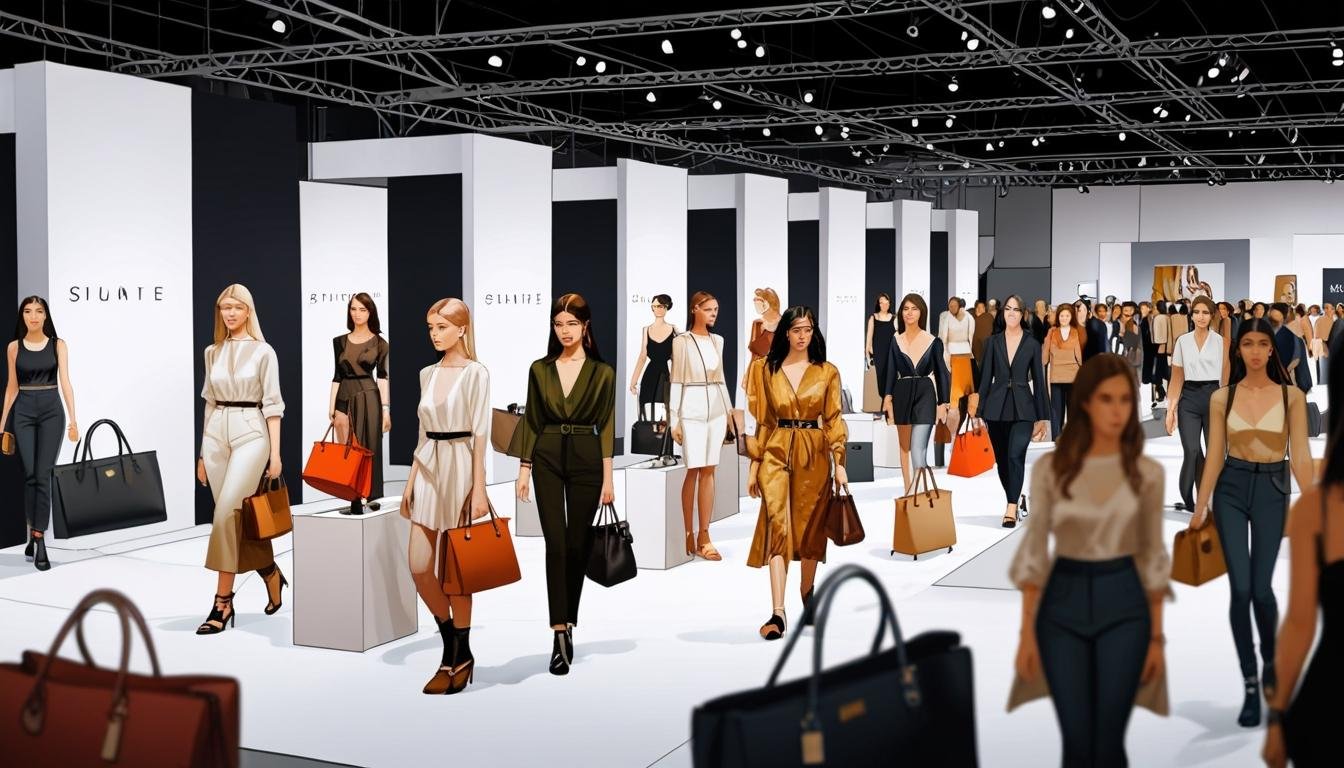
While industry executives may consider passing increased costs onto consumers through price hikes, Savilia challenges this approach. “We saw in our industry lots of price increases in ’22 and ’23, and we actually saw the leveling of that in ’24. I do not believe that price increases are going to be the answer,” she remarked. Evidence from JOOR’s platform supports this, showing a shift in consumer purchasing towards more affordable options, as reflected in the notable decline in the sale of high-end handbags priced over $1,000, whereas the $250 to $500 handbag market has seen growth.
Beyond the implications of tariffs, fashion brands are also grappling with payment delays from significant department store groups, presenting substantial cash flow issues. Savilia indicated that every brand she has interacted with has raised concerns about payment reliability. This situation has intensified following the announcement of a new payment schedule by a major luxury department store group, set to begin in July, which involves spreading payments over the course of twelve months. “Great that they’re going to get paid, but to start payments in July and then divide it by 12, it’s just really a tough nut for (fashion suppliers),” Savilia expressed, further noting that the restructuring included a mandate to reduce partnerships significantly, which has contributed to anxiety within the fashion community.
As a response to these evolving dynamics, JOOR has launched its Discover platform, which utilises transactional data to help brands form more productive connections with retail partners. Unlike traditional B2B marketplaces, JOOR Discover functions as a prospecting tool that provides extensive data on retailers, including store aesthetics and payment histories. “By enabling the brand, a digital way to go in and be matched with retailers in any region of the world, that would be a good fit for them, is new,” Savilia explained.
Data from JOOR has identified a trend towards independent retailers, with their share of gross merchandise value (GMV) increasing from 47% to 59% by the end of 2024. Savilia noted that the recent GMV increases in Q3 and Q4 were entirely driven by independent retailers, while department store engagement declined. The efficacy of JOOR’s matching capabilities has resulted in a 78% repeat business rate for connections made through the platform, significantly surpassing the industry standard of 20-30%. As Savilia pointed out, “For these brands, if they feel they need a more secure place to place their goods, where they’re going to get paid in a timely fashion, the independent retailer channel is growing and opening up.”
Despite these challenges, Savilia has exhibited cautious optimism as she enters 2025. After experiencing two consecutive quarters of GMV growth on the JOOR platform—2% in Q3 followed by a 9% rise in Q4—the luxury segment has seen brands reluctant to implement price increases for the first time in three years due to shifting consumer behaviours. Although brands like Hermès appear to remain unaffected by price sensitivity, many others in the luxury and contemporary sectors are now noticing concrete pricing limits.
As the fashion wholesale industry continues to adapt amidst these complexities, Savilia expressed a nuanced understanding of the ongoing evolution, remarking, “I have this love for the department store, but it’s definitely a different world, and the adaptation there just doesn’t seem to be happening as quickly as it needs to happen.”
Source: Noah Wire Services

