


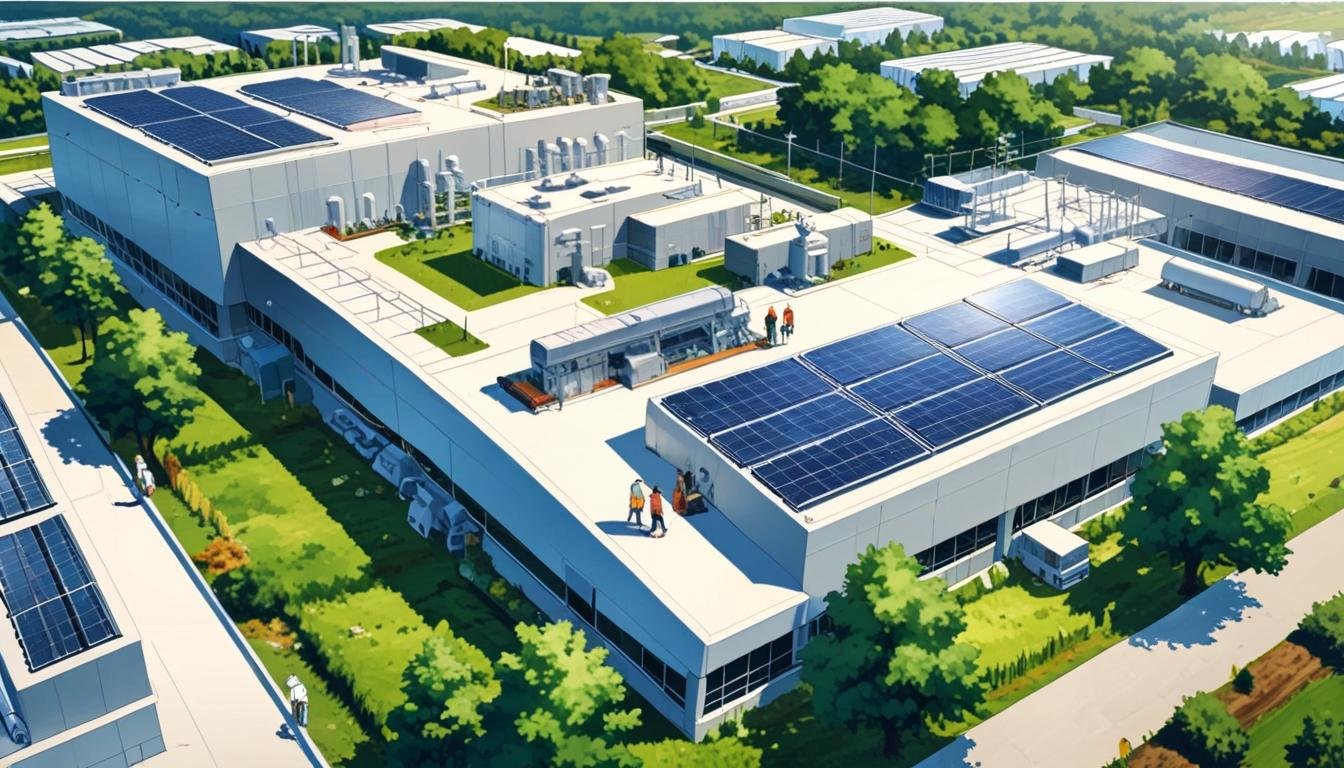
**Brussels**: The European Commission has announced the Clean Industrial Deal, a strategic initiative to increase industrial competitiveness, reduce energy costs, and promote clean technologies in energy-intensive sectors, while allocating substantial funds to support decarbonisation and sustainable practices across Europe’s industries.
The European Commission has unveiled a comprehensive plan dubbed the “Clean Industrial Deal”, aimed at bolstering the competitiveness and resilience of various sectors within the European industry. In light of significant challenges such as elevated energy costs and intense global competition, this initiative seeks to position decarbonisation as a crucial catalyst for industrial growth across Europe.
The announcement was made by President Ursula von der Leyen, who articulated the necessity of supporting European industries to navigate through obstacles that have hindered their growth, including soaring energy prices and burdensome regulatory frameworks. “Europe is not only a continent of industrial innovation, but also a continent of industrial production. However, the demand for clean products has slowed down, and some investments have moved to other regions,” she stated, adding that the Clean Industrial Deal aims to eliminate barriers that impede companies’ progress and make a robust business case for clean industrial practices.

The foundational elements of the Deal focus on two main sectors: energy-intensive industries and clean technologies. The first category encompasses industries that require immediate assistance to transition towards decarbonisation and electrification, particularly as they contend with unfair global competition and high operational costs. The second sector, clean tech, is deemed vital for driving future growth and industrial transformation, emphasising the importance of circular economy principles to optimise resource use and lessen reliance on external suppliers.
In outlining the strategy, the European Commission highlighted several specific measures to enhance the entire value chain, with tailored action plans set to roll out in the automotive industry by March, with subsequent plans for the steel and metals sectors in the spring. Additional actions for the chemical and clean tech industries are also anticipated.
Key objectives identified within the Clean Industrial Deal include:
-
Lowering Energy Costs: The Commission has launched an Action Plan on Affordable Energy intended to mitigate energy expenses for industries, businesses, and households. This plan includes accelerating the deployment of clean energy solutions, enhancing electrification, and improving Europe’s internal energy market.
-
Boosting Demand for Clean Products: The Industrial Decarbonisation Accelerator Act aims to elevate the demand for EU-manufactured clean goods by integrating sustainability and resilience as criteria in public and private procurement frameworks.
-
Financing Initiatives: The initiative has earmarked over €100 billion to bolster clean manufacturing within the EU, introducing a new Clean Industrial Deal State Aid Framework to facilitate quicker approvals for renewable energy projects. Moreover, a proposed Industrial Decarbonisation Bank could generate up to €100 billion, financing various clean tech initiatives.
-
Circular Economy and Material Access: The EU intends to enhance access to critical raw materials through mechanisms that enable companies to pool their demand, thereby negotiating better prices. A Circular Economy Act is also anticipated in 2026, aiming for a significant increase in the recycling and efficient use of materials.
-
Global Cooperation: Recognising the importance of international partners, the Commission plans to establish Clean Trade and Investment Partnerships to diversify supply chains and strengthen protections for EU industries against unfair global competition.
-
Skills Development: The Commission will launch a “Union of Skills” initiative, allocating approximately €90 million from the Erasmus+ programme to enhance skill development in sectors linked to the Clean Industrial Deal.
The announcement serves as a foundational framework shaping the European industrial landscape ahead of the 2050 decarbonisation goal. It builds upon extensive discussions with industry leaders and stakeholders, as evidenced by the Antwerp Declaration and the Commission’s previous dialogues surrounding the clean transition. The implications of the Clean Industrial Deal are expected to resonate across multiple sectors, ultimately influencing the trajectory of Europe’s industrial future.
Source: Noah Wire Services

