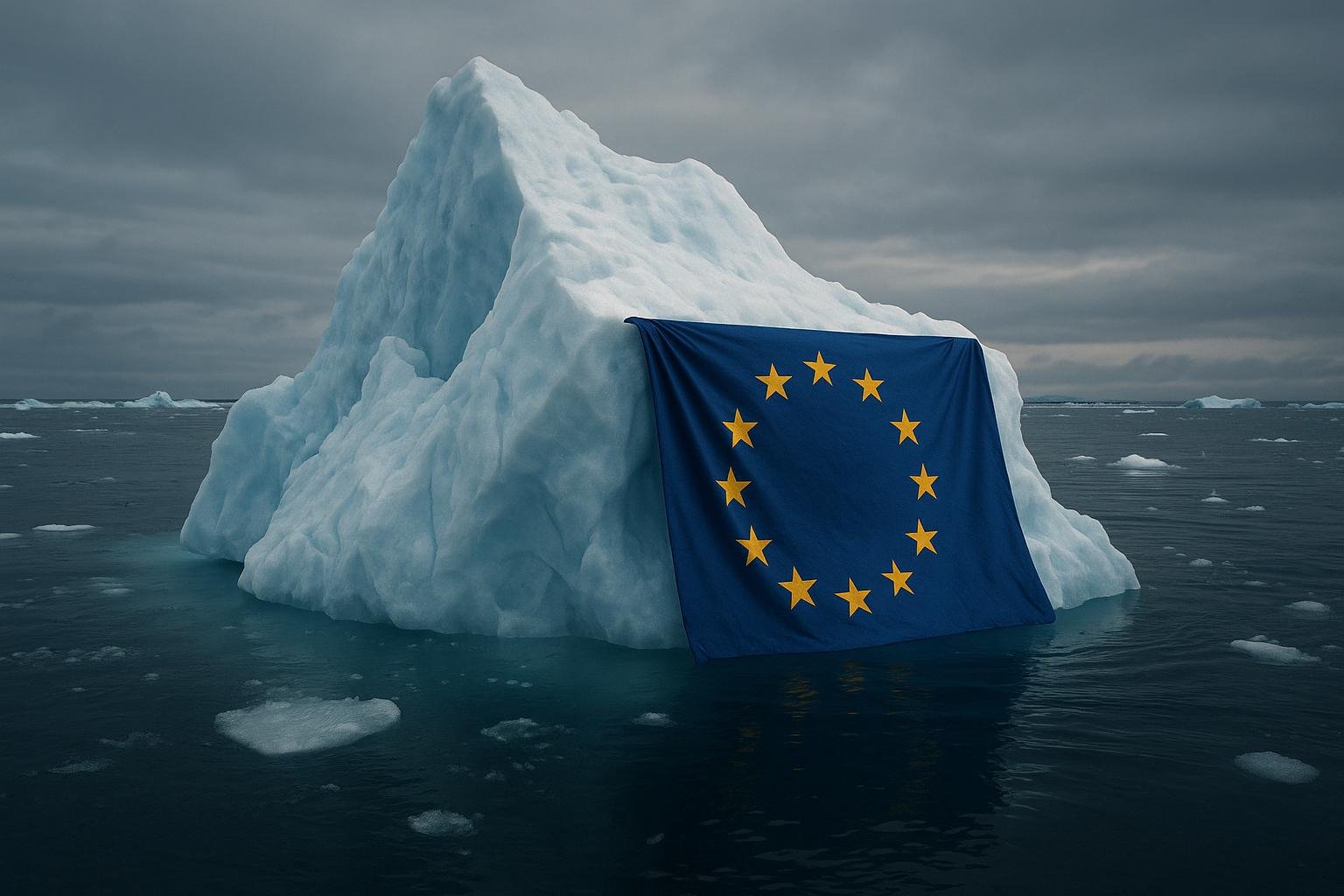
The European Union has pledged to defend itself against US tariff threats linked to Greenland, signalling a deepening transatlantic rift amid mounting tensions over trade and geopolitical priorities, including support for Ukraine.
European Council President Antonio Costa said the European Union is “ready to defend itself against any form of coercion” after U.S. President Donald Trump threatened tariffs over Greenland, signalling a deepening transatlantic dis...
Continue Reading This Article
Enjoy this article as well as all of our content, including reports, news, tips and more.
By registering or signing into your SRM Today account, you agree to SRM Today's Terms of Use and consent to the processing of your personal information as described in our Privacy Policy.
pute that Brussels says risks undermining broader cooperation.
Speaking on X, Costa said his consultations with member states on the latest tensions over Greenland had reaffirmed that the bloc remains “in support of and solidarity with Denmark and Greenland.” He warned that tariffs “would undermine transatlantic relations” and are “incompatible with the EU-U.S. trade agreement,” and said he would convene an extraordinary European Council meeting in the coming days to coordinate a response. According to Xinhua, Costa made the remarks on Jan.18.
The dispute intensified after President Trump posted on social media that the United States would levy a 10-percent tariff from Feb.1 on goods from eight European countries, rising to 25 percent on June1 and remaining until a deal is reached for the “complete and total purchase” of Greenland. The Financial Times reported that the EU is considering retaliatory measures, including hitting Washington with 93 billion euros worth of tariffs or restricting U.S. companies’ access to the bloc’s market.
Brussels’ warnings come amid sustained EU support for Ukraine, underscoring the alliance’s broader geopolitical priorities even as it confronts a separate confrontation with Washington. According to the Council of the European Union, the Ukraine Facility, which entered into force on March1,2024 and provides up to €50 billion in grants and loans for 2024–2027, continued to deliver disbursements through 2025. On Dec.11,2025 the Council approved a sixth payment of approximately €2.3 billion to Ukraine aimed at bolstering macro-financial stability and the functioning of public administration. That followed a fifth payment of over €1.8 billion approved on Nov.4,2025 and a third disbursement in March2025 that brought total assistance close to €20 billion since the facility began, according to Council press releases.
The juxtaposition of mounting EU financial support for Ukraine and the Greenland tariff row highlights competing strains on transatlantic ties: Brussels is signalling firmness against what it calls coercive trade measures while continuing to marshal resources for security and reconstruction in eastern Europe. The Financial Times’ report on possible €93 billion countermeasures, if pursued, would represent a major escalation in trade retaliation and complicate diplomatic efforts across multiple theatres.
The EU’s next steps will be watched closely in capitals on both sides of the Atlantic as leaders prepare for an extraordinary European Council meeting to coordinate a response to the tariff threat, and as Brussels balances defence of trade rules with ongoing strategic commitments in Ukraine.
Source: Noah Wire Services