


**Brussels**: The Association of European Vehicle Logistics (ECG) is addressing safety risks for truck drivers during vehicle loading and unloading, implementing a structured escalation process to resolve issues at retail locations and prioritise the health and wellbeing of drivers in the Finished Vehicle Logistics sector.
The Association of European Vehicle Logistics (ECG) is taking action to address safety concerns related to loading and unloading environments for truck drivers in the Finished Vehicle Logistics (FVL) sector. As part of a new escalation process, ECG aims to assist trucking companies that are experiencing difficulties resolving issues of unsafe unloading zones at retail locations. Frank Schnelle, the Executive Director of ECG, emphasised the critical nature of this initiative, stating, “If our members can’t solve the problem with unsafe unloading areas themselves, we will help them, and in cases when we don’t find a solution, we might have to suggest that the company stop delivering.”
The impetus for this initiative arises from a report published annually by ECG, which indicates a troubling trend: accidents and incidents occurring during the loading and unloading of vehicles at retailers now account for one in ten reported incidents. This finding underscores the pressing need for improvement in safety practices within the sector.

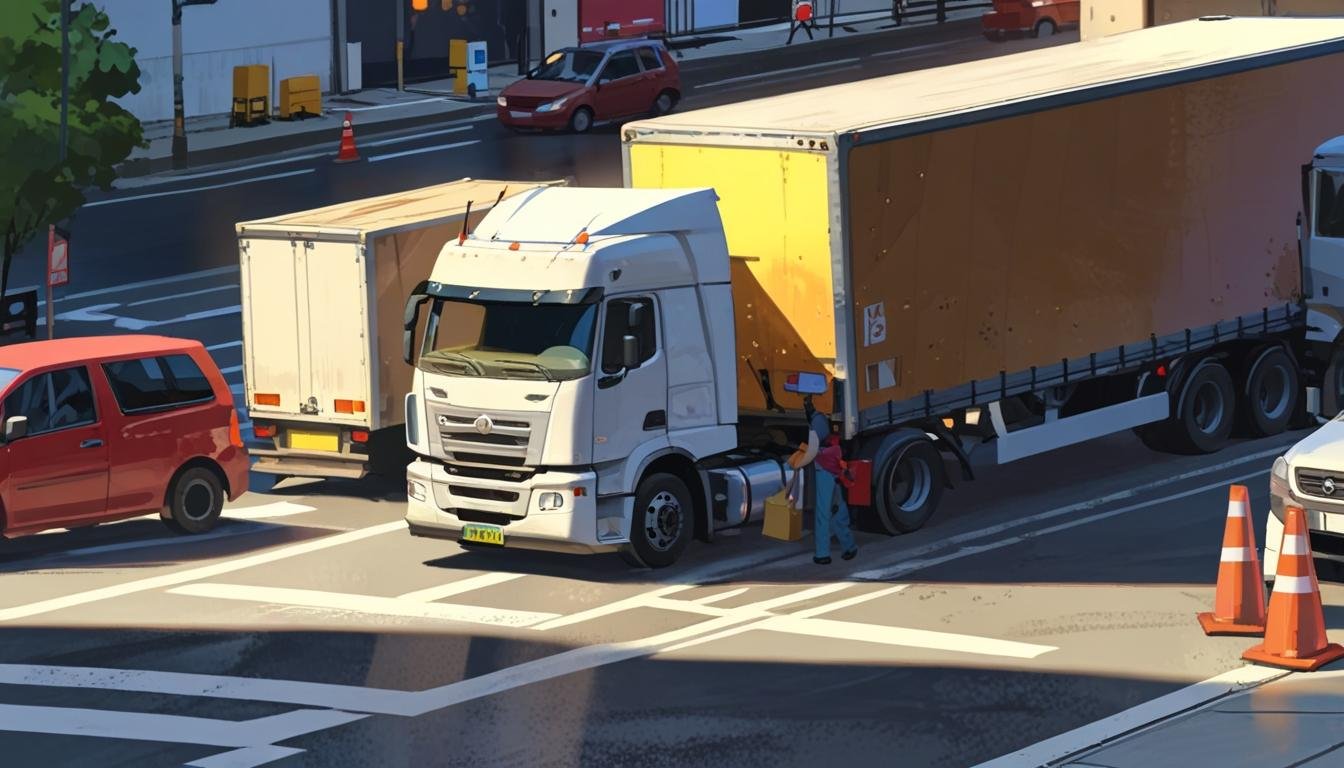
Logistics providers have noted that many unloading activities take place in unsafe environments, frequently occurring on busy streets where vehicles are permitted to travel at speeds of 50 to 70 km/h. The close proximity of passing vehicles to the drivers during these operations poses significant risks. Unlike other cargo types, drivers in the FVL industry are often required to unload vehicles on the street rather than in a controlled environment such as a warehouse ramp.
In response to these challenges, ECG is implementing a structured escalation process aimed at fostering safer working conditions. This process involves a step-by-step guideline for trucking companies. Johannes Alexander Hödlmayr, CEO of Hödlmayr International GmbH and leader of the working group dedicated to this issue, remarked, “I believe the process is essential to achieve our working group’s goal: improving our drivers’ safety and ensuring a safe working environment in the FVL sector.” He further noted the need for collaboration between original equipment manufacturers (OEMs) and ECG members to ensure that safety concerns are addressed effectively.
The escalation process consists of several stages. Initially, the trucking company must attempt to negotiate a solution directly with the local retailer. If this does not yield results, the second step involves engaging with the OEM to seek assistance. If these efforts remain unproductive, ECG will intervene to facilitate a dialogue with the OEM, leading to a possible recommendation for the trucking company to halt deliveries if necessary. Schnelle made it clear that this is a measure of last resort, stating, “We know that all stakeholders in the industry, both OEMs, dealers and logistic supply companies, want the best safety for the drivers, and I hope we never have to take the step of suggesting a company to stop unloading, but in the end, we need to prioritise the safety of the drivers.”
Both Schnelle and Hödlmayr expressed optimism that collaborative communication could lead to effective safeguarding measures for drivers. Hödlmayr highlighted the importance of a collective effort, saying, “If we can collaborate and find an actual solution approach, results will occur. We are talking about the health and wellbeing of people trying to do their job conscientiously – that is our only focus.”
This initiative represents ECG’s commitment to enhancing safety standards within the logistics sector, assuring that drivers working in challenging environments are better protected.
Source: Noah Wire Services

