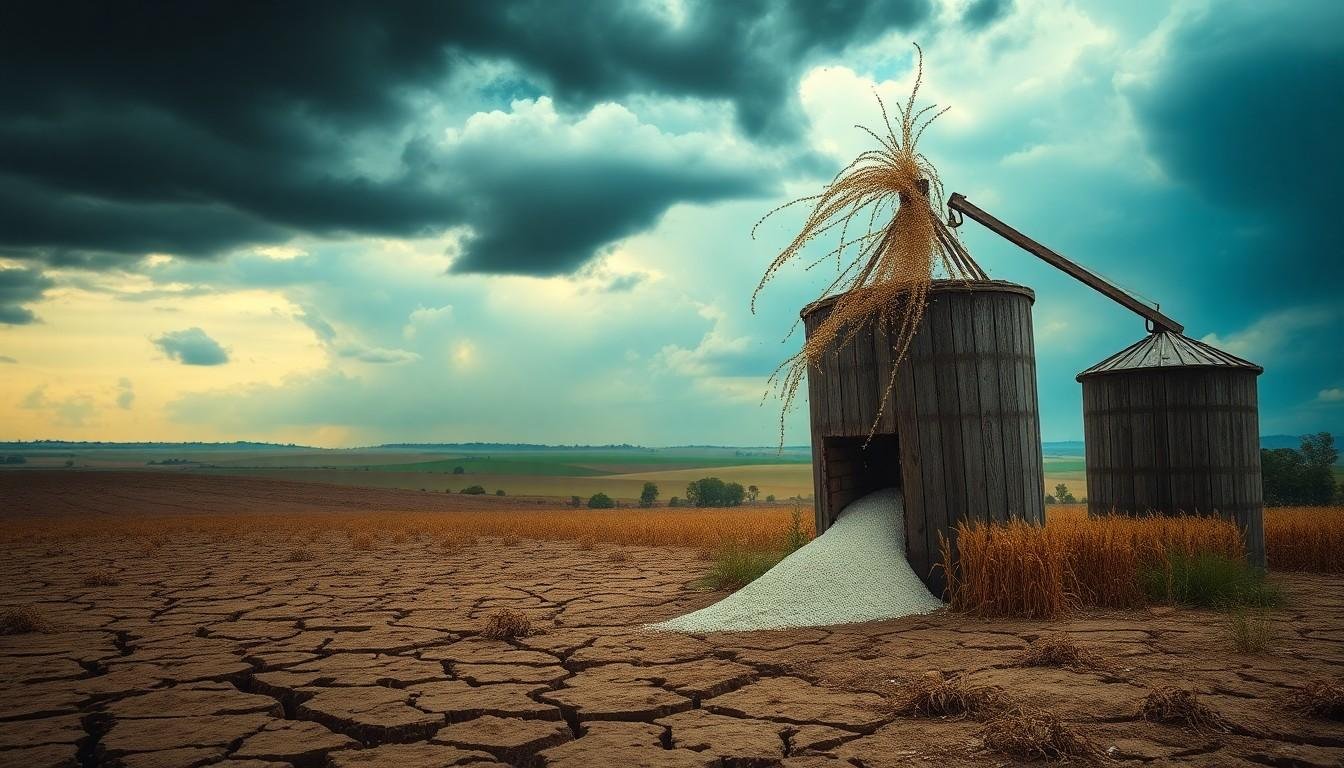
Global food security is coming under a tightening squeeze as climate shocks and war in Ukraine converge to unsettle grain supplies, inflate prices and deepen hunger risks in vulnerable countries.
Rice and wheat, the staples that underpin diets and social stability across much of the world, are once again at the centre of the pressure. According to the World Food Programme, a strong El Niño could leave as many as 274 million people in 45 countries acutely food insecure by the e...
Continue Reading This Article
Enjoy this article as well as all of our content, including reports, news, tips and more.
By registering or signing into your SRM Today account, you agree to SRM Today's Terms of Use and consent to the processing of your personal information as described in our Privacy Policy.
nd of 2027, underlining how quickly weather patterns can translate into hunger.
The danger is not confined to one region. The UK Met Office has warned of unusually warm sea temperatures that could intensify El Niño conditions, with knock-on effects for monsoon rainfall in Asia, harvests in West Africa and South America, and even shipping through routes such as the Panama Canal, where low water levels can force restrictions. The Food and Agriculture Organization and WFP have both warned that climate shocks are arriving alongside conflict and economic strain, creating a more fragile global food system.
Ukraine remains another major fault line. The long war has increasingly targeted agricultural infrastructure, from Black Sea shipping corridors to grain handling facilities, and the conflict continues to matter well beyond Europe because Russia and Ukraine are still central suppliers of wheat to many import-dependent countries in the Middle East and North Africa. Analysts at the Centre for Strategic and International Studies say Ukrainian exports have been squeezed over time, while Russia’s own agricultural outlook is now being complicated by weather disruptions and labour shortages.
The result is a system in which shocks reinforce one another. Higher fuel and fertiliser costs, extreme heat and transport disruptions are all feeding into food inflation, with wheat prices already running well above recent levels. JPMorgan analysts have estimated that a severe El Niño alone could add about 0.7 percentage points to global food inflation at its peak, a burden that falls hardest on households in poorer countries where food takes up a large share of spending.
Humanitarian agencies are urging earlier action. The FAO and WFP have launched appeals for funding and coordination to protect millions of people in high-risk countries, arguing that anticipatory measures can reduce losses before climate stress turns into a full-blown crisis. Their message is that the world is no longer dealing with isolated emergencies, but with a more systemic vulnerability in which climate, conflict and supply chains now collide.
For governments and markets alike, the response will need to be broader than emergency aid. That means stronger early-warning systems, investment in climate-resilient farming, better grain storage and more diversified supply chains. It also means keeping trade flowing, because when staple foods become scarcer or more expensive, the consequences are often measured not just in prices but in social unrest and political instability.
Source: Noah Wire Services