


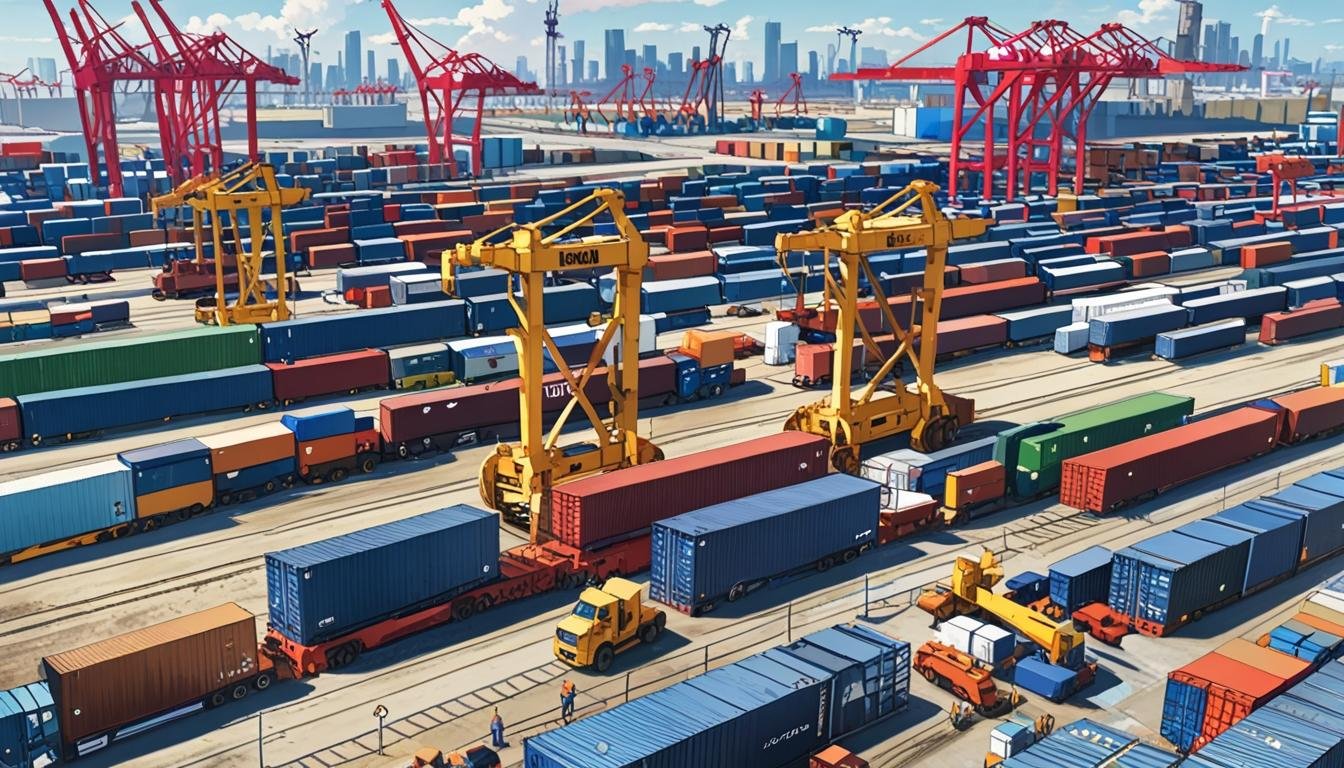
**North America**: Chassis manufacturers face a shifting landscape in 2025, adapting to post-COVID demand changes and economic factors. Insights reveal a balanced supply-demand dynamic, investment in new technologies, and ongoing challenges with global trade and tariffs influencing the market landscape.
Chassis manufacturers in the intermodal sector are experiencing a transformative period in 2025, as they navigate the complexities brought about by various geopolitical, economic, and business factors. Following a year of recovery throughout 2024, these manufacturers, like many in the global supply chain, are responding to changing market dynamics.
Val Noel, executive vice president and chief operations officer at Trac Intermodal, provided insights on the past year, stating, “2024 had its ups and downs. First- and fourth-quarter demand was a little bit stronger while the second and third quarters were not as strong. We were pretty satisfied with how the year played out. We saw things settle down so the year saw more tailwinds than headwinds.” The early summer peak season significantly contributed to this momentum, driven by shippers’ efforts to anticipate potential tariffs and address ongoing labour issues at U.S. ports.

The North American Chassis Pool Cooperative (NACPC), led by President and CEO Darren Hawkins, reported that 2024 was marked by “soft business levels… across chassis manufacturing, chassis leasing and pool operations, with the exception of Q4, which demonstrated a nice uptick in all segments compared to previous quarters.” Notably, following a robust performance from 2021 to 2022, there has been a post-COVID reduction in freight demand and an oversupply of chassis. Mike O’Malley, senior vice president for Direct ChassisLink Inc. (DCLI), highlighted the market’s complexities, noting, “There were approximately 100,000 chassis added to the marine/international intermodal market during COVID in response to the congestion- and dwell-driven disruptions, so it will take time for demand to catch up with that capacity.”
Paul Nazzaro, chief executive of Consolidated Chassis Management (CCM), observed that the chassis market in 2024 demonstrated a more balanced supply-demand dynamic when compared to the previous volatility. He noted, “Early in the year, we saw some lingering inefficiencies in the form of oversupply as users in a post-pandemic freight environment continued to refine their needs to support their supply chain.” He indicated that fluidity had improved on the West Coast, while certain inland regions continued to experience sporadic shortages of equipment, with an overall more stable situation on the East and Gulf coasts expected to persist into 2025.
Industry stakeholders remain focused on the economic landscape and interest rates, as these factors have a direct impact on the chassis market. Noel elaborated, “The overall economy and consumer demand has been resilient, but if the cost of living continues to increase and not decrease, then they are going to be paying higher prices for products off the shelf because of tariffs. That is going to weigh on consumer confidence.”
As of early 2025, Hawkins reported continued positive trends but acknowledged that standard 40-foot chassis remain in oversupply. Demand for lightweight and specialty chassis has been on the rise, which he noted during discussions with FreightWaves. O’Malley observed a muted domestic chassis demand following the COVID pandemic but expressed optimism. “Many of our customers have new container capacity that they hope to deploy as demand returns,” he said, highlighting DCLI’s significant fleet expansion of more than 60% since 2020.
In light of ongoing challenges, manufacturers are investing in their capabilities. For example, DCLI is enhancing its chassis service offerings to ensure readiness for a potential spike in demand, while CCM recently added its 12,000th new or refurbished chassis to modernise its South Atlantic Chassis Pool fleet, which offers a total of 45,000 chassis across multiple states. Meanwhile, the potential impact of global trade dynamics on the industry remains a point of concern; Noel noted that unresolved global issues could affect operational efficiencies.
Looking forward, Hawkins anticipates that 2025 will be shaped by shifts in freight patterns and domestic demand, particularly if truck spot and rejection rates continue to tighten. In this evolving landscape, technology remains a critical component of chassis provisioning. DCLI has announced plans to equip its domestic fleet, comprising over 140,000 chassis, with GPS technology to enhance customer service and maintenance programmes.
The post-COVID environment has undoubtedly reshaped the chassis market, requiring manufacturers to adapt to a world where demand patterns and economic variables continually fluctuate. As companies strive to position themselves effectively within this framework, developments in technology and strategic investments will likely play a pivotal role in their success moving forward.
Source: Noah Wire Services

