


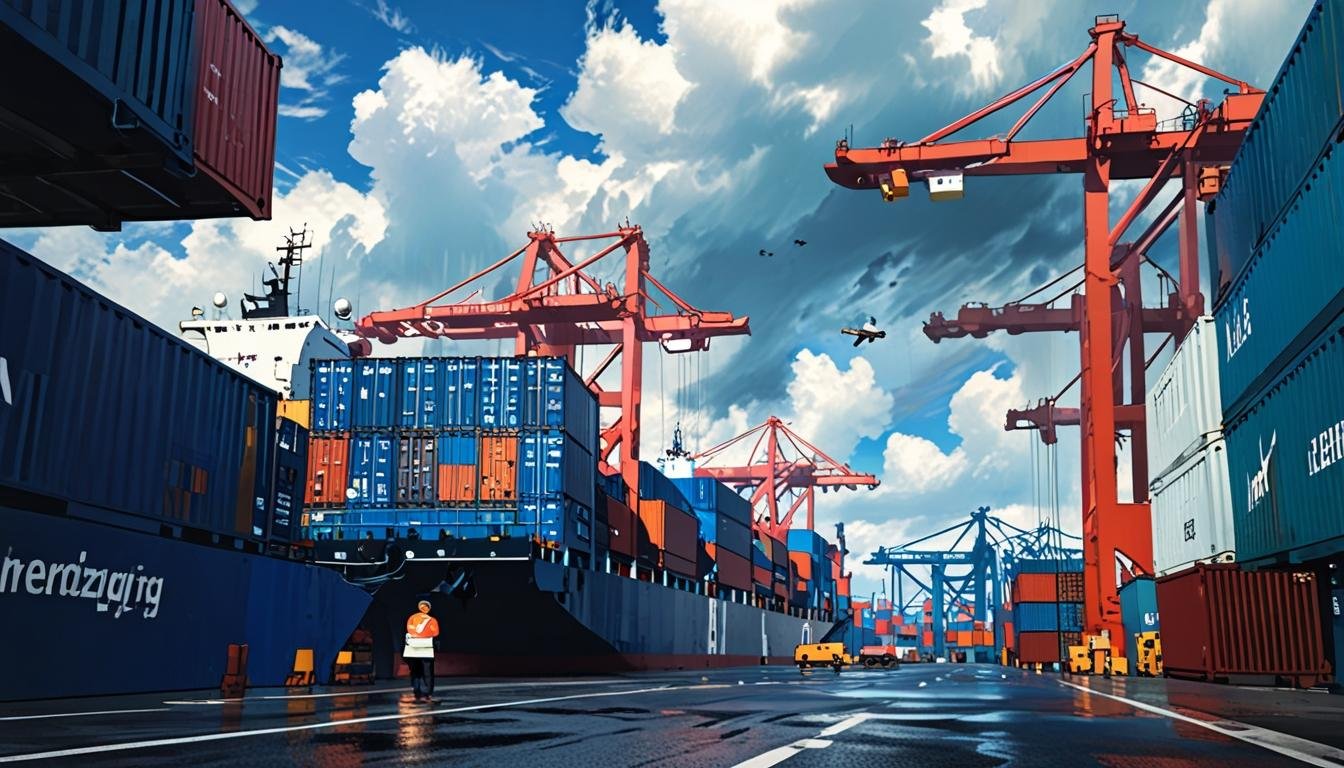
As businesses navigate the shifting tides of global trade, the complexities introduced by tariffs and the realignment of export priorities are becoming increasingly pronounced. According to a comprehensive analysis from Xeneta, a market intelligence company specialising in ocean and air freight, many firms appear hesitant to implement immediate changes in response to these dynamics. Instead, companies are resorting to a wait-and-see approach, monitoring competitors’ actions and seeking direction from within their business units before committing to significant adjustments.
Short-term strategies adopted by some businesses include frontloading shipments and utilising spot market opportunities, while shipping firms engage in scenario modelling to reassess contracts and stabilise their long-term forecasts. This cautious stance is not universal; larger players in key markets have begun pulling back on orders from major manufacturing hubs like China, with ramifications that could lead to further declines in shipping rates. The variety of responses underscores the complexities facing different sectors, particularly as businesses eye free zone warehouses for storage flexibility, allowing them to defer decisions until market conditions become clearer.

In the broader context of global trade, Southeast Asia is feeling the effects of China’s evolving export strategy. Chinese exports to ASEAN countries surged to 16.4% in 2024, raising alarms among regional manufacturers. Industries such as textiles and electronics are witnessing significant disruptions, with factory closures and layoffs becoming common due to aggressive pricing from Chinese imports. Despite some investments in sustainable technologies like electric vehicles, the oversupply of lower-cost goods has created economic instability across nations such as Thailand and Malaysia. There is a growing sentiment that ASEAN states may increasingly resort to protective industrial policies to safeguard local manufacturing, which could further complicate trade relations.
Meanwhile, recent developments in U.S.-China relations have prompted a flurry of activity in shipping sectors. A temporary truce on tariffs has resulted in a surge in container bookings from China to the U.S., reminiscent of the chaotic supply disruptions seen during the pandemic. As retailers like Walmart and Amazon scramble to replenish inventories, logistics companies are facing congestion at major ports, resulting in spot rate increases for shipping services. With apprehension over potential future tariff hikes, companies are strategically managing their shipments, weighing timing and cost against the uncertain backdrop of international trade policies.
Investor sentiment reflects this precarious environment. While recent equities rallies in the U.S. have been apparent, there are underlying concerns regarding long-term market stability due to erratic trade policies and an emerging trend towards de-globalisation. Analysts caution that continued tariff discussions may trigger volatility, making investors wary of reliance on U.S. markets. As the potential for renewed tariffs looms, particularly with a critical August deadline approaching, the spotlight remains on strategic decision-making by firms amidst these evolving patterns.
Looking forward, the impact of trade shifts and tariff policies on operational strategies must be scrutinised. Firms that leverage robust market intelligence to navigate these tumultuous waters stand to emerge more resilient. As the international landscape continues to evolve, understanding both immediate and long-term implications will be vital for businesses aiming to maintain competitive edges in their respective sectors.
Reference Map
- Paragraph 1, 2, 3, 4, 5
- Paragraph 3
- Paragraph 2, 6
- Paragraph 5, 6
Source: Noah Wire Services

