


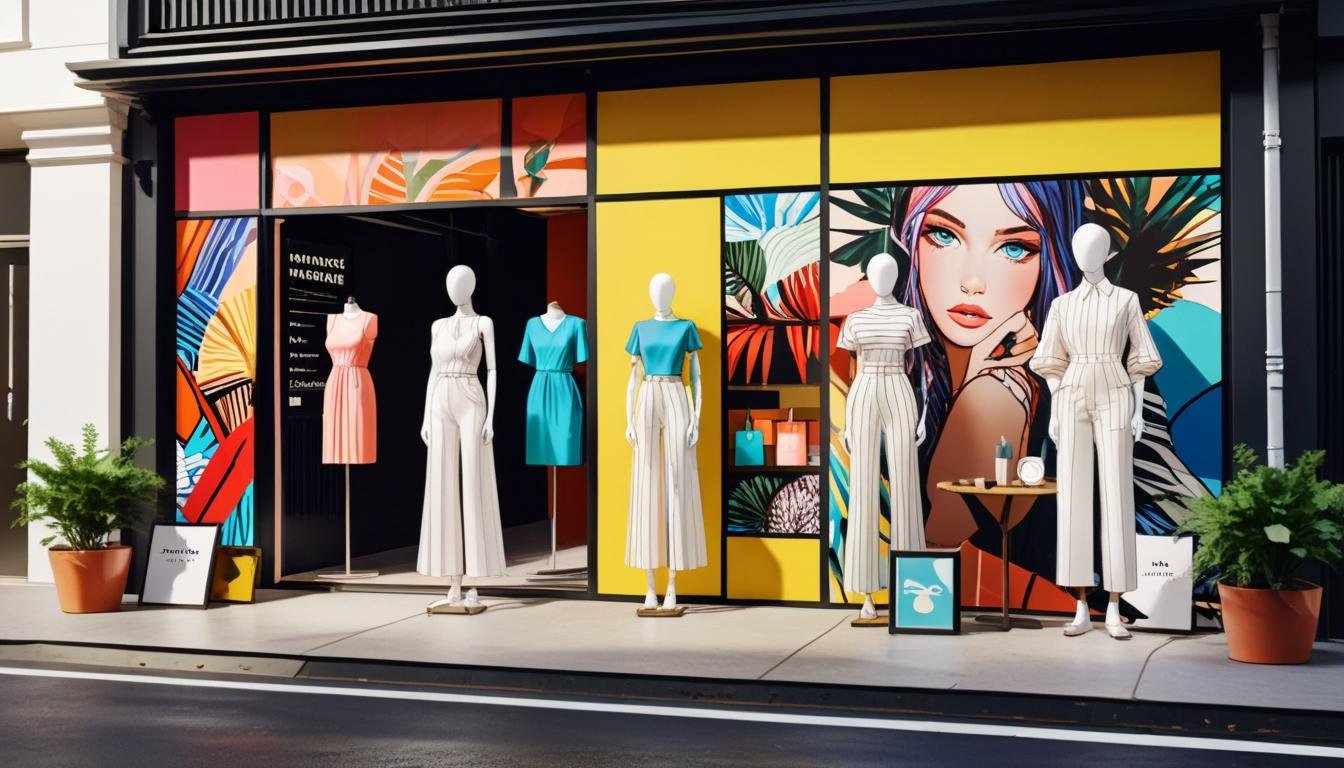
**Australia**: The Australian fashion industry experienced significant challenges in 2022, including high-profile brand closures and the rise of ultra-fast fashion. However, innovations in supply chain technology may provide local brands with opportunities to adapt and compete in a rapidly evolving market landscape.
The Australian fashion industry faced a tumultuous year in 2022, marked by significant challenges that have reshaped its landscape. High-profile closures, including those of noted brands like Dion Lee and Mosaic Brands, alongside IMG’s decision to withdraw from Australian Fashion Week, have stirred concern among stakeholders. The mounting pressures stem from various sources, including escalating operational costs, intensifying global competition, and evolving consumer behaviours.
A notable trend impacting the fashion scene is the surge of “micro-trends.” These ephemeral, rapidly changing fashion movements are largely propelled by social media platforms such as TikTok and Instagram. The frenetic pace of these trends has compelled brands to not only speed up their production cycles but also their delivery processes. In this high-speed arena, ultra-fast fashion entities like Shein and Temu have excelled, utilising advanced analytics and agile supply chains to seize market share. Local Australian brands, constrained by higher production expenses and slower logistics, are struggling to maintain competitive parity in this fast-evolving environment.

The dominance of fast fashion has significantly altered retail dynamics. Firms like Shein employ sophisticated data analysis techniques to forecast trends and expedite the manufacturing of fresh designs. Temu’s low pricing strategies have attracted a large number of budget-conscious consumers, placing additional pressure on traditional brands. Nonetheless, this shift may also present opportunities for Australian designers to differentiate themselves through quality and sustainability, aspects that often come under scrutiny in the fast fashion model.
Supply chain efficiency has emerged as a crucial factor for success in the current market. The expectation for swift and reliable delivery has escalated to the point where it is now deemed essential. Innovations in smart warehousing and automation have the potential to help local brands refine their operations, minimise delays, and enhance fulfilment speed. These advancements could allow Australian fashion labels to maintain their competitiveness against the overwhelming presence of global fast fashion giants.
Ferag, a company specialising in retail innovation, is addressing these challenges by offering scalable fulfilment strategies that cater to both brick-and-mortar and online operations. Their solutions are designed to enhance the speed and accuracy of logistics processes, thereby reducing overall labour costs.
Key innovations provided by Ferag include the Skyfall sequencing system, which pre-sorts items for efficient unloading directly onto store shelves, and the DoWarehouse smart fulfilment modules, which optimise the handling of inventory for e-commerce. These solutions not only enhance the speed of product restocking but also significantly improve space utilisation within stores, thus minimising the risk of lost sales.
Moreover, Ferag’s predictive loading feature allows businesses to manage peak demand more effectively. During busy periods, such as new product launches, their systems are programmed to handle high volumes rapidly and accurately, culminating in higher customer satisfaction and trust in brands.
As the industry grapples with soaring freight costs and sustainability concerns, Ferag’s technology also aims to streamline logistics. By logically grouping order lines and minimising unnecessary shipments, their solutions support both financial efficiency and ecological sustainability.
Investments in supply chain innovations, including Ferag’s DoWarehouse and Skyfall systems, are posited to enhance profitability while meeting consumer expectations. With these technologies, fashion brands can optimise their operations, reduce costs, and ultimately improve their financial resilience amidst ongoing market challenges.
In summary, the Australian fashion sector’s trials last year could serve as a catalyst for change and reinvention. By adopting cutting-edge technology and prioritising sustainable practices, local brands may not only navigate their current difficulties but also emerge as vigorous competitors in the global fashion arena.
Source: Noah Wire Services

