


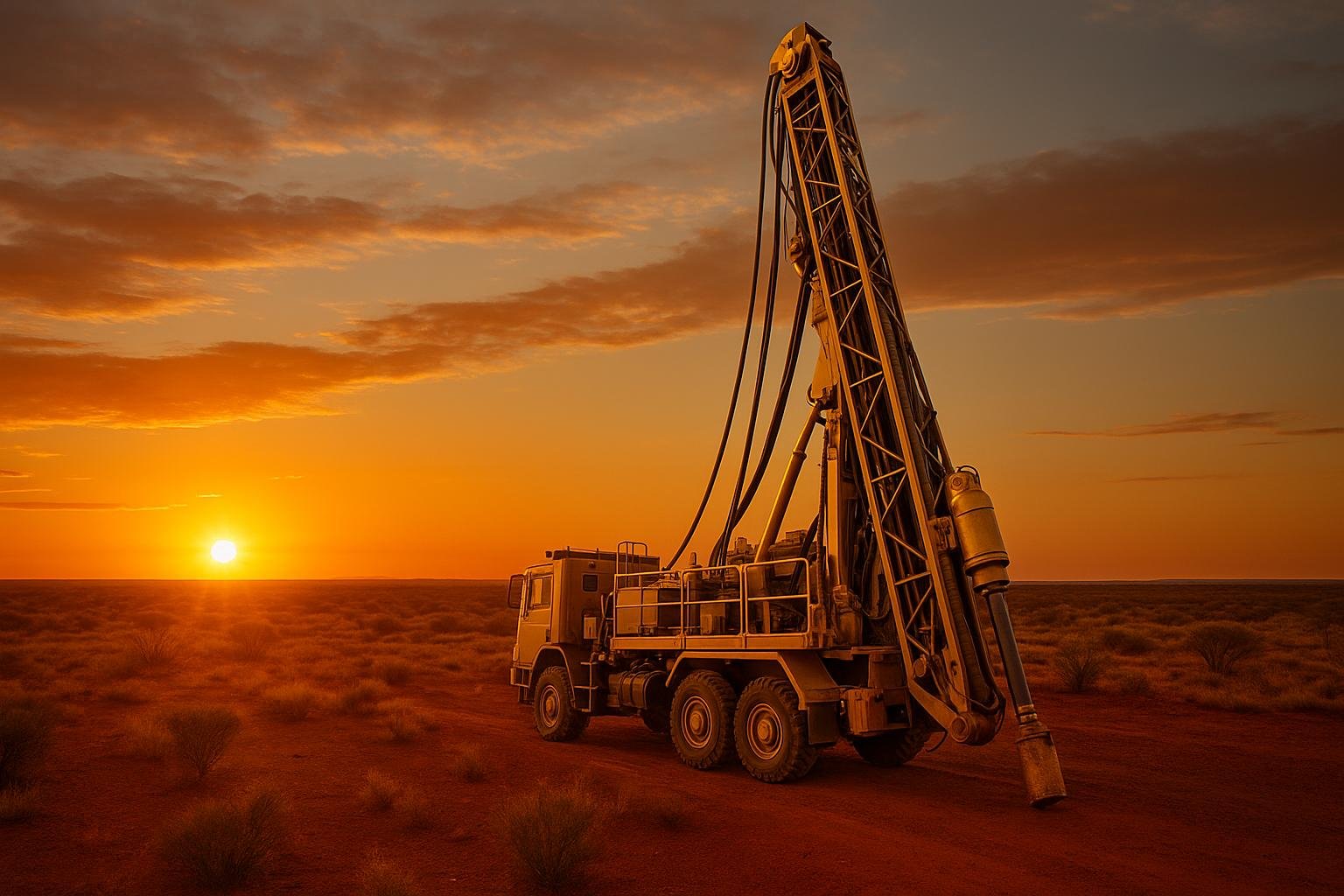
Australian small-cap stocks like Boss Energy, Fenix Resources, and GR Engineering Services showcase strategic growth amid sector-specific challenges, highlighting the importance of disciplined management and operational focus in navigating market volatility.

As the Australian market drifts into the quieter holiday months, attention often turns to the smaller, lower‑priced corners of the ASX where penny stocks can illuminate broader sector trends. Recent coverage by Ka...
Continue Reading This Article
Enjoy this article as well as all of our content, including reports, news, tips and more.
By registering or signing into your SRM Today account, you agree to SRM Today's Terms of Use and consent to the processing of your personal information as described in our Privacy Policy.
Boss Energy, which Kalkine Media describes as a uranium explorer and producer with operations in Australia and the United States, exemplifies the long lead times and regulatory complexity that mark the uranium sector. According to Nasdaq, Boss has been pursuing portfolio diversification in 2025, including a reported 30% interest in the Alta Mesa in‑situ recovery uranium project in Texas, a move intended to broaden production capacity beyond its South Australian assets. The acquisition and board changes noted in market commentary underline a twin imperative for companies in this space: manage capital structure carefully while positioning for a possible lift in demand linked to low‑carbon energy debates. Industry data and investor commentary show that uranium projects remain sensitive to policy settings and financing cycles, making resilience and clear capital plans central to investor assessment.
Fenix Resources is presented in Kalkine Media’s overview as a case study in the growing importance of logistics and integrated supply chains for iron ore producers. Company material and market pieces in December reinforce that positioning: Fenix operates mines, road haulage and port facilities in Western Australia’s Mid‑West and has pursued acquisitions to enlarge its footprint. Nasdaq and The Motley Fool both report strategic moves intended to scale output, including an off‑market proposal to acquire CZR Resources and earlier project wins such as the Weld Range and Robe Mesa initiatives. Those transactions, together with in‑house logistics at Geraldton Port and a road haulage fleet, aim to reduce the company’s exposure to third‑party bottlenecks and improve margin resilience. For investors focused on dividend prospects or cash‑flow stability, Fenix’s emphasis on staged production ramps and cost discipline frames it as an iron‑ore exposure that is attempting to deliver steadier returns than a simple price‑bet on commodity cycles.
GR Engineering Services represents a different small‑cap archetype: a project contractor supplying engineering, construction, automation and process control across resources projects. Kalkine Media notes the company’s diversified revenue mix across minerals and energy work. Market commentary and historical financial disclosures show that GR Engineering’s earnings tend to be project‑cycle sensitive; strong earlier returns have moderated as new contracts take shape and global demand patterns shift. The ongoing debate for such businesses is capital allocation , balancing shareholder returns against reinvestment to secure pipelines and maintain margins , a dynamic that shapes how investors judge growth prospects versus short‑term payouts.
Across these examples, common characteristics of penny‑stock companies recur. They typically have smaller market capitalisations, making share prices more sensitive to newsflow, contracts and leadership changes. Their durability often hinges on disciplined cash management, hedging or contractual arrangements that stabilise revenue, and governance that can handle the transition from developer to operator or contractor. Kalkine Media urges a fundamentals‑first approach: verified financial disclosures, regular operational updates and independent risk appraisal are the lenses through which these names are best evaluated.
Broader sector themes offer additional context. The uranium story is intertwined with energy‑transition politics and long project gestation; any near‑term re‑rating of companies such as Boss Energy will depend on concrete delivery milestones and financing clarity, not only sentiment. Fenix’s trajectory underscores how logistics , rail, road and port access , can be as determinative of outcome as ore grades. For engineering services providers, sustained order books and disciplined project execution determine whether earlier cycles of high returns can be replicated.
Investors poring over ASX penny stocks should therefore weigh company‑specific catalysts against structural risks: funding cycles, regulatory changes and commodity demand swings. Kalkine Media’s coverage, supplemented by Nasdaq’s reporting on Boss’s U.S. stake and The Motley Fool’s analysis of Fenix’s growth plans, suggests that the small‑cap space still offers differentiated exposures to secular themes , but that those opportunities come wrapped in execution and financing risks.
In short, Boss Energy, Fenix Resources and GR Engineering Services each illuminate a different pathway through the ASX’s smaller end: uranium supply and strategic diversification; vertically integrated iron‑ore production and logistics; and specialised engineering delivery for resources projects. For market participants, careful scrutiny of balance sheets, project timelines and the quality of contractual revenue remains the most reliable way to separate durable small‑cap prospects from short‑term speculation.
Source: Noah Wire Services
Subscribe to Industry Updates

