


**London**: The ongoing conflict in Ukraine has disrupted the global energy landscape, propelling Algeria to the forefront as a crucial gas supplier to Europe. With rising exports anticipated, Algeria’s stability and commitment could shape the future energy strategy of the European Union amidst geopolitical shifts.
The conflict in Ukraine, which began in February 2022, has significantly disrupted the global energy landscape, compelling European nations to urgently seek new gas suppliers. This situation arose in response to Western sanctions against Russia and substantial reductions in Russian gas deliveries to Europe. As a consequence, the European Union has grappled with skyrocketing energy prices and has been forced to reconsider its long-term energy strategy. Prior to the conflict, approximately 40% of Europe’s gas imports originated from Russia, marking a critical vulnerability that EU leaders have aimed to rectify through diversification of energy sources.
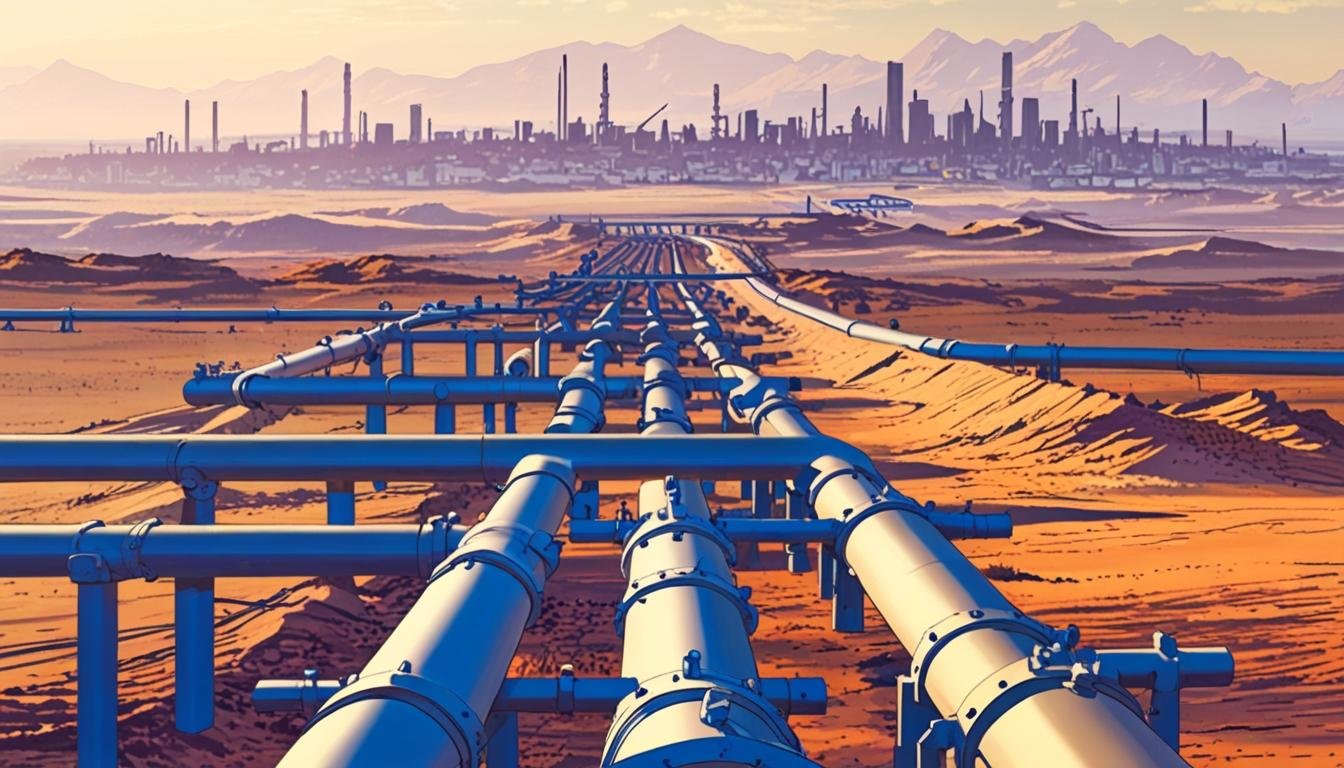
In this context, Algeria has emerged as a pivotal player in enhancing European energy security. With the tenth largest reserves of natural gas in the world, Algeria capitalised on the vacuum created in the European gas market. The country swiftly augmented its export capabilities to Europe via existing infrastructure. Notable pipelines such as Transmed, linking Algeria to Italy through Tunisia, and Medgaz, which connects Algeria directly to Spain, have proven to be strategic assets.

According to projections, by 2025, Algeria is expected to export 92.6 million cubic metres of gas to Europe daily. This significant increase not only highlights Algeria’s technical capabilities but also underscores its reliability as an energy partner during this period of heightened geopolitical tension. Algerian authorities prioritised the stability of supply and adherence to long-term contracts, factors that have bolstered European buyers’ confidence in their partnership with Algeria.
However, the evolving geopolitical landscape presents both opportunities and challenges for Algeria. The potential rapprochement between Donald Trump and Vladimir Putin since the American president’s inauguration in January 2025 could reintroduce Russia into the global gas market. This shift raises questions regarding the sustainability of Algeria’s position as a key gas supplier.
Several factors, nonetheless, suggest that Algeria may maintain its critical role. Many European nations remain cautious about energy source diversification even in light of eased tensions between Russia and the United States. The lessons learned from previous over-reliance on a single supplier have not gone unnoticed.
Additionally, Algeria has bolstered its energy partnerships with various European nations through strategic agreements that extend beyond mere commercial contracts. The geographical proximity and established infrastructure provide significant logistical advantages over Russian gas, which must navigate multiple borders or undergo liquefaction processes.
Efforts to enhance production capacity are underway within Algeria to ensure its dominant position in the market. Investments in new gas fields and improvements to existing infrastructure reflect the country’s commitment to long-term ambitions in this evolving energy landscape.
Through adeptly navigating a complex international situation, Algeria has seized the opportunity to solidify its influence regionally and assert itself as an indispensable player in the European gas supply chain.
Source: Noah Wire Services

