


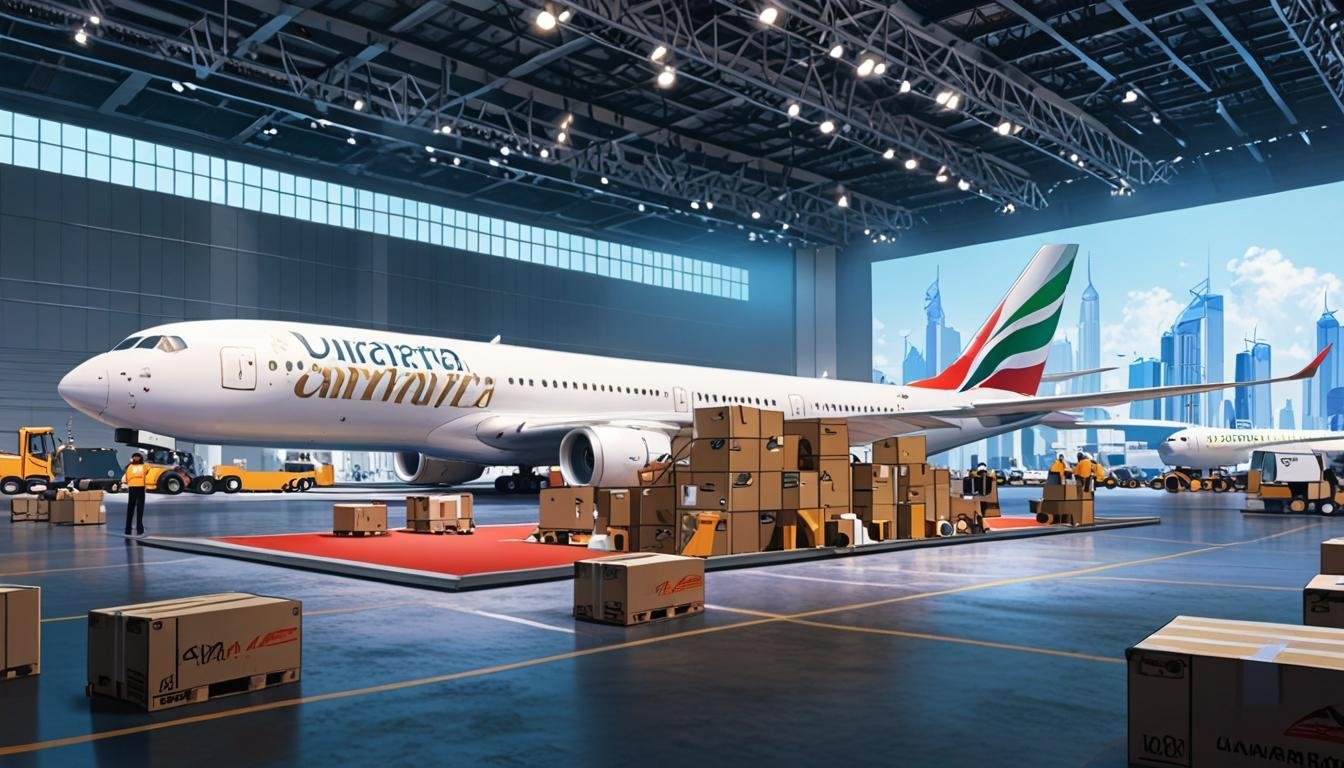
**Dubai**: Air cargo saw an 11.3% growth in 2024, driven by e-commerce and supply chain disruptions. The upcoming WCS 2025 will address digitalisation, sustainability, and geopolitical challenges facing the industry, emphasising collaboration among stakeholders to ensure future resilience.
Air cargo demonstrated significant growth in 2024, registering an impressive 11.3% increase, surpassing the demand for passenger travel, according to The STAT Trade Times. This surge was largely attributed to the expanding e-commerce sector and ongoing disruptions in sea shipping, with air cargo yields reported to be 39% higher than in 2019. Looking ahead, industry forecasts suggest a further growth rate of approximately 5.8% for 2025. However, the air cargo sector faces challenges such as geopolitical uncertainties, inflationary pressures, and potential shifts in U.S. policies, including the introduction of new tariffs, which will necessitate strategic responses from industry leaders.
The upcoming IATA World Cargo Symposium (WCS) 2025, scheduled to take place in Dubai from 15 to 17 April, will provide a platform for industry stakeholders to address these challenges. The symposium will feature a variety of plenary sessions, specialised tracks, workshops, and executive summits. Key topics set for discussion include the role of digitalisation, strategies for sustainability, and the need for resilience in the face of global uncertainties.

As e-commerce continues to expand and is projected to account for at least a third of all air cargo shipments by 2027—an estimated market of $8 trillion—the Digitalisation Stream at the WCS will focus on how technological advancements are reshaping the industry. The discussions will include keynotes on digital strategy implementations and a fireside chat regarding IATA’s Digitalisation Leadership Charter, aimed at propelling the digital transformation of air cargo, with 17 organisations already signed up as of December 2024.
The sustainability initiatives discussed at the symposium will also be crucial, especially given that around half of global air cargo is transported via passenger aircraft. Emphasising the industry’s environmental objectives, discussions will cover strategies for carbon reduction, the role of Sustainable Aviation Fuel (SAF), and means of minimising single-use plastics. The symposium will conclude with presentations of real-world case studies, aimed at providing actionable insights into improving environmental transparency and addressing social impacts.
Geopolitical uncertainties present another layer of complexity for the air cargo sector. Potential new tariffs from the U.S. could mirror past behaviours seen during the 2018-2019 U.S.-China trade tension, when heightened demand led companies to expedite shipments before new duties took effect. Recent data from IATA has indicated a rise in air cargo rates from Asia to the U.S. by 8% in December, although the long-term impacts of these geopolitical fluctuations remain to be fully understood.
In addition to plenary discussions, WCS 2025 will offer targeted workshops on various topics, including the development of future leaders in the field through the Future Air Cargo Executives Summit (FACES), improvements in workplace safety through competency-based training, and optimisation of key cargo segments. Workshops will also focus on enhancing visibility in e-commerce logistics and examining design innovations in Unit Load Devices (ULDs).
The WCS 2025 event, co-hosted by IATA, Emirates SkyCargo, and dnata, will provide a vital opportunity for collaboration across the air cargo ecosystem, which encompasses airlines, logistics firms, technology providers, regulators, and shippers. With Dubai’s strategic logistics hub providing an ideal backdrop, discussions at the symposium are expected to be instrumental in shaping the future of air cargo amid a rapidly evolving global landscape.
Source: Noah Wire Services

