


**Karachi**: The 10th meeting of the Advisory Group on Public Procurement focused on modernising procurement processes in Sindh. Key discussions included e-PADS implementation, training initiatives, and enhancing collaboration among Public Procurement Regulatory Authorities to ensure more efficient and transparent public spending.
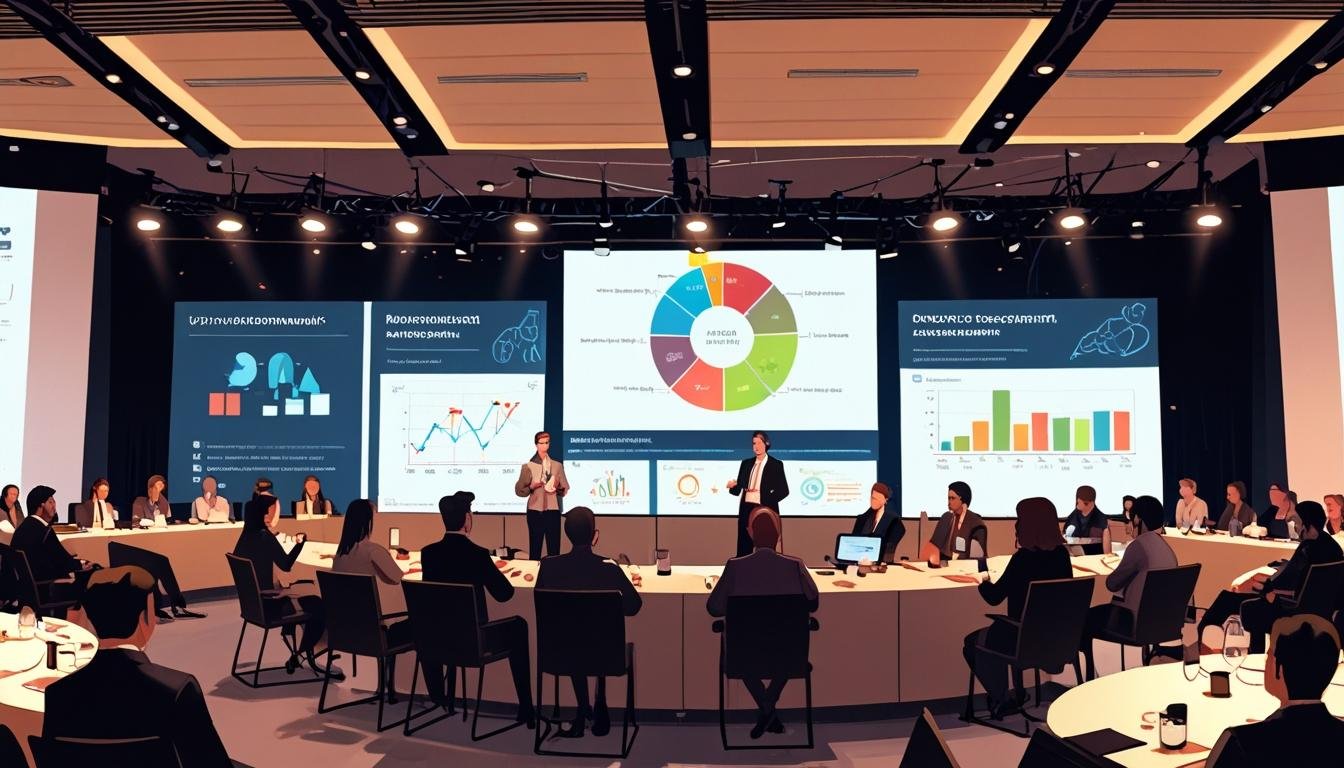
The 10th meeting of the Advisory Group on Public Procurement (AGPP) convened on Friday in Karachi, organised by the Sindh Public Procurement Regulatory Authority (SPPRA). The notable gathering included distinguished representatives from federal and provincial Public Procurement Regulatory Authorities (PPRAs), along with delegates from prominent financial institutions such as the World Bank and the Asian Development Bank, as detailed in a recent communiqué.
The meeting highlighted the advancements in public procurement led by Zia-Ul-Hassan Lanjar, the Sindh Home Minister and Chairman of SPPRA. Under his leadership, efforts have been directed towards not only modernising procurement processes but also embedding them within a structured framework. This approach marks a significant shift towards a more innovative and progressive outlook in public procurement practices in Sindh.

Key points of discussion included a review of the current progress, challenges faced, and strategies for future initiatives. The participants underscored the importance of developing a procurement system that is flexible and responsive to the evolving landscape, with an emphasis on digital transformation, stringent compliance, and enhanced operational capacity.
During the meeting, great importance was placed on the ongoing implementation of the e-Pak Acquisition and Disposal System (e-PADS), as well as the necessity of training programmes and sustainable procurement policies. The group also discussed collaborative efforts with PPRAs and the vital need for reviewing and updating the National Procurement Strategy.
Consensus was reached among the participants on strengthening coordination between all PPRAs, aiming to achieve common objectives. These goals include the advancement of the e-PADS, the creation of unified training modules and an e-learning system, the establishment of sustainable procurement policies, and the formulation of a comprehensive code of ethics to guide procurement practices across the region.
The meeting reflects a committed effort to enhance procurement systems in Pakistan, building on the collaborative capabilities of various public and private bodies to promote efficiency and transparency in public spending.
Source: Noah Wire Services

