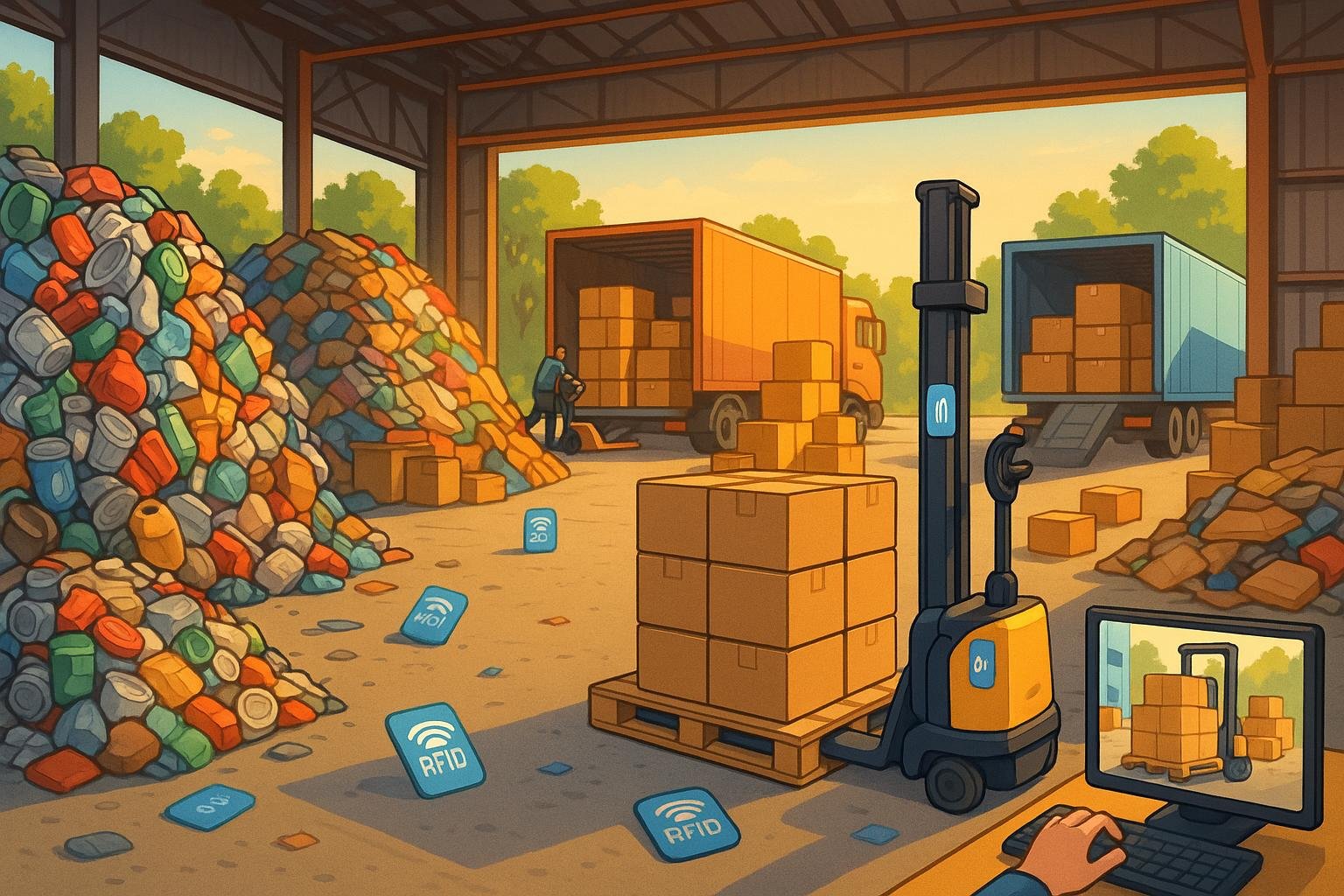
Walmart is layering automation, digital tracking and recycled materials into its packaging and fulfilment systems as it pushes to cut waste across its business and supplier network. According to PackWorld, the retailer is deploying an AI-driven void-fill system in its Next Generation Fulfilment Centres that scans shipping cases and dispenses only the paper needed to secure items, a move designed to shrink material use while speeding packing operations.
The company is testing ra...
Continue Reading This Article
Enjoy this article as well as all of our content, including reports, news, tips and more.
By registering or signing into your SRM Today account, you agree to SRM Today's Terms of Use and consent to the processing of your personal information as described in our Privacy Policy.
dio-frequency identification tags in fresh departments such as meat, bakery and deli to sharpen inventory visibility and reduce spoilage. PackWorld reports that the digital labels improve stock accuracy and help stores manage perishable flows more precisely, a potential lever to lower food waste at store level.
Walmart’s drive sits inside a broader supplier-facing strategy. The retailer launched Project Gigaton in 2017, inviting suppliers to cut greenhouse gas emissions across global value chains by 2030. The programme set a 1 billion metric tonne avoidance target; Walmart said in February 2024 that supplier-reported projects were on track to exceed that goal six years early, a development the company presented as evidence of supplier engagement with energy, packaging and waste-reduction measures.
Material innovation is being used alongside technology. Industry announcements show Walmart partnering with suppliers to introduce flexible film and retail bags containing post-consumer recycled resin. According to a PR Newswire release and reporting by Packaging Gateway, Emerald Packaging, working with Wada Farms and other partners, brought a 30% post-consumer recycled (PCR) bag for the retail potato market to commercial rollout in late 2025, signalling progress toward substituting virgin plastics in produce packaging.
These moves follow earlier public commitments. In 2019 Walmart set targets to make its private-brand packaging recyclable, reusable or industrially compostable by 2025 and to incorporate at least 20% PCR content in such packaging. The company also pledged wider labelling with the How2Recycle scheme. Industry observers say combining procurement targets with operational changes , like right-sized boxes and RFID-enabled inventory control , is necessary to translate supplier pledges into measurable waste reductions.
Walmart has also extended consumer-facing options, offering recycled shipping and moving boxes through its online retail channels, which the company frames as another way to scale recycled-material use beyond its supply chain. According to Walmart’s online product pages, those items are positioned to make recycled packaging accessible to shoppers while reinforcing the retailer’s circular-materials messaging.
Taken together, the technology pilots, supplier collaborations and recycled-material introductions illustrate a multipronged approach: reduce the amount of packaging through smarter fulfilment, limit food loss through better inventory data, and substitute recycled content where plastics remain. Walmart presents these initiatives as consistent with Project Gigaton’s goals; independent verification of their full climate and waste impacts will depend on how broadly the pilots scale and on ongoing supplier reporting.
Source: Noah Wire Services