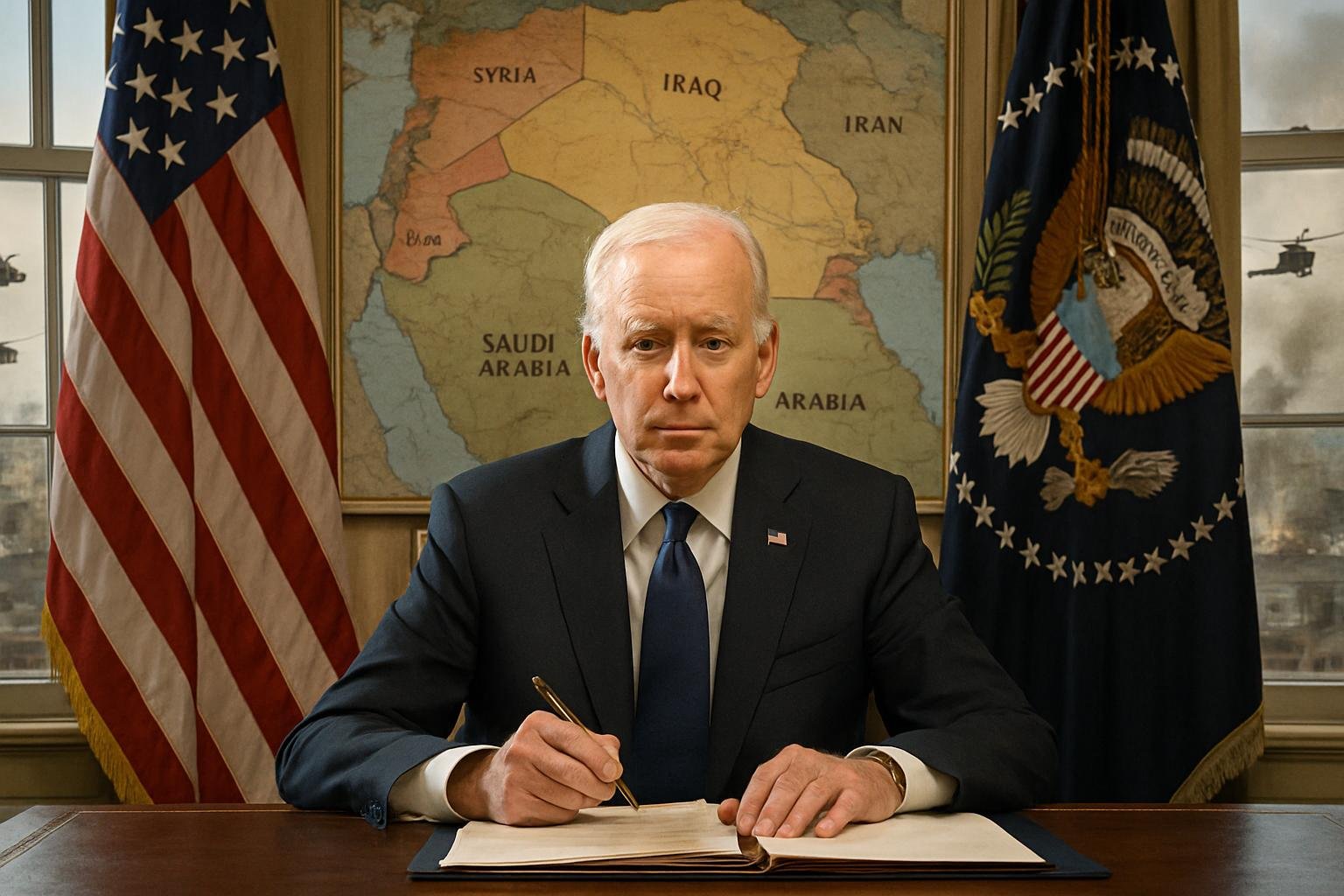
President Donald Trump said on Tuesday the United States could halt its military operations against Iran within “two weeks, maybe two weeks, maybe three,” and asserted Tehran would not need to strike a deal with Washington as a condition for a de‑escalation. The comments came as U.S. officials and allies offered varying timelines and objectives for the campaign now in its fifth week.
“We’ll be leaving very soon,” Trump told reporters at the White House, adding that ...
Continue Reading This Article
Enjoy this article as well as all of our content, including reports, news, tips and more.
By registering or signing into your SRM Today account, you agree to SRM Today's Terms of Use and consent to the processing of your personal information as described in our Privacy Policy.
“Iran doesn’t have to make a deal, no,” and “No, they don’t have to make a deal with me.” The White House later scheduled a national address for 6 p.m. PST to provide “an important update on Iran,” Reuters reported.
The president’s latest timeframe differs from earlier public statements from his administration and allies. In early March he described the campaign as likely to last four to five weeks but allowed it could persist “far longer than that,” according to The Guardian. Secretary of State Marco Rubio told reporters later that month he expected the operation to wrap up in “weeks, not months,” while President Trump in late March declared the war “won” and said regime change had been achieved as talks moved forward, according to reporting in The Washington Post.
Diplomatic channels have been active even amid fighting. The U.S. has presented a 15‑point ceasefire framework that would, among other demands, require Iran to cease uranium enrichment and reopen the Strait of Hormuz, Reuters said. U.S. officials, including Defense Secretary Pete Hegseth, have signalled willingness to negotiate a settlement; Hegseth told reporters on Tuesday that talks were “ongoing and gaining strength” but that military pressure would continue if Iran did not comply.
Iran’s response has been mixed. Iranian Foreign Minister Abbas Araqchi told Qatar’s Al Jazeera that he was receiving direct messages from U.S. special envoy Steve Witkoff but described them as exchanges rather than formal negotiations. Meanwhile Iran’s Islamic Revolutionary Guard Corps announced it would begin targeting 18 U.S. and Western companies operating in the region, listing firms such as Microsoft, Google, Apple, Intel, IBM, Tesla and Boeing, Reuters reported. When asked about those threats, Trump responded that he was not worried, saying “They don’t have much left to threaten.”
The conflict’s regional spillover has intensified. Reuters reported renewed strikes in and around Beirut after Israel said it targeted senior figures in the Iran‑aligned group Hezbollah; Lebanon’s health ministry said at least seven people were killed and 24 wounded in two strikes. Pakistan, China and other states have pushed for an immediate ceasefire and offered mediation, while Egypt, Pakistan and Turkey have been reported by The Washington Post as participating in brokering talks.
The fighting has also affected global energy markets and domestic politics. GasBuddy data cited by Reuters showed the U.S. national average retail gasoline price topped $4 a gallon for the first time in over three years, and analysts and officials have warned that disruptions to Persian Gulf shipping and Iranian attacks on regional infrastructure could keep prices elevated. A Reuters/Ipsos poll found roughly two‑thirds of Americans favour a swift end to U.S. involvement even if that means not achieving all of the administration’s stated objectives.
Observers note competing narratives from Washington about the campaign’s progress and exit strategy. Some commentators and analysts, cited in opinion pieces and reporting, argue the U.S. has substantially degraded Iran’s military capacity; others point to Tehran’s remaining ability to threaten oil flows and sustain proxy operations across the region as complicating any rapid conclusion.
As fighting continues to claim lives and unsettle markets, U.S. officials say they retain military options while pursuing diplomatic avenues. The next 48 to 72 hours were described by senior Pentagon officials as decisive, a timetable that sits alongside the president’s public prediction of a withdrawal within weeks.
Source: Noah Wire Services