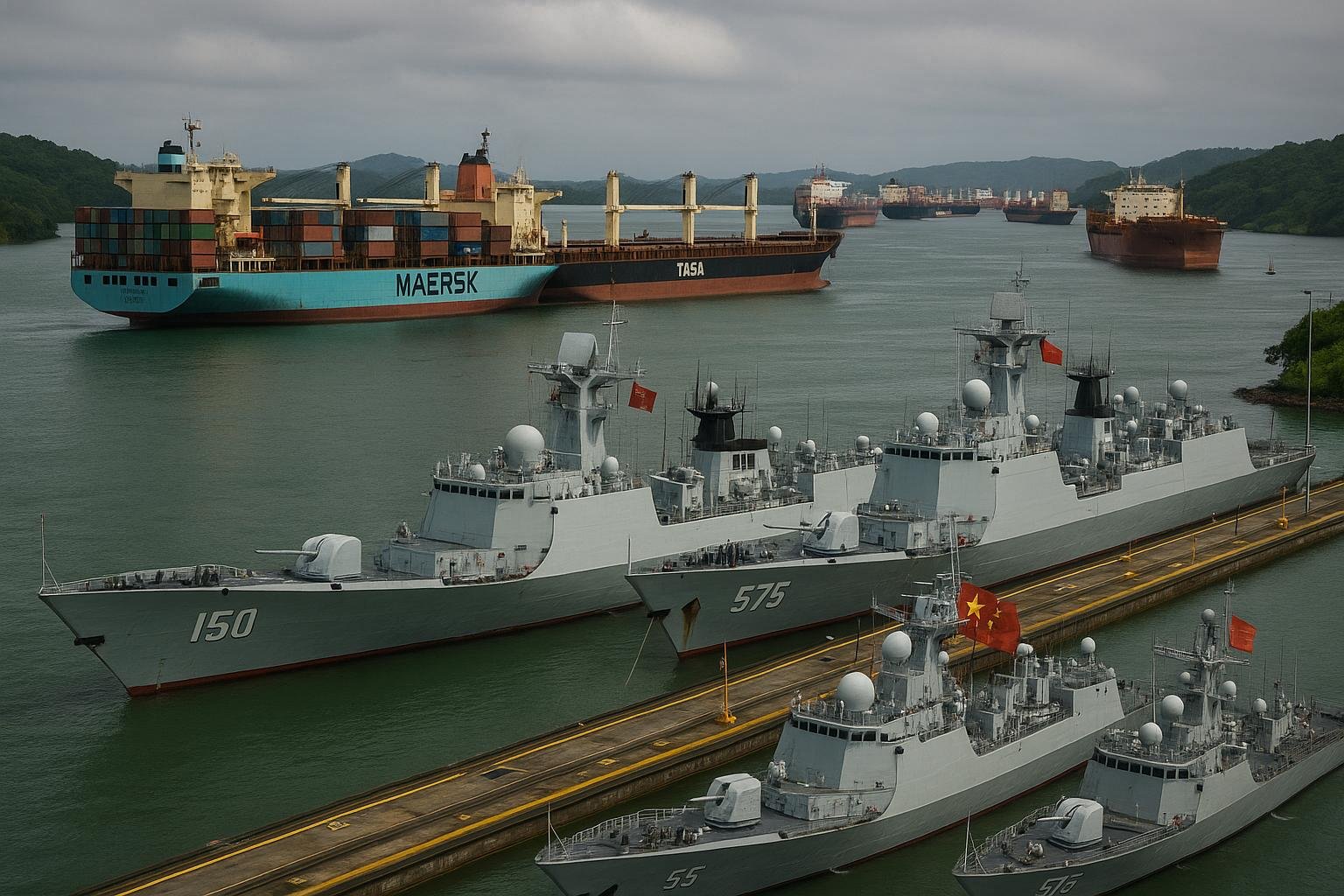
Washington, DC , US Secretary of State Marco Rubio sharply criticised what he characterised as Chinese interference with commercial shipping after a rise in detentions of vessels flying Panama’s flag, saying the moves threaten global trade and partner sovereignty.
“China’s decision to detain or otherwise impede Panama-flagged vessels engaged in lawful trade destabilises supply chains, raises costs, and erodes confidence in the global trading system. The United Sta...
Continue Reading This Article
Enjoy this article as well as all of our content, including reports, news, tips and more.
By registering or signing into your SRM Today account, you agree to SRM Today's Terms of Use and consent to the processing of your personal information as described in our Privacy Policy.
tes stands with Panama against any retaliatory actions against its sovereignty and will always support our partners in the face of bullying,” Rubio wrote on X, according to a report by ANI.
The accusations follow claims by the US Federal Maritime Commission that Chinese authorities dramatically increased inspections and hold‑backs of Panama‑flagged ships in recent weeks. “China has now imposed a surge in detentions of Panama‑flagged vessels in Chinese ports under the guise of port state control, far exceeding historical norms,” FMC Chair Laura DiBella said in a statement, adding that the commission is authorised to investigate whether foreign practices create conditions unfavourable to US shipping, according to the FMC release.
Reporting by the Associated Press put the scale of the spike into sharper relief, saying Chinese ports detained 92 of 124 Panama‑flagged vessels in March, roughly 75% of arrivals, a sharp jump from usual levels. The AP account, echoed by other outlets, said Washington views the Panama Canal as strategically vital and that the episode has intensified a wider US‑China rivalry in the region.
The current dispute traces back to a Panamanian court decision in late January that found the long‑running concession granting Hong Kong‑based CK Hutchison’s Panama Ports Company the right to operate the Balboa and Cristóbal terminals unconstitutional. Government action to assume control of the two terminals and temporarily hand operations to U.S. affiliates of Maersk APM Terminals and MSC drew a swift reaction. According to the FMC statement, that January ruling followed an audit alleging irregularities in the concession’s legal basis.
Panama has downplayed the row, characterising the actions in Chinese ports as routine inspections, while China has denied acting in retaliation and accused the United States of seeking influence over the canal, as reported by the Washington Post and Investing.com. CK Hutchison’s Panama Ports Company has launched arbitration at the International Chamber of Commerce in Paris, pursuing roughly USD 2 billion in damages over the concession dispute, Reuters and other outlets have noted.
Analysts warn the developments could carry meaningful consequences for trade flows. Industry estimates cited across coverage place the Panama Canal as handling about 5% of global maritime trade and a substantial share of container traffic bound for the United States; the FMC has warned that Panama‑flagged ships carry a significant portion of US containerised trade. The commission said it is monitoring whether foreign regulatory measures are being used as economic leverage.
The episode arrives amid heightened diplomatic attention ahead of a planned summit in Beijing on May 14–15, where US President Donald Trump and Chinese President Xi Jinping are expected to discuss trade and strategic issues, including the canal dispute, according to the ANI report. With tensions between the three capitals unresolved, shipping companies and registries are weighing the commercial and reputational risks of an extended standoff.
Source: Noah Wire Services