


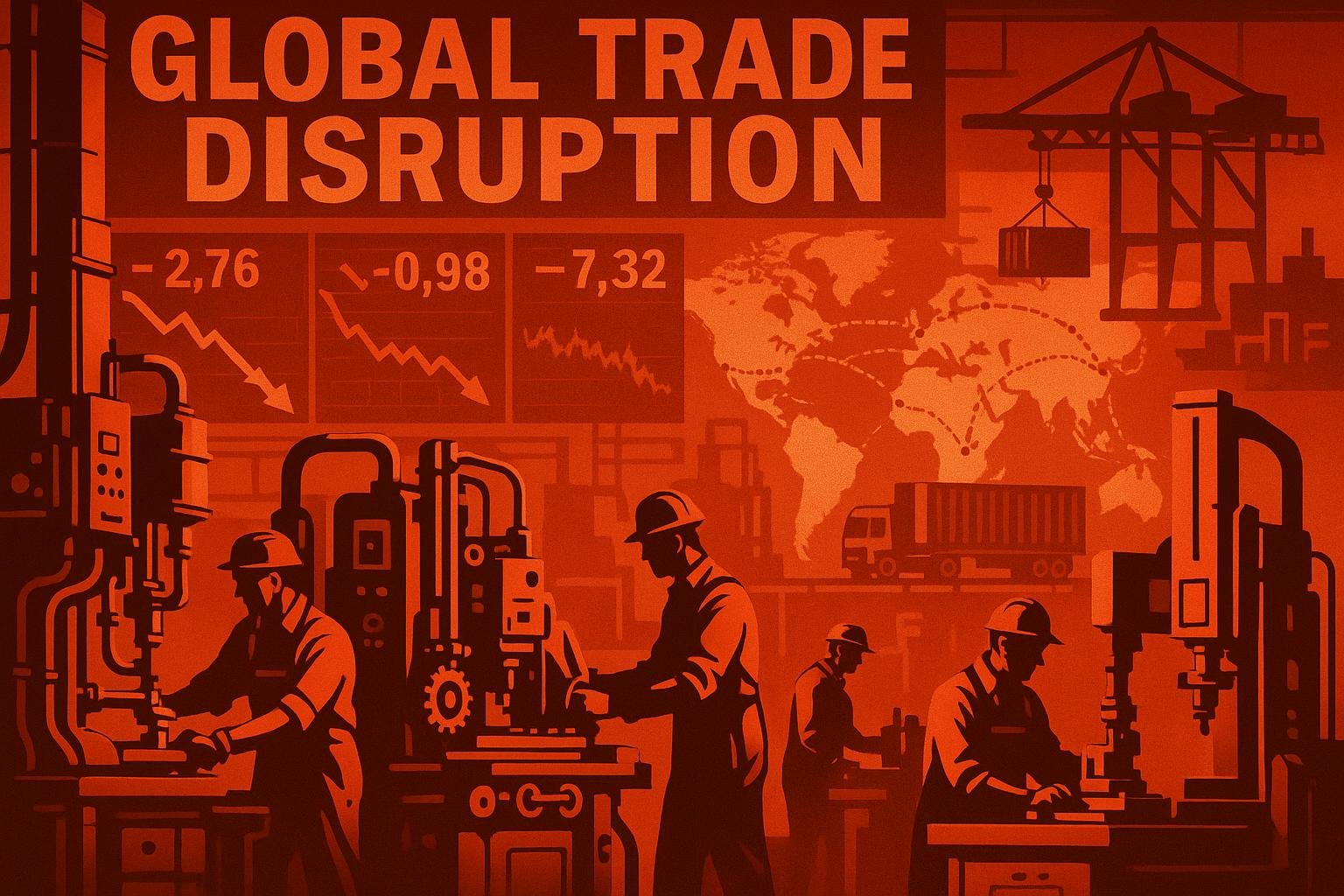
Shoppers are noticing a new cost reality as Washington’s 15% universal tariff reshapes trade, industry and geopolitics , from supply-chain headaches to resurgent energy exports. Here’s what consumers, businesses and allies should watch as the “America First” agenda remakes the rules of international commerce.
Essential Takeaways

- Big policy change: A 15% baseline tariff on most imports aims to onshore manufacturing and raise...
Continue Reading This Article
Enjoy this article as well as all of our content, including reports, news, tips and more.
By registering or signing into your SRM Today account, you agree to SRM Today's Terms of Use and consent to the processing of your personal information as described in our Privacy Policy.
Why the 15% Tariff landed like a thunderclap
The headline policy , a 15% surcharge on most imports , is designed as a blunt tool to rebuild domestic manufacturing and generate federal revenue. You’ll feel it first in the price tags: small-ticket items and consumer electronics are the most exposed, while industry sees costs ripple through complex supply chains. According to reporting, markets reacted quickly with sector winners and losers, and economists warned of possible retaliatory measures from trading partners. If you run a small business that imports parts, expect to reprice or find new suppliers; if you’re a shopper, accept that some bargains are likely to shrink.
What “reciprocal trade” and reshoring mean for consumers
The administration pairs the tariff with incentives to bring chip plants and critical minerals home, aiming to cut reliance on strategic rivals. It’s a makeover of trade policy into industrial strategy: think targeted exemptions in exchange for market access and big subsidies to lure factories. That’s good news for local jobs and certain manufacturers, but it’s also expensive. Early projections suggest the tariff could raise nearly $200 billion in a year, money the White House hopes will help rebalance tax revenue. For households, this translates into a short-term “tariff tax” and a longer-term bet that domestic competition will lower prices , a promise that may take years to prove true.
Geopolitics: sanctions, alliances and a new Middle East push
Trade changes aren’t happening in isolation. The administration has doubled down on sanctions and a “maximum pressure” strategy in the Middle East, tightening the economic screws on key actors while pursuing diplomatic realignments. That strategic mix includes pushing for broader normalisation deals in the region and using energy exports as leverage. According to official briefings, these moves are intended to reduce direct military entanglement while reshaping regional economics. The downside? Tighter sanctions can squeeze global energy markets and add another layer of volatility to prices and trade flows.
Markets, multinationals and the fear of a tit-for-tat trade war
Multinationals are recalibrating fast. Some American industrial stocks have rallied on prospects of reshoring and protection, but firms dependent on global supply chains face higher input costs and operational complexity. Trading partners from the EU to the BRICS bloc have signalled displeasure, raising the real risk of reciprocal tariffs that could increase consumer costs worldwide. Industry reactions range from strategic relocation to legal challenges, and investors are watching for whether these policies prompt concerted global resistance or fragmented bilateral deals.
The domestic angle: deregulation, energy and the DOGE push
At home, a drive to slash bureaucracy has sped approvals for energy and tech projects, boosting exports and lowering domestic fuel prices. The administration’s emphasis on energy independence and export strength gives it diplomatic clout, but it also draws heat from climate advocates. Faster project approvals and relaxed oversight may mean cheaper power bills for now, yet they also lock in long-lived infrastructure choices. For consumers worried about sustainability, this is a trade-off: cheaper energy today versus higher emissions and potential long-term costs.
How to navigate this new trade landscape personally
If you buy electronics, clothing or imported goods regularly, check product origins and be ready for price variability. Small businesses should audit supply chains now and consider alternative suppliers or negotiated tariff pass-throughs. Investors might favour domestic industrials and energy names but balance that with exposure to sectors vulnerable to global retaliation. Finally, watch diplomatic signals: trade policy is now tightly woven with foreign policy, so shifting alliances will affect which goods and sectors are protected or targeted.
It’s a messy, consequential reset , and whether the tariff becomes a lasting shield or a costly experiment depends on how partners respond and how quickly domestic capacity can scale.
Source Reference Map
Story idea inspired by: [1]
Sources by paragraph:
Subscribe to Industry Updates

