


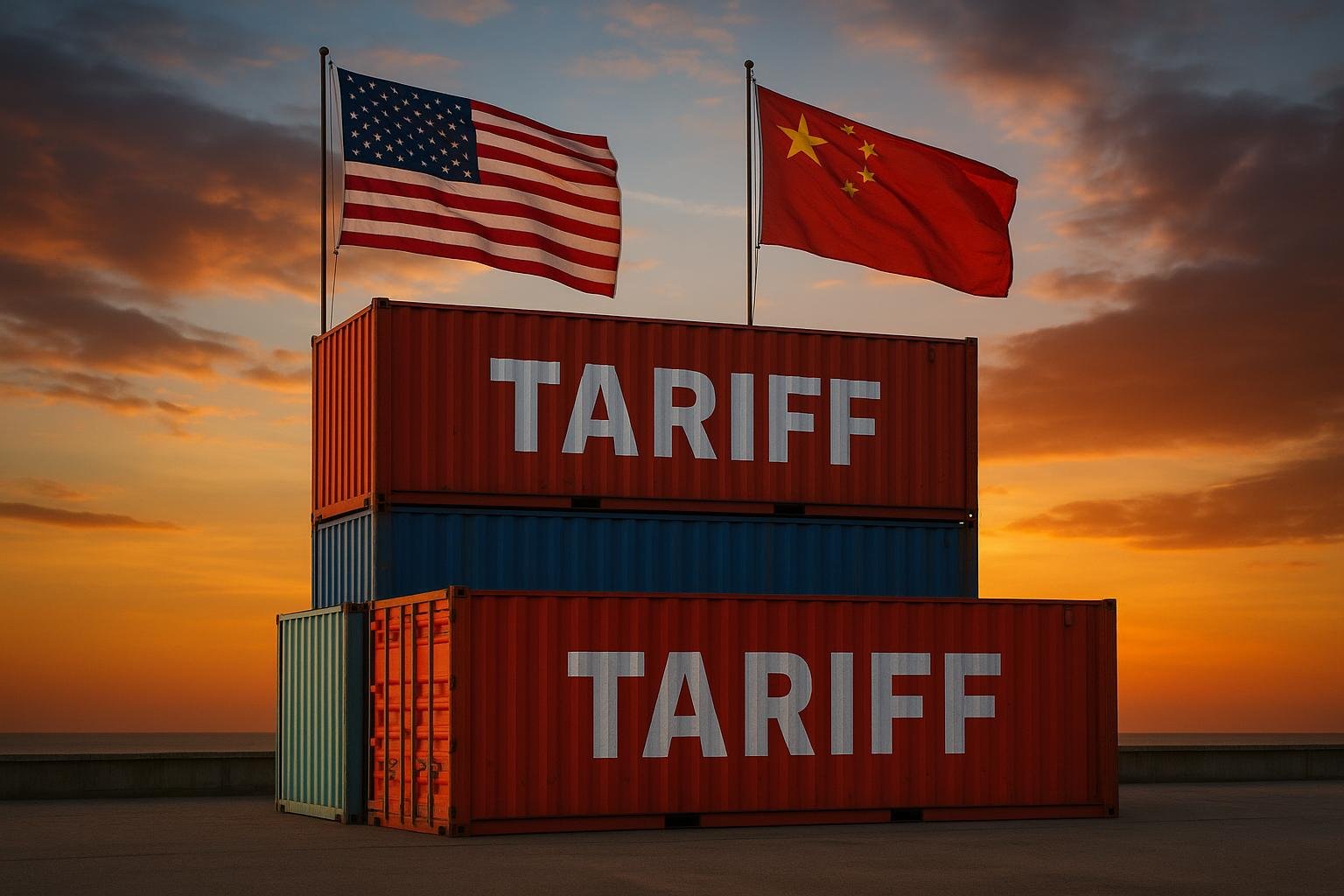
US President Donald Trump has signalled that his administration is prepared to pursue alternative methods to impose tariffs if the Supreme Court rules against their current legal basis, amid ongoing legal challenges to the use of emergency powers to justify sweeping import duties.

US President Donald Trump signalled on Thursday, January 22, that his administration will pursue other avenues if the Supreme Court does not uphold his tariff programme, a remark that underlin...
Continue Reading This Article
Enjoy this article as well as all of our content, including reports, news, tips and more.
By registering or signing into your SRM Today account, you agree to SRM Today's Terms of Use and consent to the processing of your personal information as described in our Privacy Policy.
“If we don’t get the Supreme Court decision we want on tariffs, we’ll do something else,” Trump said, without specifying alternatives. The comment comes as the high court considers consolidated challenges to tariffs the administration imposed under emergency powers, a legal test that could narrow the president’s authority to impose duties without explicit congressional authorisation.
Those duties , launched in 2025 as part of a broad package dubbed the Liberation Day tariffs and earlier orders imposing steep levies on imports from Canada and Mexico , were implemented using the International Emergency Economic Powers Act (IEEPA). According to the Wikipedia entry on the Liberation Day tariffs, the package included a baseline 10 percent global tariff plus higher, country-specific reciprocal rates, and the February orders applied 25 percent tariffs on most goods from Mexico and Canada while exempting some Canadian energy exports. The petitions challenging those moves were consolidated by the Supreme Court in September 2025 and heard in November 2025 in a case titled Learning Resources v. Trump, which also folded in litigation from the V.O.S. Selections litigation. Wikipedia notes that a May 2025 ruling by the United States Court of International Trade found that the Liberation Day tariffs exceeded the authority conferred by IEEPA.
Legal analysts warn that an adverse ruling at the high court could substantially limit the executive branch’s capacity to levy import duties unilaterally. Industry observers and markets have been watching the litigation closely because a decision setting strict limits on presidential tariff power would reshape US trade policy and restrict the administration’s hand in future trade disputes.
The administration, however, appears to be planning contingencies. According to a December 2025 report carried by India.com, Treasury Secretary Scott Bessent prepared a “Plan B” that could rely on other statutory tools , including Sections 301, 232 and 122 of the Trade Act , to maintain leverage over imports. Those provisions respectively address unfair trade practices, national security threats and balance-of-payments issues, and could provide narrower legal bases for duties if IEEPA is curtailed. The same report said Bessent warned that invalidating the tariffs might trigger substantial refunds to firms that already paid them, posing fiscal and administrative headaches for the Treasury.
Economists and tax experts have sought to quantify the tariffs’ impact. According to Forbes, a Goldman Sachs analysis estimated that through August 2025 U.S. businesses bore roughly half the tariff burden while consumers absorbed more than a third, and the Tax Policy Center projected that the measures could cost the average US household about $2,600 next year if they remained at then-current levels. Those figures underscore the wider economic stakes tied to the court’s decision and any policy workarounds the administration might pursue.
The White House has defended the tariff strategy as central to its economic and national security objectives, arguing the measures protect domestic manufacturing and strengthen negotiating leverage with trading partners. In reporting on the legal challenge, Wikipedia’s entries on the Supreme Court cases note that one question before the justices is whether IEEPA authorises such broad tariff actions and whether the statute unconstitutionally delegates legislative power to the executive.
Should the court reject the administration’s expansive reading of emergency tariff authority, Washington’s options would include narrower statutory routes, targeted regulatory steps, or continued negotiation and diplomacy to secure trade concessions. The administration’s willingness to signal alternatives publicly, while withholding detail, suggests it is preparing both legal and policy responses to preserve trade pressure even if the judiciary restricts its preferred toolset.
For businesses and foreign governments alike, the outcome , and any subsequent US measures , will determine the contours of trade ties and the balance between executive flexibility and congressional control over tariffs going forward.
Source: Noah Wire Services
Subscribe to Industry Updates

