


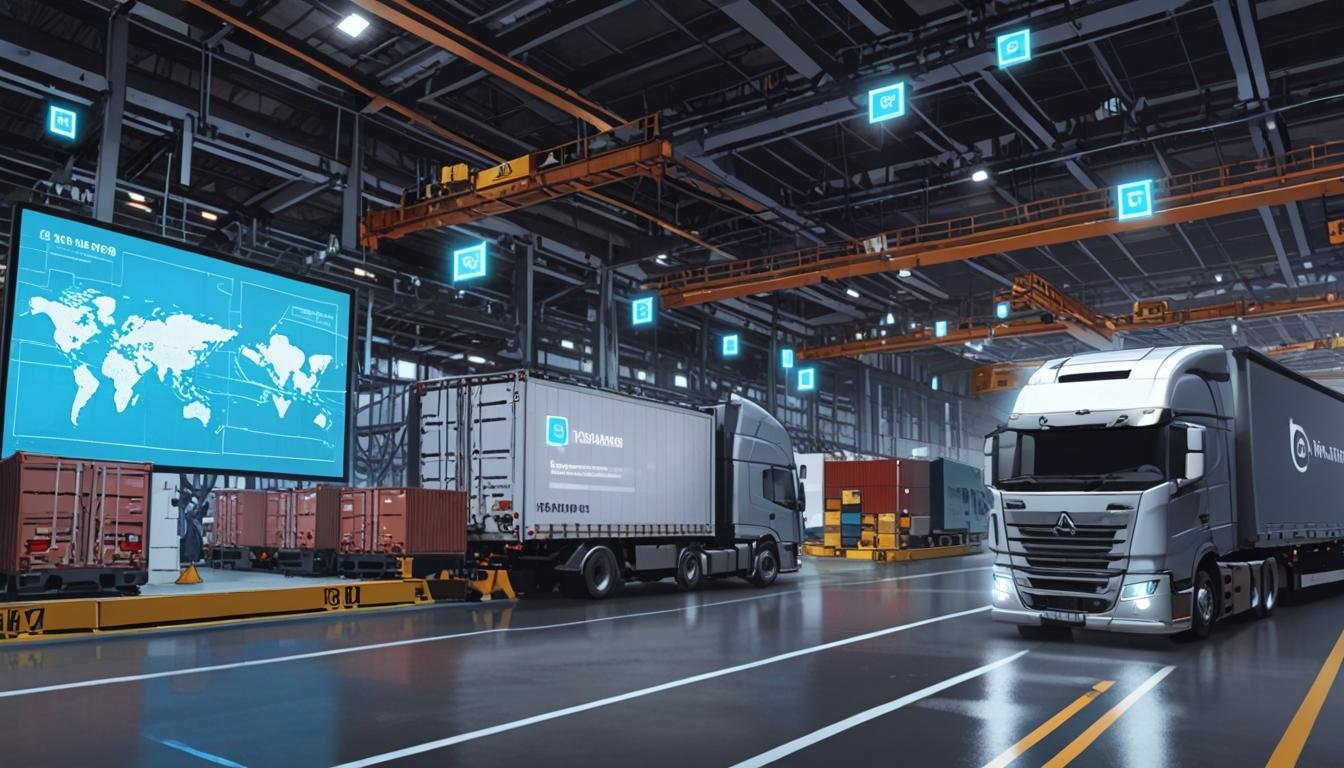
**London**: The integration of Digital Twin technology and ELT methodologies is revolutionising logistics operations. Businesses can leverage real-time data processing to optimise efficiency, predict delays, and enhance customer satisfaction while facing challenges in infrastructure and training.
In the rapidly evolving landscape of supply chain management, the integration of technology is becoming increasingly vital for companies aiming to enhance efficiency and responsiveness. A pivotal innovation in this area is the concept of the Digital Twin, which is being adopted to optimise logistics operations. The Digital Twin is a real-time digital replica of the physical supply chain, facilitating the monitoring and management of logistics processes through data collected from various sensors and systems.
The essence of a Digital Twin lies in its ability to collect and analyse data in real-time, creating a virtual representation of the entire supply chain. This technology assists businesses in anticipating problems before they arise, minimising delays and maximising operational efficiency. For example, a delivery truck transporting fresh produce can be tracked through the Digital Twin system, which monitors its location, internal temperature, and potential delays. If any discrepancies are detected, logistics managers can make timely interventions, such as redirecting the vehicle or adjusting storage conditions.

Crucial to the functionality of a Digital Twin is the processing of data, which has raised a notable debate between two methodologies: ETL (Extract, Transform, Load) and ELT (Extract, Load, Transform). ETL is characterised by transforming data before it is stored in databases, which can hinder the quick retrieval of information necessary for real-time applications. In contrast, ELT allows data to be loaded directly into the database before it is transformed, leading to faster data processing and improved decision-making capabilities. This distinction is critical for logistics operations where speed is paramount.
The advantages of using ELT over ETL in logistics optimisation are numerous. ELT’s design enables organisations to process incoming data instantaneously, significantly reducing lag time. This swift processing capacity allows businesses to act on information in real-time, such as correcting shipment delays before they impact customer satisfaction. Furthermore, logistics firms generate vast amounts of data continuously—from GPS signals to environmental conditions—and ELT’s capability to store this data allows for ongoing analysis when needed, accommodating the scaling demands of modern supply chains.
One prominent example of a company successfully utilising Digital Twin technology coupled with ELT is Amazon. The retail giant employs these systems to monitor millions of shipments, forecast delays, and streamline warehouse operations, thereby facilitating efficient same-day and next-day delivery services. Such capabilities would be significantly hindered without the speed and flexibility offered by ELT.
However, the implementation of ELT is not without its challenges. Companies must invest in robust cloud infrastructure to handle large volumes of raw data securely, ensuring that sensitive information remains protected against potential security vulnerabilities. Additionally, the shift from traditional ETL processes necessitates adequate training for employees to ensure they are equipped to effectively use ELT-based systems.
Organisations looking to adopt ELT in conjunction with a Digital Twin can begin by analysing their existing supply chain systems to identify areas that would benefit from real-time data processing. Selecting appropriate ELT tools and ensuring the Digital Twin can interface with these platforms are critical next steps. Training staff in the new methodologies will further support the transition, allowing businesses to leverage the full benefits of the technology.
As the logistics landscape continues to evolve, the synergy between Digital Twin technology and ELT will enable companies to build more responsive and efficient supply chains. The future of logistics management lies in the ability to process and analyse data in real time, with ELT stepping in as a key enabler of this transformation.
Source: Noah Wire Services

