


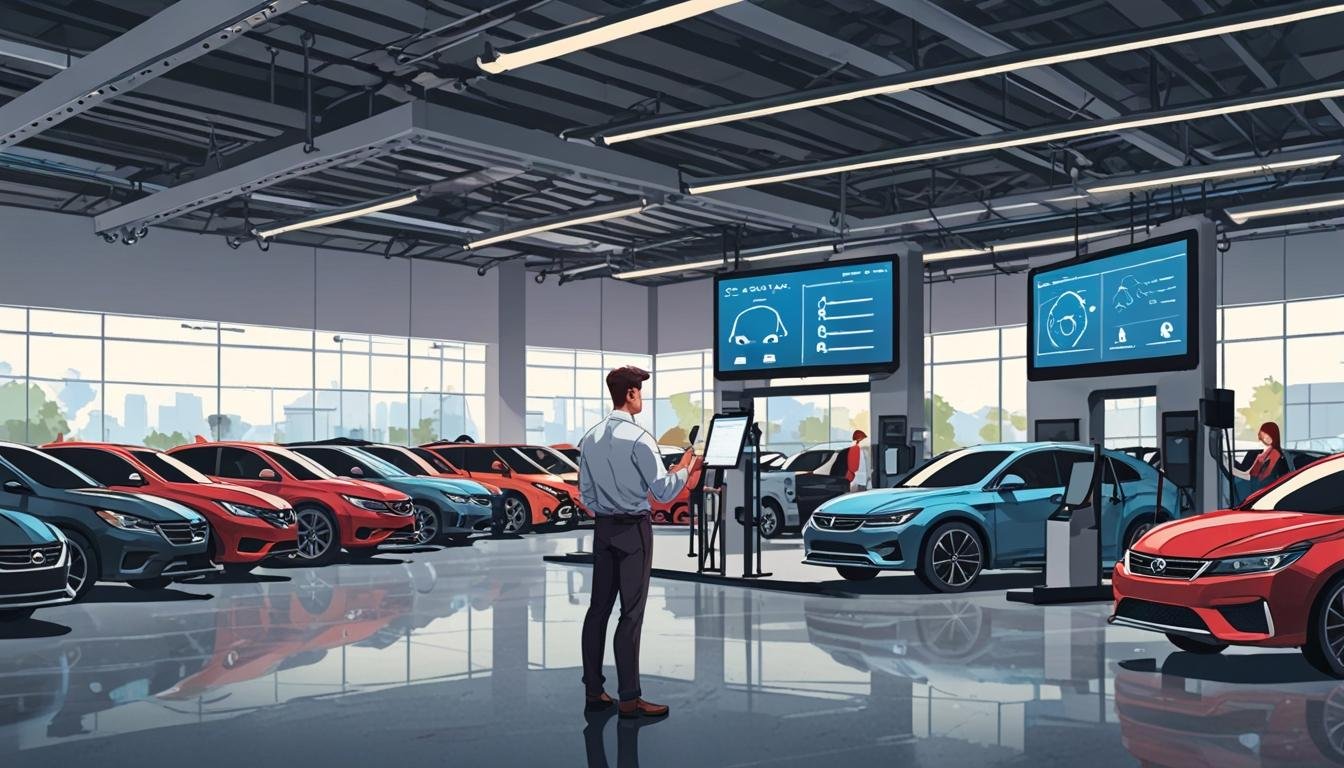
**London**: In an evolving automotive retail landscape, data integration is crucial for dealership efficiency and customer experience. Despite challenges, strategies embracing real-time data and personalised services can enhance operations, fortify customer trust, and drive profitability, helping dealerships thrive in a competitive market.
In a rapidly evolving automotive retail landscape, data has become a pivotal element for driving decisions, efficiency, and customer satisfaction, particularly within fixed operations teams at dealerships. However, many dealerships face notable challenges in effectively utilising data, which has prompted discussions on potential strategies for overcoming these hurdles.
According to the 2024 Cox Automotive Power of Data Study, a staggering 70% of dealers recognise that delays in real-time customer and vehicle data significantly diminish the utility of data-driven insights. In light of this, embracing real-time data integration emerges as a vital strategy. By implementing systems that provide up-to-the-minute information across all departments—including marketing, sales, fixed ops, and back office—dealerships can ensure cohesive operations and smoother customer interactions.

For instance, during vehicle check-in, real-time data integration allows service advisors to greet customers by name and offer immediate access to pertinent service history. This not only saves time but enhances the overall customer experience, fostering a greater likelihood of repeat business.
Another key strategy highlighted involves delivering personalised experiences to customers. Given that many clients may be unclear about what to expect during service appointments, providing service advisors with efficient tools helps in guiding both parties through the service process. Operational efficiency is bolstered when advisors can focus on customer engagement rather than being preoccupied with administrative tasks. For example, a tablet that facilitates the check-in and inspection process allows for faster service and a clearer understanding for customers regarding their vehicle’s health, ultimately driving utilisation and satisfaction.
The need for reliable and integrated data solutions is further emphasised by the fact that only 26% of dealers are confident in third-party data insights. Inconsistent or outdated information can lead to inefficiencies, which is why investing in comprehensive tools that streamline service department needs is crucial. Dealerships that implement a singular technology platform for their service operations can enhance both customer experience and staff satisfaction. For customers, seeing consistent information—whether through video messages detailing service needs or clear pricing at checkout—helps build trust and reinforces long-term relationships with the dealership.
In conclusion, addressing data challenges within fixed operations is essential for improving efficiency, customer satisfaction, and ultimately, profitability. By leveraging real-time data integration, focusing on personalised customer experiences, and ensuring high-quality integrated solutions, dealerships can unlock the full potential of their data, positioning themselves strongly in a competitive market. The importance of these strategies is underscored in the pursuit of enhancing fixed operations teams towards becoming formidable data-driven entities within the automotive retail sector.
Source: Noah Wire Services

