


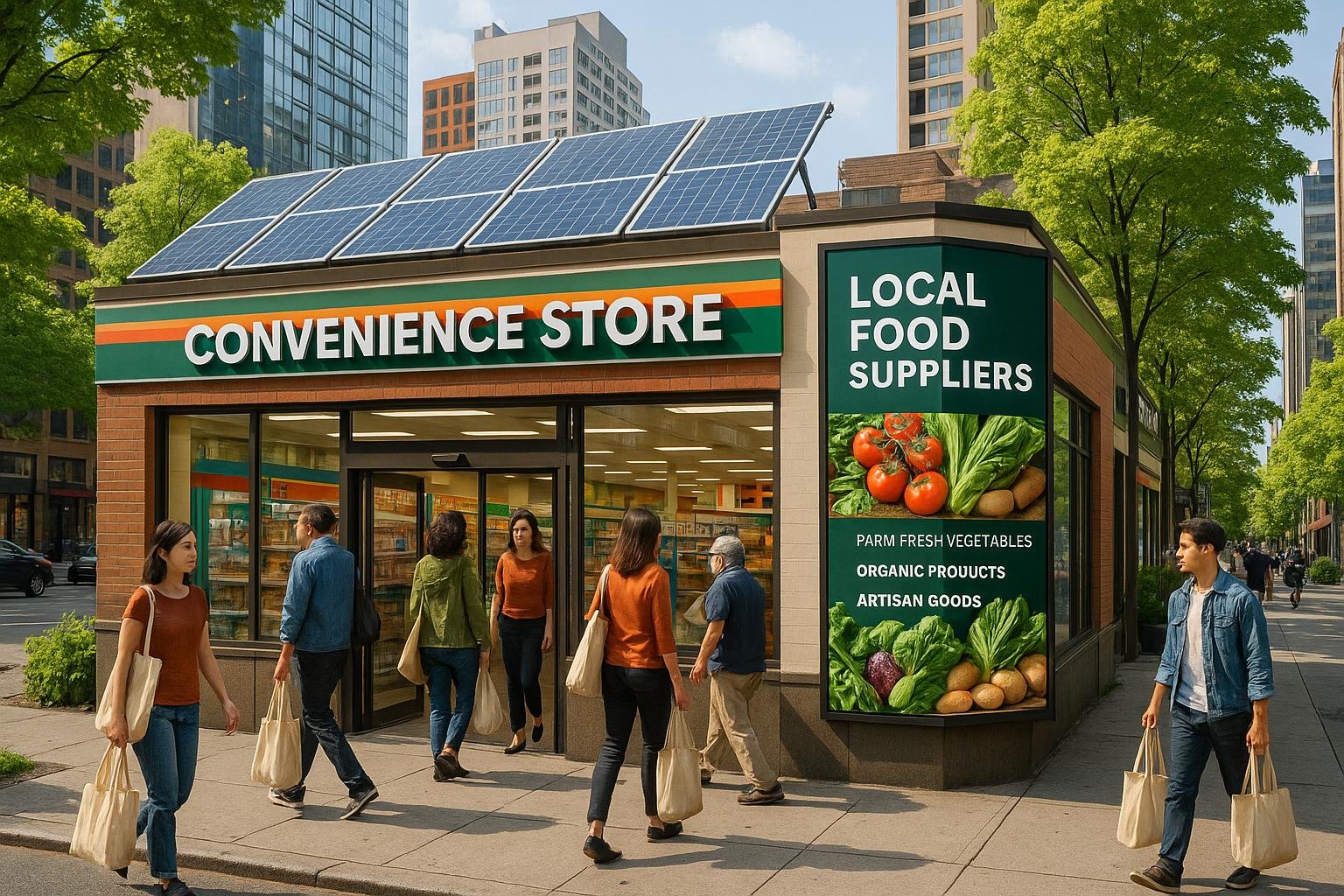
Tesco is ramping up its UK presence with the rapid rollout of convenience outlets, enhanced online marketplace offerings, and a focus on sustainability and local suppliers to navigate a fiercely competitive grocery landscape and changing shopper habits.

Tesco is intensifying a multi‑pronged strategy that combines a rapid roll‑out of convenience shops, investment in its online marketplace and a sustained push on sustainability and local sourcing as it seeks to hold o...
Continue Reading This Article
Enjoy this article as well as all of our content, including reports, news, tips and more.
By registering or signing into your SRM Today account, you agree to SRM Today's Terms of Use and consent to the processing of your personal information as described in our Privacy Policy.
The retailer has committed to adding 70 Tesco Express outlets by March 2027, a programme that will accelerate its presence in towns and city neighbourhoods. According to The Independent, five of those openings will repurpose sites formerly operated by Amazon Fresh in London , Kensington High Street, Hounslow, Moorgate, Aldgate East and Wembley , with conversions scheduled before the summer. Local planning approvals are also being secured for new small‑format stores elsewhere, including a recently approved Express on St Peter’s Place in Wiltshire, which will operate under set weekday and weekend hours. Reports from the Evening Standard, Yahoo Finance, Morningstar and GB News corroborate the expansion plan and the opportunity presented by Amazon’s UK Fresh closures.
That physical expansion is part of a deliberate repositioning. Tesco is seeking to meet the growing tendency for shoppers to make smaller, more frequent visits by placing outlets closer to daily routines and commuter flows. These shops emphasise speed and convenience with a curated range of essentials, ready meals and food‑to‑go lines designed for quick trips rather than bulk weekly shops.
Online growth remains equally important. Tesco has been broadening its marketplace to host third‑party sellers so customers can buy non‑grocery items alongside food, reducing the need for separate shopping journeys and increasing assortment without carrying all inventory risk. According to industry commentary, that marketplace approach enhances customer data capture and personalisation, helping the retailer refine forecasting, promotions and fulfilment across delivery and click‑and‑collect channels.
Alongside format and digital change, Tesco is reinforcing ties with regional suppliers. The group has increased partnerships with producers across the UK and in Ireland to supply stores with locally sourced lines, a response to rising consumer demand for provenance, traceability and lower‑carbon supply chains. Industry observers note that local sourcing offers Tesco differentiation beyond price as shoppers weigh authenticity and sustainability alongside value.
Environmental action is woven into these plans. Tesco is testing electric heavy goods vehicles as part of efforts to cut transport emissions, while working with farming groups and suppliers on animal welfare and environmental practices to shore up supply‑chain resilience amid geopolitical and climate risks. Company statements frame these measures as long‑term investments to decarbonise operations and reduce exposure to commodity volatility.
Yet Tesco’s path is not without tension. The UK grocery market remains intensely price‑competitive; discounters are expanding and many consumers remain sensitive to cost after prolonged inflationary pressure. Balancing affordability with quality and margin protection will be critical as promotional intensity rises across the sector.
Taken together, the moves set out a clear playbook: densify the small‑store network to capture everyday needs, deepen the digital ecosystem to broaden choice and data insights, and press sustainability and local partnerships to meet changing consumer priorities. If executed effectively, the combination of convenience growth, marketplace development and supply‑chain innovation should help Tesco defend its market position while adapting to how British shoppers buy in 2026 and beyond.
Source: Noah Wire Services
Subscribe to Industry Updates

