


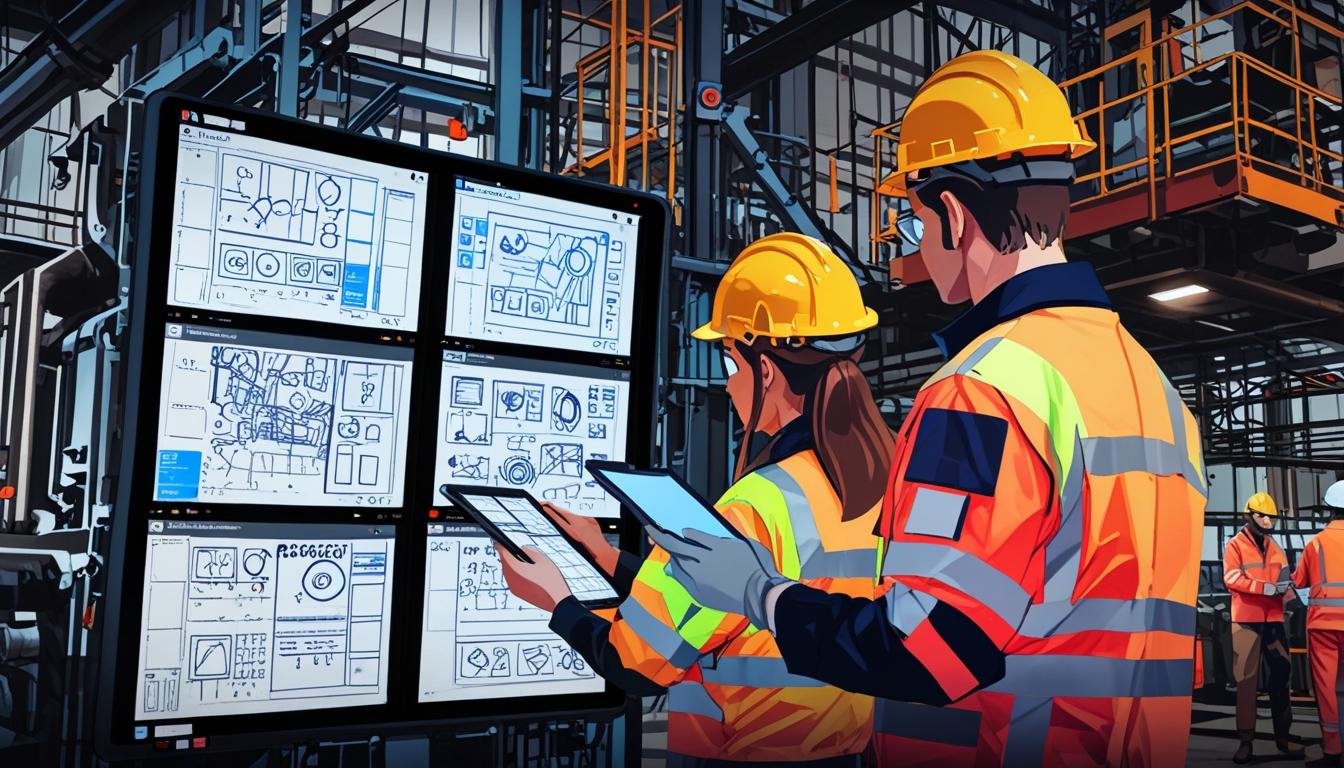
**London**: A recent study by Samp highlights critical deficiencies in technical documentation within industrial sites, with up to 30% found to be outdated. This leads to increased risks in operations, safety, and costs, emphasising the urgent need for improved data management solutions like Shared Reality technology.
A recent study conducted by Samp, a developer of AI-powered solutions for industrial sites, has revealed alarming gaps in technical documentation across modern industrial facilities, highlighting that as much as 30% of this crucial documentation may be outdated. This deficiency poses significant risks, such as increased accidents, inefficiencies, errors, and operational costs.
The analysis from Samp indicates that while industrial facilities typically modify around 2% of their assets annually, only half of these changes are accurately reflected in their documentation. This discrepancy leads to an annual accumulation of errors by approximately 1%. In facilities that are around 30 years old—a relatively young age in the industrial sector—this translates to an alarming 30% margin for error. Furthermore, as many industrial facilities tend to exceed this 30-year mark, the prevalence of inaccuracies is expected to be even more pronounced.

Insights from a poll of 24 European industrial site managers echoed these concerns, revealing a general lack of confidence regarding clean asset data. Although 14 managers provided information on the integrity of their technical asset data, only one reported having over 80% clean data. The remaining majority estimated their clean data at 60% or below.
Laurent Bourgouin, CEO of Samp, remarked, “We have always found between 20% and 30% errors or gaps in the technical documentation of industrial facilities. These findings reinforce the scale of the documentation challenge facing industrial sites, where poor data integrity contributes to inefficiencies and operational risks.”
The implications of these data gaps are multifold. They can lead to increased downtime as a consequence of inaccurate system maps, elevate maintenance costs stemming from outdated infrastructures, and present greater risks in terms of safety and compliance standards. Furthermore, reliance on outdated or legacy data hampers the ability to effectively upgrade and transform infrastructure.
Bourgouin further highlighted the feasibility of addressing these documentation challenges, explaining, “Many sites don’t grasp that these issues can be addressed over a weekend, with Shared Reality capturing on-site data and offering teams a comprehensive view of their facilities.” Shared Reality allows the integration of technical documentation with real-time site conditions, creating an interactive collaborative workspace for all stakeholders involved, including operators, maintenance personnel, engineers, and management.
This technology aims to provide a reliable and single source of truth for all teams, improving safety and operational efficiency. Bourgouin also noted that “Shared Reality empowers teams to execute work safely, efficiently, and with no surprises on site, ultimately closing the data gap that many sites struggle with. It is vital if industrial sites are to succeed in their digital transformation, save costs, and ensure safety.”
Industry reports further substantiate the urgency of this issue, revealing that unplanned downtime incurs costs of approximately $50 billion annually for manufacturers, with inaccuracies in data emerging as a significant contributing factor. According to Samp, facilities that have adopted the Shared Reality technology have realised considerable savings in maintenance through enhanced, data-driven operations.
Source: Noah Wire Services

