


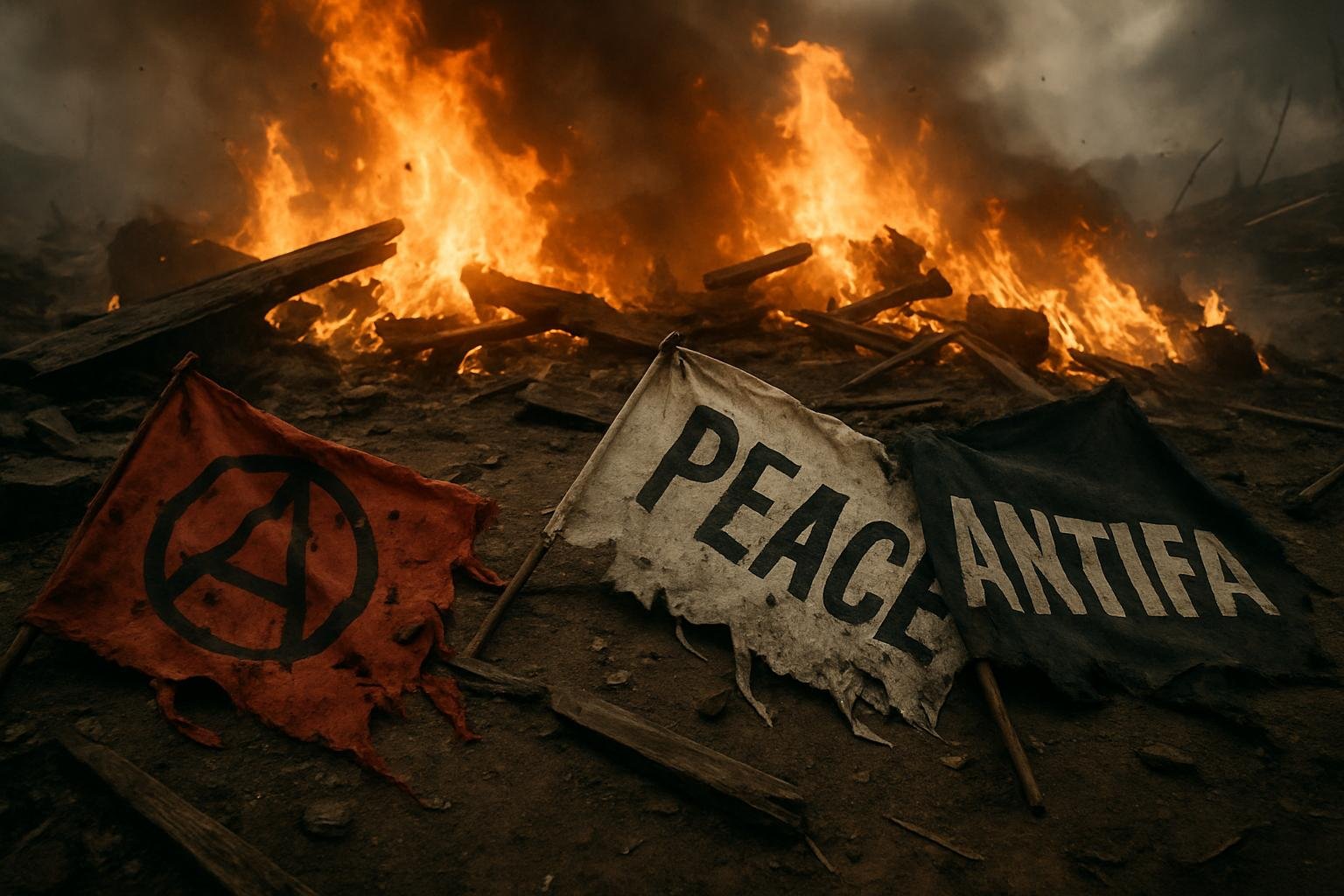
Controversial figures including Khymani James, members of DSA, and climate activists are increasingly endorsing violence and nihilism, raising concerns over the normalisation of political extremism following Charlie Kirk’s assassination and rising polarisation.

Khymani James, once a prominent figure leading the Gaza Solidarity Encampment at Columbia University, has reemerged in public discourse following the assassination of conservative commentator Charlie Kirk, which he openly celebrated on social media. James is no stranger to controversy. Early in 2024, a video surfaced in which he declared, “you’re lucky I’m not going around murdering Zionists,” alongside remarks asserting that “Zionists don’t deserve to live.” These incendiary statements led Columbia University to bar him from campus, and sparked widespread condemnation, including from the White House which labelled his rhetoric as “dangerous” and “appalling.” Despite the backlash, including legal disputes initiated by James against Columbia for allegedly misusing student conduct procedures, he has doubled down on his rhetoric, praising Kirk’s murder as a triumph and reinforcing a broader and deeply unsettling cultural shift within progressive circles.
This nihilistic vein—where political opponents are not merely criticised but demonised, and their removal by any means is not only condoned but celebrated—has gained troubling traction beyond isolated campus radicals. Aron Ali-McClory, cochairman of the Young Democratic Socialists of America (YDSA) and a member of the national leadership of the Democratic Socialists of America (DSA), publicly rejoiced at Kirk’s death in a tweet filled with dark humour, reflecting an alarming normalisation of violent rhetoric within influential progressive organisations. Megan Romer, another high-ranking DSA figure, echoed this sentiment, underscoring a culture in which empathy appears eclipsed by nihilistic glee. These sentiments are particularly disturbing when coming from individuals who shape political priorities and hold elected office, challenging the perception of the DSA as a mere fringe group.
Concurrently, climate activism circles contribute their own brand of extremism, fueled by apocalyptic messaging. Lucy Biggers, a former climate activist turned critic, has articulated the dangerous logic dominating climate discourse: if the world is truly on the brink of destruction, traditional moral boundaries dissolve, potentially justifying extreme actions against those deemed responsible for environmental degradation. This radicalisation is not hypothetical; real-world violence has already occurred, including an incident in Alabama where gunfire targeted the office of a climate change sceptic. Such events indicate how eschatological fear can translate into aggression.
Academic leaders have also entered this fray with controversial rhetoric. Michael Mann, a senior academic at the University of Pennsylvania and a director within the university’s sustainability and media centre, has used inflammatory language against conservative figures, including Kirk. Mann’s history includes calls for militias and questionable conduct in legal settings, raising concerns about the appropriateness of such figures shaping public discourse from prestigious institutions. Mann’s vitriolic tweets after Kirk’s assassination further exemplify the hostile environment cultivated in some academic and activist spaces.
Underlying these developments is a profound ideological shift: a collective nihilism that underpins various strands of progressive activism—from campus protests to socialist political strategy and climate alarmism. This nihilism frames political opponents as existential enemies — “Zionists” accused of genocide, conservatives branded as fascists, climate sceptics as planet destroyers — thereby crossing the line from debate to dehumanisation and incitement. The implications for democratic discourse are severe: when political opposition is equated with moral evil, violence becomes not only thinkable but valorised.
The indoctrination of younger generations, through educational institutions, activist organisations, and social media, perpetuates this binary worldview. It cultivates an environment in which dissent is betrayal and enemies must be violently removed. Khymani James’ rhetoric and subsequent actions, once dismissed by some as youthful indiscretion or hyperbole, now force a sober reassessment of the real-world consequences of such extremism.
This moment demands urgent reflection from political leaders, educators, and media alike. The mainstreaming of nihilistic rhetoric and the celebration of violence represent a grave threat to democratic norms and civil society. Without decisive rejection from all sides of the political spectrum, society risks nurturing further radicalisation. The assassination of Charlie Kirk should serve as a grave warning that words shape actions—and that unchecked, incendiary discourse can precipitate tragic outcomes. The question remains: will those with influence draw a firm line condemning political violence, or will nihilism be allowed to define an era?
Source: Noah Wire Services

